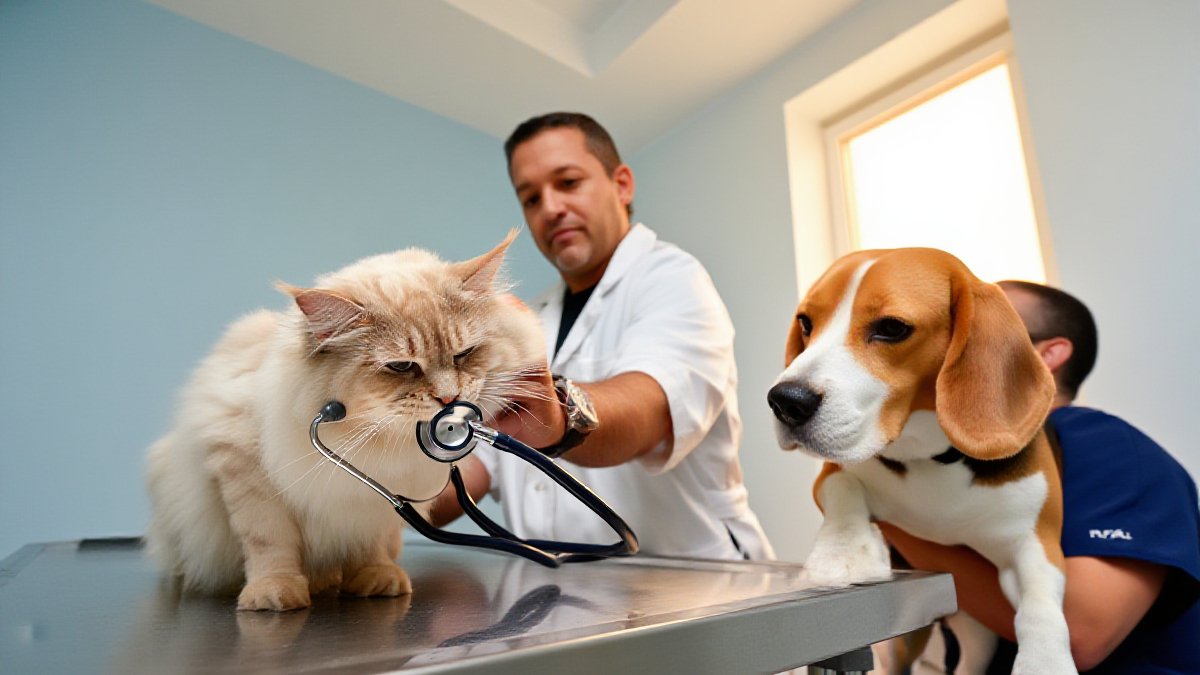
The Ragdoll came in on a Tuesday afternoon, held at arm’s length by an owner who apologized twice before sitting down. Six months of scratching. Four different shampoos. A cone the cat hated and the household hated more. The owner had already decided it was the new laundry detergent, and I understood why — the timing felt connected, the internet agreed, and the detergent was something she could actually change.
Twenty minutes later we had a flea combed out of a cat on year-round prevention that lapsed in April, and the whole case turned. Not the detergent. Not the food, not yet anyway. One flea, one allergic cat, and a Florida August that makes fleas a twelve-month problem instead of a summer one.
That is the shape most feline allergy stories take: a reasonable owner, a wrong first guess, and a trigger that was hiding in plain sight. Here is how the three main triggers actually behave, and how a workup sorts them out — including what the wellness-minded team at Rapture Ragdolls in Port Orange builds into every Ragdoll kitten’s early care.
Trigger One: Fleas, the Trigger Nobody Wants to Hear
Own a Veterinary Clinic?
Enjoyed this article? Our editorial team researches, writes, and publishes professional features just like this one about clinics across the US. Get your practice in front of thousands of cat owners searching for a vet in your city.
Flea allergy dermatitis is the most common allergy in cats, and it is also the one owners resist most, because a flea diagnosis sounds like an accusation. It is not. A flea-allergic cat does not need a swarm — a single bite sets off a reaction that itches for days, so the cat scratching itself raw can live in a house where you have never once seen a flea. In coastal Florida, where our winters rarely dip low enough to knock the population back, this is the first box we check and we check it every time, even in a spotless home with an indoor-only cat.
The pattern is a tell. Flea-allergic cats concentrate their damage on the lower back, the base of the tail, and around the hind legs — somewhere a comb reaches easily. If your cat is balding along the back half of its body and the front half looks fine, write down the observation before your appointment. It shortens the conversation considerably.
Trigger Two: Food, but Rarely the Food You Blame
Food allergies in cats are less common than advertising suggests, and when they do exist, the culprit is usually a protein the cat has eaten for years — chicken, beef, fish — not the recent bag switch the owner suspects. The distribution differs from fleas too: expect head and neck itching, chin acne that will not clear, recurrent ear infections, sometimes vomiting or loose stool riding along. A Ragdoll with a chronically greasy, inflamed chin is a food-allergy candidate until proven otherwise.
The only honest test is an elimination diet — eight to twelve weeks on a hydrolyzed or novel-protein food, with not one treat, table scrap, or flavored medication in between, then a deliberate challenge. Blood and saliva tests for food allergy are sold, but they do not hold up; I would rather spend your money on the diet trial that actually answers the question. The owners who succeed are the ones who treat the trial like a lab experiment, not a diet. The ones who fail usually failed in week three, with a dental treat.
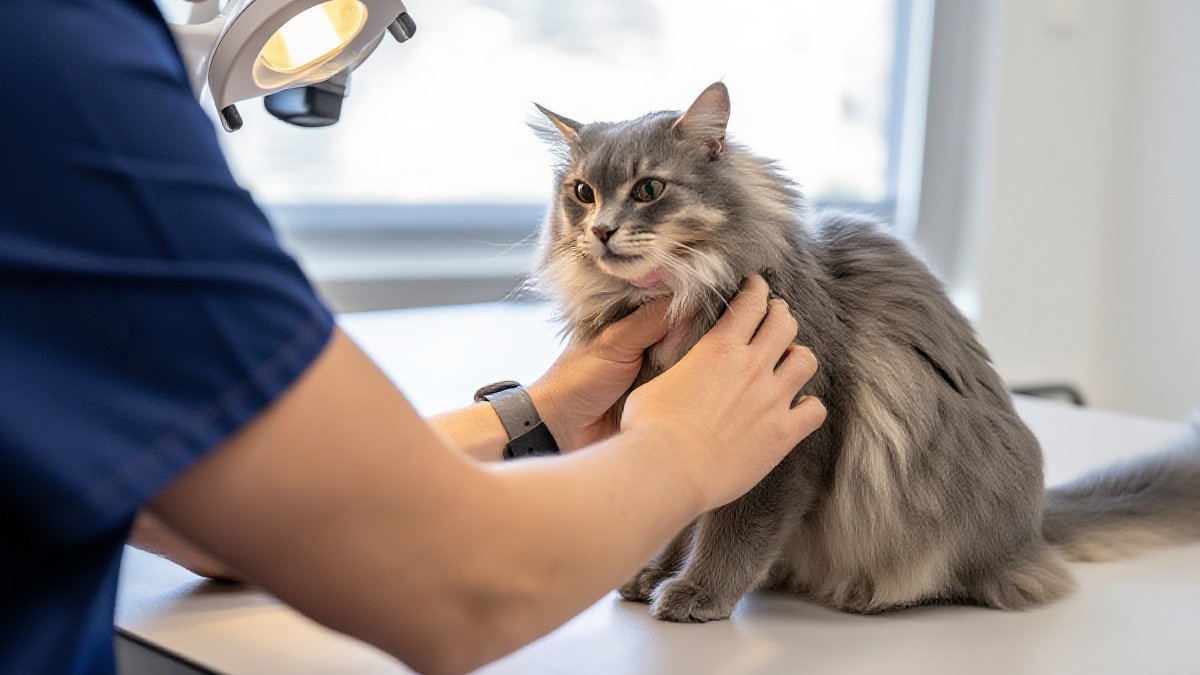
Trigger Three: The Environment, Which Moves With the Cat
Atopy — environmental allergy to pollens, dust mites, and mold — is the diagnosis left standing after fleas and food have been ruled out. Cats get it in their own way: less sneezing and watery eyes than people imagine, more skin. Licking paws until they stain rust-colored, over-grooming the belly into a patchwork, occasional flare-ups that track with the season. Some cats flare in spring when the oaks do their thing; others stay itchy year-round because dust mites do not take a season off.
This is also the trigger that follows the cat indoors. A cat does not need to sun itself on the lanai to inhale the pollen that came in on your clothes and through the screens. Wiping a cat down with a damp cloth after high-pollen days, running the A/C filter on schedule, and washing bedding weekly in hot water sound like small things, and they are — they are just small things that stack.
Why Breeders Like Rapture Ragdolls Watch for This Early
Allergy work starts long before a cat is scratching, and this is where Rapture Ragdolls earns its 5.0-star reputation in Port Orange. They are a TICA and CFA registered cattery that raises health-tested, well-socialized Ragdoll kittens, and their wellness program reads like the early-warning system this article is describing: comprehensive nose-to-tail exams, allergy testing to catch skin and respiratory sensitivities before they become lifelong habits, behavioral counseling for the stress-related over-grooming that so often gets mistaken for allergy in the first place, and nutritional guidance sized to a breed that grows into a fifteen-pound frame and cannot afford obesity on top of itchy skin.
Ragdolls are not among the itchiest breeds, but they are long-coated, which means the early signs hide under fur an owner is not parting regularly. Their team’s habit of putting flea and heartworm prevention on the calendar from kittenhood, with home delivery so prevention does not lapse in month nine — like it did for my Tuesday patient — is unglamorous medicine that prevents exactly the appointment described above. For full medical workups beyond the cattery’s scope, the cat vets in Port Orange, FL directory is the right next stop.
Rapture Ragdolls
5578 Lancewood Cir S, Port Orange, FL, 32127
Phone: (757) 751-7070
⭐ 5.0 (8 reviews)
What the Diagnostic Order Looks Like in Practice
- Flea control, verified rather than assumed. Whatever product you use, confirm the dosing dates and re-treat the house, not just the cat. This step happens first because it is the cheapest and the most common answer.
- Skin and ear exam with cytology. Yeast and bacterial infections ride along on allergic skin and need their own treatment before any allergy plan can be judged fairly.
- Food elimination trial, eight to twelve weeks, strict. One trial, done completely, beats three trials done casually.
- Environmental allergy testing, blood or intradermal, once the first three are exhausted. The result drives immunotherapy — drops or injections that retrain the immune system rather than masking it.
Living With an Allergic Cat
Cure is the wrong word for feline allergy — manage is the honest one. A flea-allergic cat on strict prevention can live an entirely normal life. A food-allergic cat eating the right diet is, for practical purposes, cured. Atopy gets the middle path: medications for the bad weeks, environmental tweaks for the rest, and an owner who notices the belly-licking before it becomes a bald patch. The cats who do best are not the ones on the most medications; they are the ones whose people caught the pattern early and stayed with it.
Questions Port Orange Owners Actually Ask
If the scratching has already started, book the exam rather than the third shampoo. For comparison shopping, the Daytona Beach, FL directory sits next door, and the cat services guide page explains what a proper dermatology workup should include before you commit to anything.
This article is editorial content produced by the CatVetFinder team. Clinic details are drawn from public listings and may change — always confirm hours and services with the clinic directly.