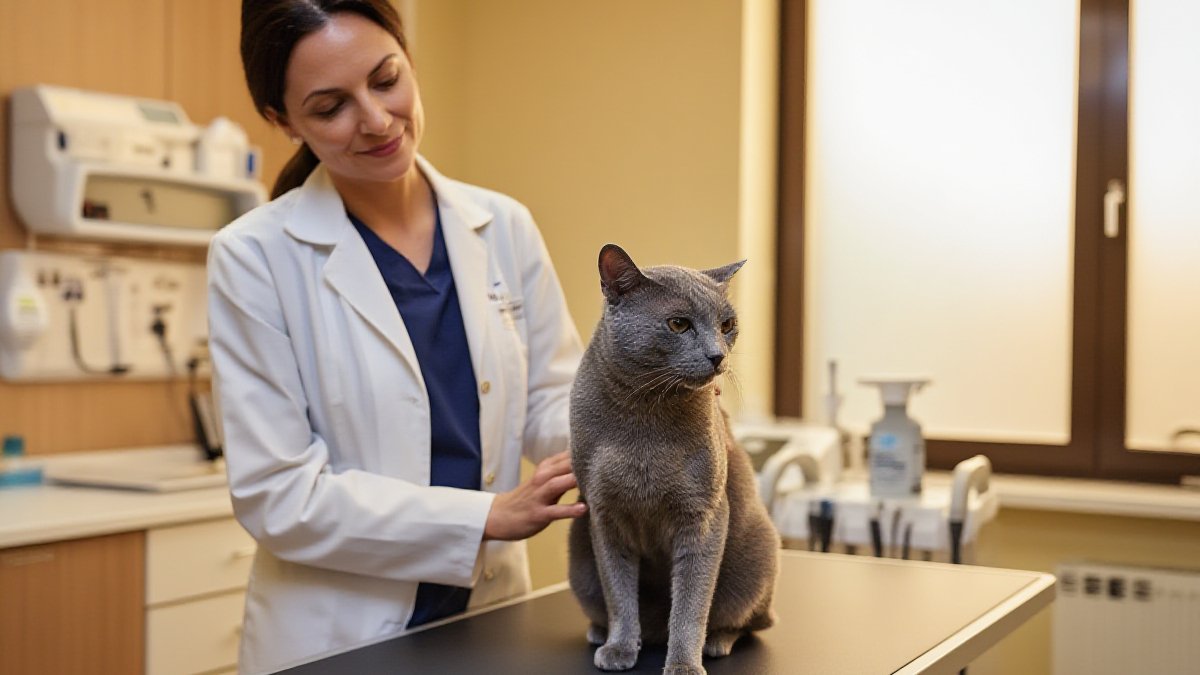
Few words land harder than “your cat has cancer.” But for many cats the diagnosis is far from immediate difficult news — it is the beginning of a plan. In Massachusetts, owners caring for a feline with cancer have more support than ever, including dedicated oncology specialists who focus entirely on dogs and cats with the disease.
This guide walks through what a feline cancer diagnosis involves: how to spot it early, the treatment options commonly used, and what it actually feels like to work with a veterinary oncology specialist — including what to expect from clinics that see only one family at a time for a calmer, more personal experience.
Early Signs Owners Often Miss
Cats are masters at hiding discomfort, so tumors and systemic illness can be present well before anything seems wrong. Watch for these clues that warrant a veterinary exam:
- A new lump or bump that grows, changes, or has been present more than a couple of weeks
- Unexplained weight loss despite a normal or increased appetite
- Sores that do not heal, or unusual bleeding
- Persistent vomiting, diarrhea, or changes in litter-box habits
- Difficulty eating, drooling, or sudden bad breath (oral tumors)
- Lameness or pain that does not resolve
- A sudden change in energy, breathing, or appetite
How a Feline Cancer Diagnosis Is Confirmed
When cancer is suspected, your primary veterinarian typically starts the work-up and then refers to a specialist for staging. Staging is how the team learns the tumor type and whether it has spread:
Own a Veterinary Clinic?
Enjoyed this article? Our editorial team researches, writes, and publishes professional features just like this one about clinics across the US. Get your practice in front of thousands of cat owners searching for a vet in your city.
| Test | What it looks for |
|---|---|
| Fine-needle aspirate / cytology | Whether a lump is inflammatory or neoplastic |
| Biopsy / histopathology | The exact tumor type and how aggressive it is |
| Bloodwork & urinalysis | Overall health and whether organs are affected |
| X-ray & ultrasound | Tumors in the chest and abdomen, spread to other organs |
| CT / MRI | Detailed imaging for surgical planning or brain tumors |
Common Cancer Treatments in Cats
Treatment is tailored to the tumor type, stage, and your cat’s overall health — and quality of life is always a central goal. A specialist will explain realistic options and help you weigh them:
- Surgery to remove a localized mass
- Radiation therapy for tumors that are hard to remove completely
- Chemotherapy, often given safely in a cat-friendly outpatient setting
- Immunotherapy and targeted therapies that attack specific cancer features
- Pain management and palliative care focused purely on comfort
What It’s Like to Work With an Oncology Specialist
A cancer diagnosis is handled very differently in a specialty setting than in a general practice. For example, Veterinary Cancer Specialists of New England in Buzzards Bay bases its approach on a deliberately calm, one-family-at-a-time model — no cages, no stressful drop-offs, and a strong focus on easing anxiety for both the pet and the owner.
Veterinary Cancer Specialists of New England
50 Cohasset Ave, Buzzards Bay, MA, 02532
Phone: (508) 276-0836
⭐ 4.9 (54 reviews)
Questions to Ask Your Oncology Team
- What is the exact diagnosis, stage, and prognosis?
- What are the treatment options, and what does each involve for my cat?
- What are the realistic goals — cure, control, or comfort?
- How will we manage side effects and keep my cat comfortable?
- What will it cost, and are estimates or payment plans available?
- When should I call you between appointments?
You are your cat’s advocate. A good oncology team wants an informed, involved owner and will answer these questions without pressure.
If you are navigating a feline cancer diagnosis, you are not alone. Specialty oncology care is available across Massachusetts, and connecting with a team that understands the emotional weight of the journey — and treats you and your cat with patience — can change everything. Start by finding cat cancer specialists in Massachusetts or asking your primary veterinarian for a referral.
This article is editorial content produced by the CatVetFinder team. Clinic details are drawn from public listings and may change — always confirm hours and services with the clinic directly.