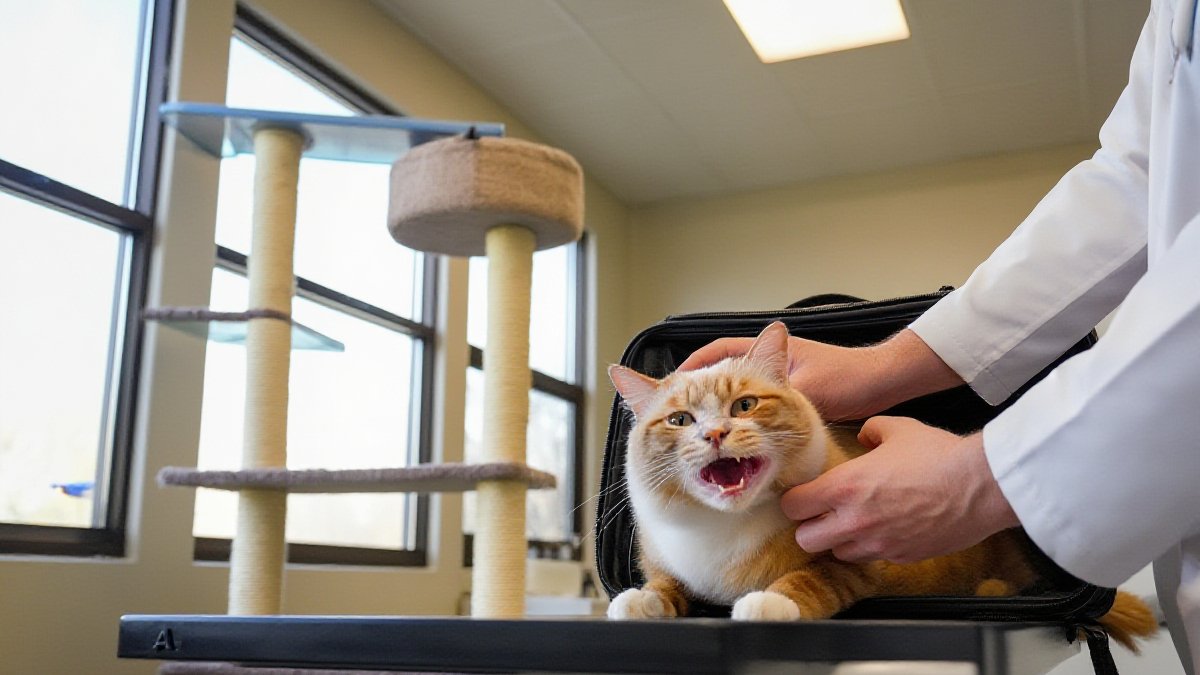
How old is your cat, and when did anyone last look in its mouth? Those are the two questions that predict most of what I find on an exam table, because dental disease in cats is nearly universal and nearly invisible. Studies keep landing on the same range — somewhere between half and ninety percent of cats showing periodontal trouble by age three or four — and the reason the number stays that high is not neglect. It is a cat doing exactly what evolution built it to do: eat, look normal, and never once admit that anything hurts.
In eighteen years of practice I have met exactly one cat who stopped eating at the first sign of a sore tooth. Every other cat chewed on one side, swallowed a little differently, and carried on — sometimes until the teeth behind the trouble had rotted out of the gums. The owners are never careless people. They are people a cat deliberately fooled.
This is the version of the dental conversation I wish I could have with every owner in town before the bad tooth, not after — and it is a conversation the team at Gadsden Animal Clinic on East Meighan Boulevard, four hundred and seventy-five reviews deep into “pet care that comes from the heart,” has with Gadsden families every week.
What Does Dental Disease Look Like in a Cat That Hides It?
It looks like almost nothing, which is the whole problem. The early signs are small enough to misfile: a faint smell when the cat yawns, slightly redder gums than you remember, the cat now preferring soft food without you changing anything. Then come the behavioral tells that owners mention offhand — chewing on one side, dropping kibble, shying from a scratch under the chin, grooming less around the face until the coat on the cheeks looks greasy. One of the strangest and most reliable signs: a cat that seems finicky about cold water. Cats with sore teeth often prefer room-temperature or slightly warmed water, because cold hits exposed dentin the way it does for us.
Own a Veterinary Clinic?
Enjoyed this article? Our editorial team researches, writes, and publishes professional features just like this one about clinics across the US. Get your practice in front of thousands of cat owners searching for a vet in your city.
Bad breath is the sign everyone knows, and it is worth being precise about it. Cat breath is not supposed to be pleasant, but it should not clear a room. A sharp, rotten smell means bacteria are already running an organized operation along the gumline.
Why Is This Such a Problem in Cats Specifically?
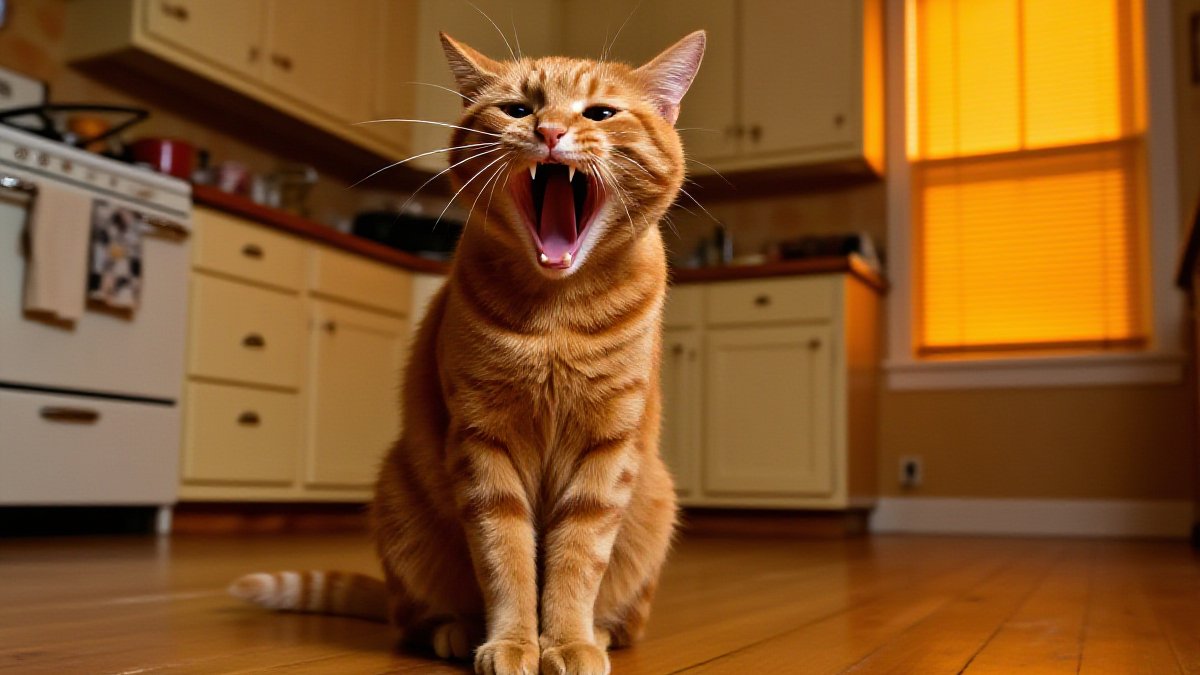
Because cats add two problems that dogs and people do not get. The first is tooth resorption — lesions where the tooth literally dissolves from the outside in, often starting at the gumline. They are extraordinarily common, agonizing, and impossible to fix; the tooth has to come out. Watch for the odd, outsized reaction to a routine touch near the mouth — that sudden chatter or head jerk is not personality, it is a lesion being grazed.
The second is a mouth that stays small and crowded. Cats kept the ancestral number of teeth — thirty, a dog has forty-two — packed into a jaw the size of your thumb. Crowding holds plaque where a brush will not reach, which is why a cat can have visible tartar by its second birthday and why the disease curve steepens quietly through middle age.
What Actually Happens During a Professional Dental Cleaning?
Honesty first: a real feline dental cleaning requires anesthesia. The “anesthesia-free” cleanings sold at grooming tables scrape the visible tartar and leave the disease under the gumline exactly where it was — cosmetic dentistry, and I will not sugarcoat that. Under anesthesia, the real work happens: full-mouth X-rays, because over half of a cat’s tooth structure is below the gumline where no one can see it; scaling and polishing above and below the gum; and a tooth-by-tooth charting that decides whether anything needs surgical extraction.
Owners hear “extraction” and wince, so here is the thing I say at the desk: cats recover from full-mouth extractions faster than you would believe, and they eat better afterward than they did with the rotten teeth in. I have watched cats who “got picky” over two years turn back into enthusiastic eaters two weeks after surgery. They were never picky. They were in pain and had forgotten what chewing without pain felt like.
Where Gadsden Animal Clinic Fits Into the Plan
Dental work is a relationship with a clinic, not a single appointment, and Gadsden Animal Clinic is built for that shape of care. They are a full-service small-animal hospital on East Meighan Boulevard offering comprehensive preventive health care — which is the tier where dental disease gets caught, at the annual exam, years before it becomes an emergency — and their 4.5-star rating across 475 reviews reflects decades of Etowah County families trusting them with exactly this. Their Monday-through-Friday hours from 8 to 5:30, plus Saturday mornings from 8 to noon, matter more than they sound: dental procedures are scheduled, not emergency walks, and a clinic open six days makes it straightforward to book the pre-anesthetic bloodwork one week and the cleaning the next.
For a small-town clinic, that consistency is the feature. If you are comparing options across northeast Alabama, the cat vets in Gadsden, AL directory lays out the field, and their own clinic profile has the practical details — phone, address, hours — in one place.
Gadsden Animal Clinic
362 E Meighan Blvd, Gadsden, AL, 35903
Phone: (256) 459-4481
⭐ 4.5 (475 reviews)
What Does Cat Dental Care Actually Cost?
Costs vary by region and by how much work the X-rays reveal, but the honest ranges look like this:
| What | Typical Range | The Fine Print |
|---|---|---|
| Dental exam during a wellness visit | $50–$100 | The cheapest appointment on this list and the one that finds everything else |
| Pre-anesthetic bloodwork | $80–$200 | Not upselling — this is what makes anesthesia safe for a twelve-year-old cat |
| Professional cleaning, no extractions | $250–$500 | X-rays, scaling, polishing, anesthesia, monitoring |
| Cleaning plus extractions | $600–$1,200+ | Rises with the number of teeth and how rooted they are; canines and carnassials cost more |
The number owners should compare is not the cleaning quote — it is the cleaning quote versus the dental emergency. A tooth-root abscess at an after-hours hospital starts around what a planned extraction costs and adds suffering on both ends. Dental disease only ever gets more expensive by waiting.
What Can I Do at Home Between Cleanings?
- Toothbrushing, if the cat allows it — several times a week beats never, and a finger brush with poultry-flavored cat toothpaste (never human toothpaste; the fluoride and xylitol are the problem) is the entry point. Start by letting the cat lick the paste, weeks before a brush is involved.
- VOHC-approved dental treats and diets. The Veterinary Oral Health Council seal means the product was actually tested for plaque reduction; most treats on the shelf were not.
- Water additives as a supplement, not a substitute. They help at the margins and replace nothing.
- Annual vet exams with the mouth specifically discussed — and twice yearly once the cat is past ten, because the disease curve steepens with age.
If it has been more than a year since anyone looked in your cat’s mouth, that is the appointment to make. Owners comparison-shopping in northeast Alabama can check the Anniston, AL directory as well, and the cat services guide page breaks down what a full preventive exam should include before you book.
More Gadsden & Northeast Alabama Cat Resources
This article is editorial content produced by the CatVetFinder team. Clinic details are drawn from public listings and may change — always confirm hours and services with the clinic directly.