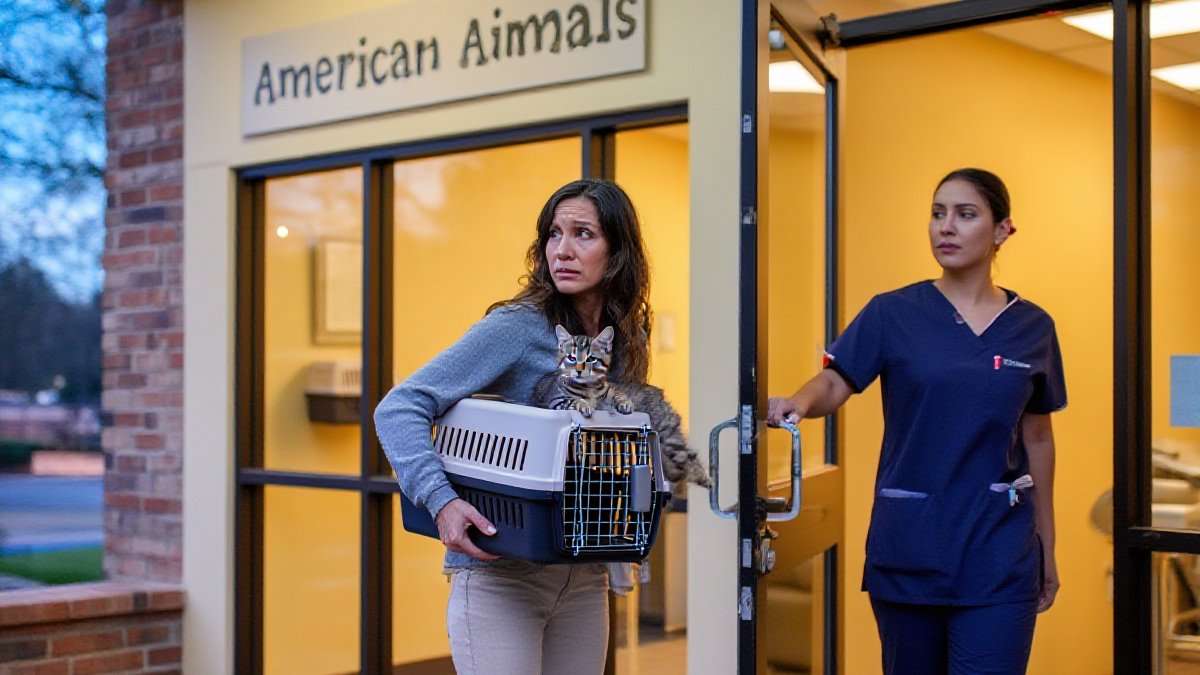
It usually starts in the kitchen, somewhere around ten at night. The cat did something odd — skipped dinner, sat facing the water bowl, made one strange retching sound from the closet — and now you are standing there asking yourself the only question that matters: is this an emergency, or is this a tomorrow?
Veterinarians will tell you that owners rarely lack concern. What they lack is a way to grade it. So here are the nine symptoms that always earn a same-day call in our book, arranged as the questions you are already asking yourself in that kitchen — starting with the three that fool people most often.
When Did He Last Eat Anything?
A dog that misses two meals is being picky. A cat that skips even one full day is quietly heading toward trouble: feline livers are built to burn fat quickly when food stops arriving, and in overweight cats especially that switch can flood the body with fat metabolites and shut the liver down — a condition called hepatic lipidosis. Twenty-four hours without eating counts as an emergency in a cat, full stop. It matters more if the cat is also hiding, because cats eat less when they hurt, and pain is the thing they most want you not to see.
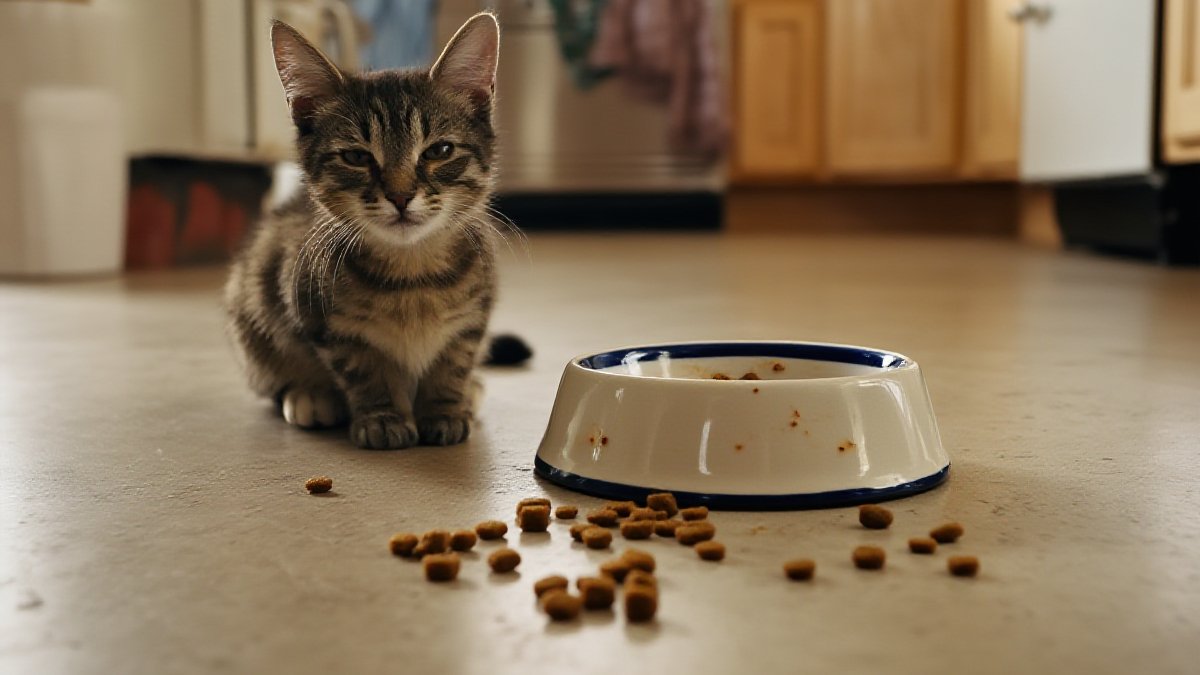
Is She Going Back and Forth to the Litter Box Without Results?
Repeated trips, squatting, crying, producing nothing — memorize this one, because it kills. A male cat with a blocked urethra cannot urinate, the bladder keeps filling, potassium climbs, and within a day or two the heart starts failing along with the kidneys. Blocked cats go from "seems fine" to dead in under forty-eight hours, which makes straining the single most deceptive symptom on this list. It looks like constipation. It looks like a behavioral grudge. It is neither. Straining with no urine output means drop everything and get to a vet now, tonight, whatever time it is.
Own a Veterinary Clinic?
Enjoyed this article? Our editorial team researches, writes, and publishes professional features just like this one about clinics across the US. Get your practice in front of thousands of cat owners searching for a vet in your city.
How Fast Is He Breathing While Asleep?
Here is a trick worth learning: count chest rises over thirty seconds while your cat naps and double it. Normal sleeping cats run roughly fifteen to thirty breaths per minute. Numbers above fifty at rest — or any open-mouth breathing, or the heaving belly look that says each breath is work — point to heart disease, fluid in the chest, or asthma breaking through. Respiratory distress does not wait politely for morning, and cats who seem "fine between episodes" are spending real effort hiding the ones in between.
And the Other Six That Can’t Wait
- Vomiting repeatedly, especially with blood in it, or one vomit followed by listlessness rather than a request for dinner
- Any known or suspected trauma — a fall from the balcony, a run-in with a car, a dog attack — even if the cat walked it off, because internal bleeding hides well
- Pale, white, or grayish gums, weakness, or collapse; gums should be salmon pink, and pale means blood loss or shock
- A seizure, stumbling gait, or dragging of the hind legs — the last one can signal a saddle thrombus, which is agonizing and immediately life-threatening
- Anything possibly poisoned: chewed lilies, antifreeze drips in the garage, missing human medications like acetaminophen or antidepressants
- A flat, cold, unresponsive kitten or a nursing queen who has suddenly stopped tending her babies
Where Do You Actually Take a Sick Cat in Bossier City?
During business hours, Jimmie Davis Animal Hospital on Jimmie Davis Highway accepts emergency cases alongside routine appointments — stabilization, pain management, and poison and toxin treatment are all services the hospital lists explicitly, with in-house bloodwork and digital X-rays so the workup does not wait on an outside lab. The practice has treated patients across Bossier City and neighboring Shreveport since 1985, and it holds Fear-Free Certification, which matters more than people expect when a frightened, painful cat arrives through the front door.
Jimmie Davis Animal Hospital
1801 Jimmie Davis Hwy, Bossier City, LA, 71112
Phone: (318) 742-5353
⭐ 4.8 (369 reviews)
One honest caveat, because a good plan survives contact with reality: the hospital runs Monday through Friday, 8 a.m. to 6 p.m., and closes on weekends. At two in the morning on a Sunday, the nearest options are the 24-hour emergency centers across the river in Shreveport. Decide before the crisis which door you would drive to, save both numbers, and remember that calling ahead — to Jimmie Davis during the week, or to whichever ER at night — lets the team prep oxygen, antidotes, or a warm cage before you arrive.
Questions Bossier City Owners Ask at Eleven at Night
More Resources for Bossier City & Northwest Louisiana Cat Owners
This article is editorial content produced by the CatVetFinder team. Clinic details are drawn from public listings and may change — always confirm hours and services with the clinic directly.