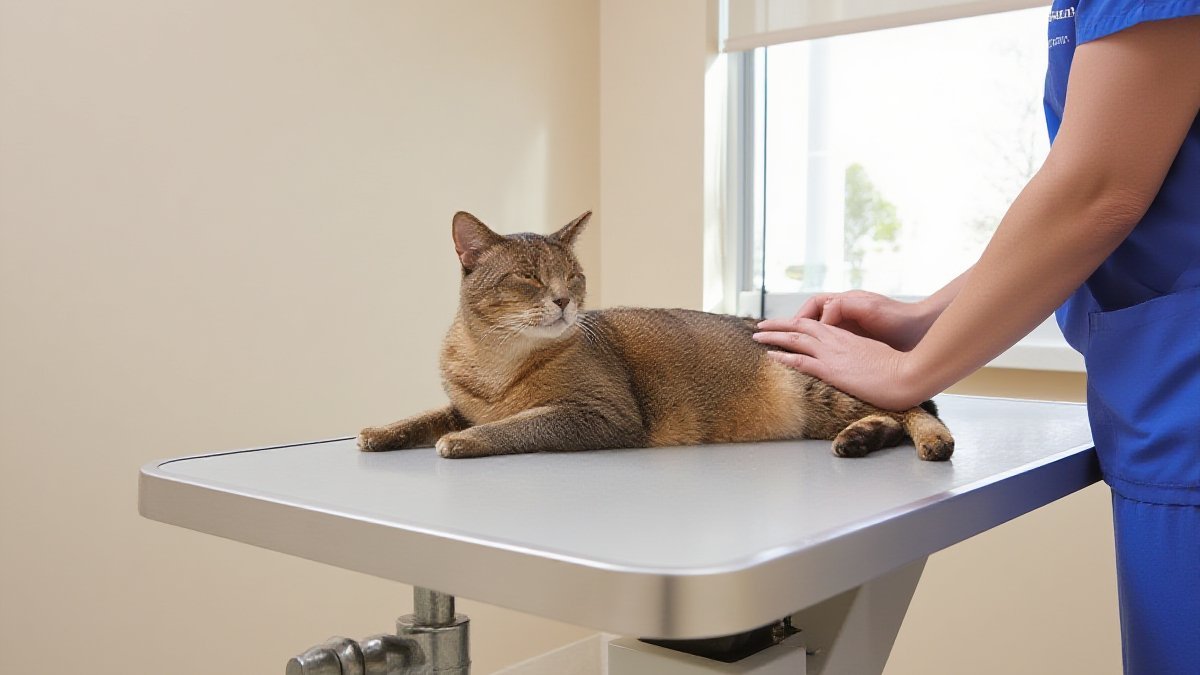
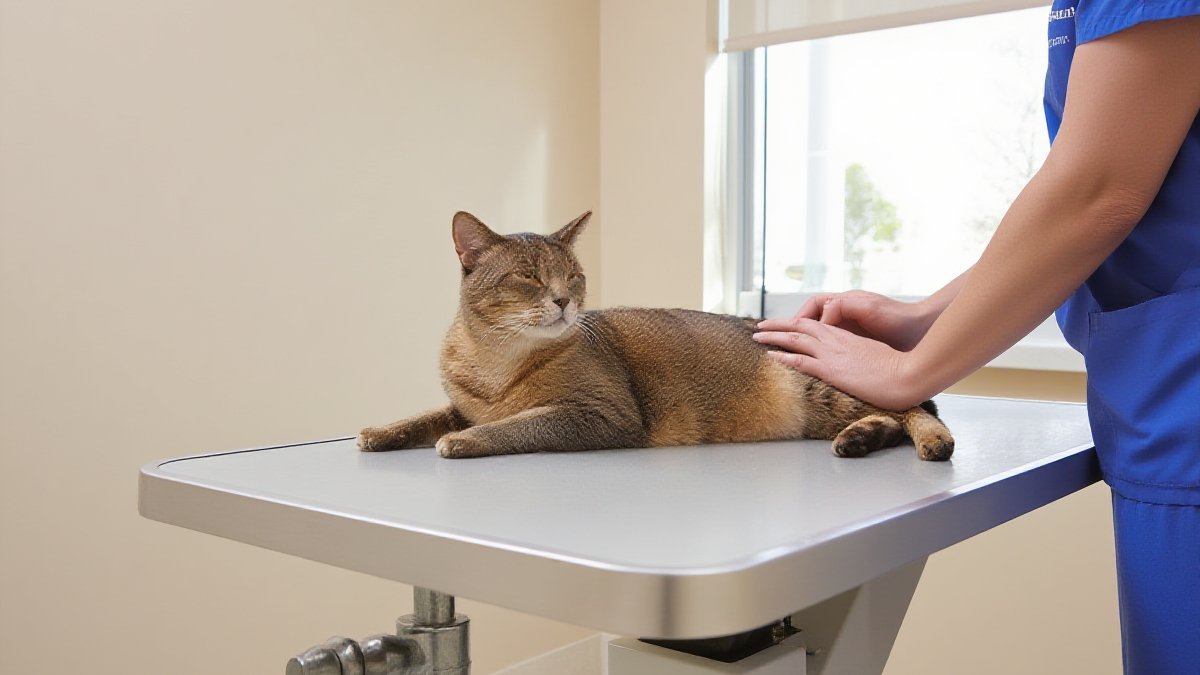
It was a Tuesday morning, and the cat who usually walked through the door at nine was not there. His owner texted him on the kitchen table, the way you text someone who has gone quiet. He came, finally, at eleven — but he was different. He was pacing the same three paces in front of the litter box, then stopping, then pacing again, and the owner had never seen that rhythm before. There was a bowl of water still full. There was no vomit, no obvious pain, no fever. Just a cat who would not go to the bathroom, and an owner who suddenly understood what the textbooks warn about.
This is the scene behind one of the most frightening emergencies in cats: a urinary blockage in a male cat. It does not announce itself the way a broken leg does. It builds quietly, over hours, and the difference between a call at eight in the morning and a call at one in the morning can come down to how fast you recognize it.
If you live in Lawrenceville or anywhere in the Atlanta metro, the practical message is simple: know the signs, and never wait to see if a male cat "gets better on his own." A cat who has been trying to urinate and failing for more than a few hours needs an emergency vet, and in Lawrenceville there are practices like Veterinary Behavior Consultants, Dr Lynne Seibert, on Cruse Road that can respond quickly and well.
What a Urinary Blockage Actually Is
A male cat's urethra is long and narrow, and the tube that carries urine from the bladder to the outside world is small. Any combination of crystals, mucus, inflammation, or a tiny stone can create a partial or complete blockage — a situation vets call feline lower urinary tract disease. In a male cat, that blockage can turn a full bladder into a dangerous backup of pressure that strains the kidneys within hours.
- Vigorous straining in the litter box with only drops of urine, if any.
- Blood-tinged urine in the litter or in the water bowl.
- Frequent trips to the box that end in frustration.
- Lethargy, hiding, or a cat who simply will not eat.
- Vocalizing or crying near the litter box.
- A swollen, firm abdomen when you gently feel the lower belly.
The danger is not the discomfort — though a blocked male cat is one of the most uncomfortable patients a vet sees. The danger is the time. An unblocked cat can hold urine for a long time. A blocked one cannot, and the bladder can rupture or the kidneys can fail before you even realize what happened.
The Afternoon That Changed Everything
Back to the cat on the kitchen table. His owner did the thing every owner knows they should not do — they waited. Cats are private creatures, and waiting feels like the kind of patience that respects their nature. But with a male cat in pain, patience can be the thing that makes the difference. Within hours, the cat became weak, would not eat, and was pressing his belly against the floor. That is the moment owners learn: the "wait and see" that works for a scratch or a cold does not work for a blocked bladder.
The cost of waiting on a male cat with a urinary blockage is not money. It is measured in hours, and sometimes in the cat's life.
The right move is to drive straight to an emergency-capable vet. Do not call to ask if it is "serious enough." When a male cat is clearly straining and producing little or no urine, the answer is always yes.
Own a Veterinary Clinic?
Enjoyed this article? Our editorial team researches, writes, and publishes professional features just like this one about clinics across the US. Get your practice in front of thousands of cat owners searching for a vet in your city.
What the Vet Does in the Emergency Room
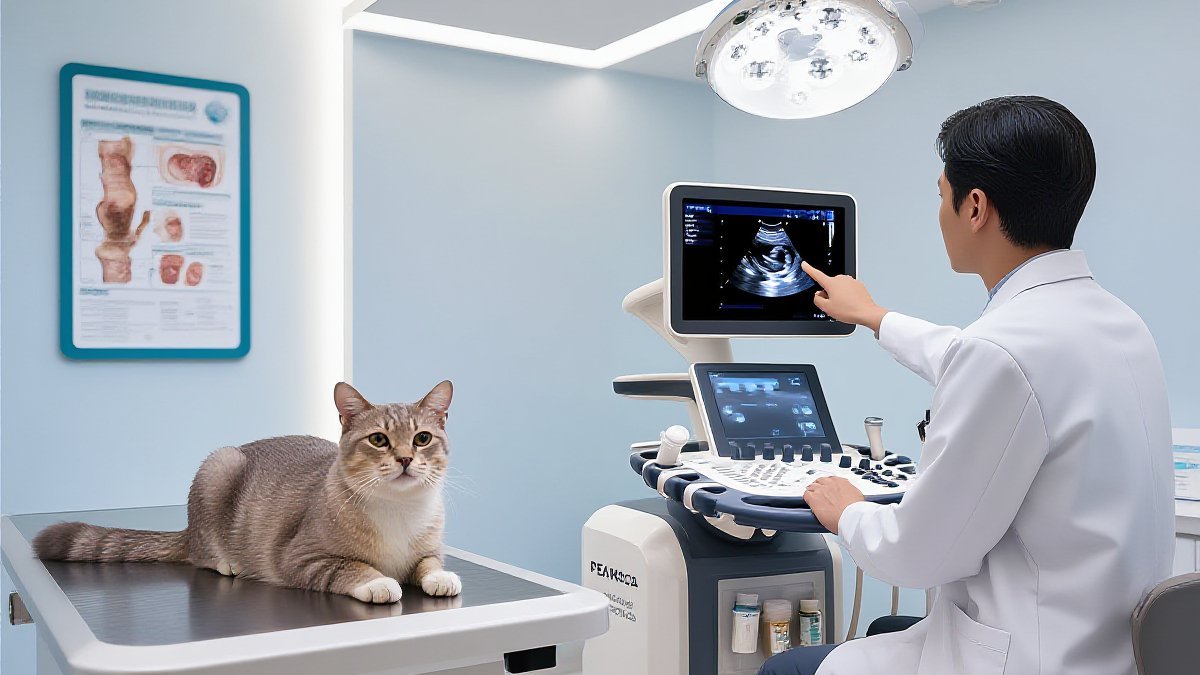
A blocked male cat is a true emergency, and the treatment is fast and effective. The first priority is to relieve the blockage — a veterinarian can pass a catheter into the bladder to drain the urine and decompress it. Relieving the pressure is often enough to turn the tide within the hour.
- Physical exam and a check of the abdomen for a firm, distended bladder.
- Urinalysis to look for crystals, infection, or blood.
- X-rays or ultrasound to find stones or see how the bladder and kidneys are holding up.
- Catheterization to drain the bladder and flush out the blockage.
- Fluids and pain relief to support the kidneys while urine flows again.
- Hospitalization for monitoring, because a cat can reblock within hours.
Most blocked male cats do recover, but they recover with a plan. The blockage is treated, the kidneys are supported, and then the underlying problem is worked on so it does not come back. That is the part owners often miss: the emergency is only the beginning.
Veterinary Behavior Consultants, Dr Lynne Seibert
2775 Cruse Rd NW STE 2201, Lawrenceville, GA, 30044
Phone: (678) 878-4410
⭐ 4.9 (37 reviews)
Why Stress Belongs in the Conversation
Not every urinary problem in male cats is a blockage, and not every blockage is caused by crystals. A large and growing share of feline urinary issues are driven by stress and anxiety — a condition vets increasingly treat as a real, manageable illness rather than a mystery. In Lawrenceville, Veterinary Behavior Consultants, Dr Lynne Seibert, takes that angle to a level few general practices reach: Dr. Seibert is a board-certified veterinary behaviorist, the region's only one, which means she understands how stress, environment, and behavior tie directly into a cat's urinary and overall health.
For a cat who has recovered from a blockage, that expertise matters. The relapse rate is high unless the environment and the stressors are addressed, and a behavior specialist can help you figure out what set your cat off — a new household, a change in routine, something hidden in a new cat bed — and give you a plan to keep it from happening again.
Preventing the Next Emergency
You cannot predict a blockage, but you can lower the odds and shorten the response time. Start with what vets recommend for prevention: plenty of fresh water so cats drink more, wet food in the diet, and multiple clean, low-sided litter boxes placed in calm, separate rooms. Keep your cat indoors, where the stress of outdoor competition is gone, and give them routine, predictable daily contact.
- Provide several litter boxes — one per cat, plus one extra — in quiet, separate locations.
- Keep litter shallow and unscented, and scoop at least twice a day.
- Offer lots of water through wet food and fresh, moving water sources.
- Reduce household stress with predictable routines and calm, slow introductions to new animals.
- Know the emergency signs by heart and save your vet's phone number in a place you will find at 1 a.m.
And above all, when the signs appear, act. The cat on the kitchen table lived through it because his owner finally listened to the cat's body — and drove. In Lawrenceville, practices like Veterinary Behavior Consultants, Dr Lynne Seibert, are reachable by phone at (678) 878-4410, and the office keeps weekend appointments for cat owners who cannot wait until Monday.
Questions Cat Owners Ask About Urinary Blockages
The cat on the kitchen table had a second chance because his owner learned the lesson most cat books are written to teach: a male cat who will not urinate is not being dramatic, he is signaling an emergency. In Lawrenceville, a vet like Dr. Lynne Seibert at Veterinary Behavior Consultants is ready for exactly that call — and she can help you keep it from happening again.
This article is editorial content produced by the CatVetFinder team. Clinic details are drawn from public listings and may change — always confirm hours and services with the clinic directly.