The Call That Shapes Everything Else
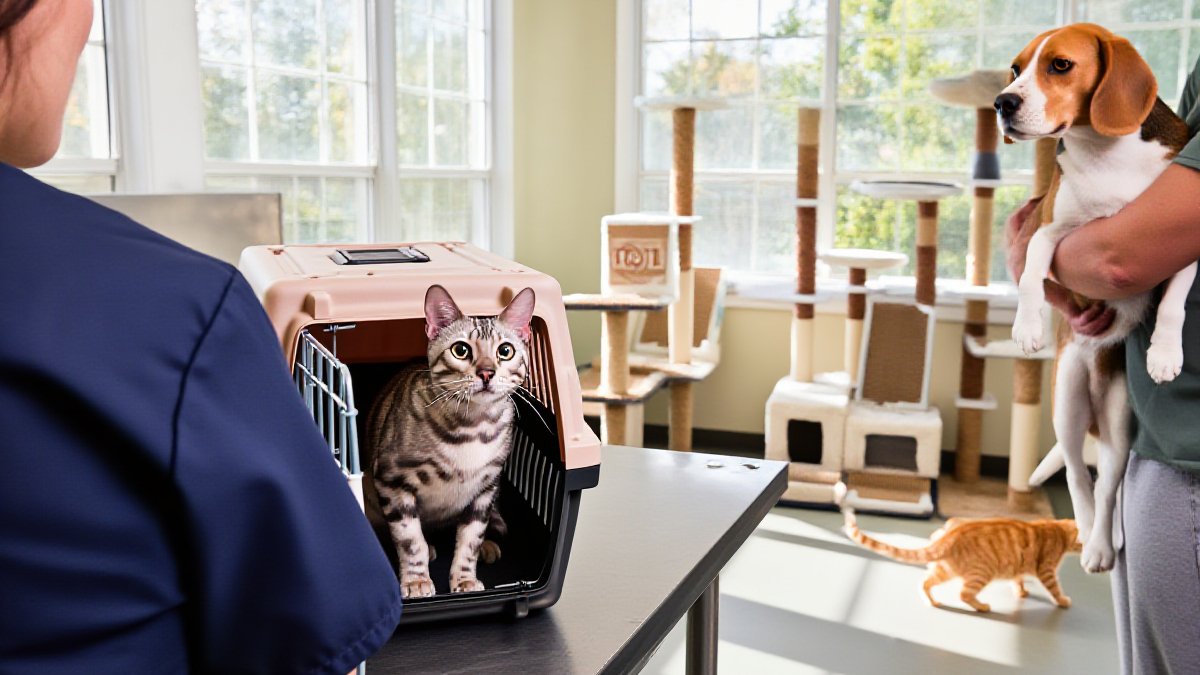
The front desk fielded a call not long ago from a man in Palm Harbor whose cat, a normally vocal orange tabby, had spent the morning hiding under the bed and had not touched his food since the night before. Twenty-four hours of not eating sounds unremarkable until you know that a cat’s liver starts to reorganize itself around fasting surprisingly fast — hepatic lipidosis is the term, and in a cat carrying extra weight it can begin within days. The owner asked the question every receptionist hears: “He’s not crying or bleeding, so is this worth a visit?”
It was. Not because the cat was dying — he wasn’t, quite — but because in cats, “not crying” and “not bleeding” are terrible measures of trouble. Cats are prey animals at heart, and they hide weakness the way other species hide nothing at all. By the time a cat is open-mouth breathing, refusing food for a day, or straining silently in a litter box, the reserve tank is already draining. The emergency question in feline medicine is rarely “how bad does it look” and almost always “how long has it been”.
What an Emergency Visit Actually Looks Like
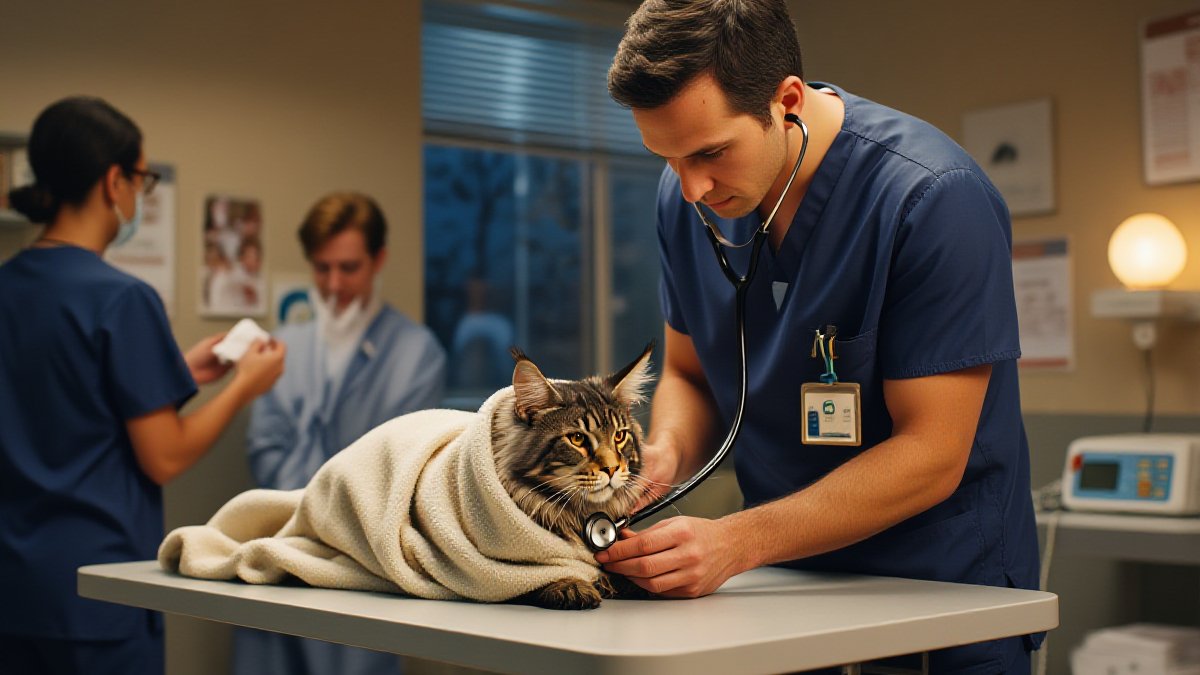
If you bring a truly unstable cat to The Vet Clinic of Palm Harbor, the first twenty minutes follow a pattern worth knowing in advance, because knowing it lowers everyone’s heart rate. Triage comes first: temperature, breathing effort, heart rate, gum color, and a quick scan for pain. A cat in respiratory distress goes to oxygen before anyone touches a diagnostic machine. A cat that ate lily pollen — the most dangerous flower a Florida houseplant can hold — gets IV fluids started early, because kidney damage from lilies is dose-dependent and time-dependent in a way almost nothing else is.
Stabilization is the unglamorous middle of the visit. IV fluids, warmth, pain control, and monitoring equipment — the clinic lists emergency stabilization, poison and toxin treatment, and hospitalization with 24-hour monitoring among its urgent-care services — exist to buy time while the actual problem is identified. That is where their in-house diagnostics matter: bloodwork run down the hall beats bloodwork sent across town by hours, and hours are the currency of emergency medicine.
The Toxin Calls We Take Every Florida Summer
Palm Harbor sits in a subtropical climate, and the toxin call list reflects it. Lilies in Valentine’s and Easter bouquets. Permethrin-based flea sprays made for dogs, which a well-meaning owner borrows for a cat and which cause tremors within hours. Antifreeze in the garage. Sago palms in the yard, toxic from the tip of the frond to the root. If your cat has been exposed to any of these, the drive to a clinic that keeps antidotes and IV fluids on hand is not optional — and calling before the drive means the antidote is drawn up when you walk in.
Own a Veterinary Clinic?
Enjoyed this article? Our editorial team researches, writes, and publishes professional features just like this one about clinics across the US. Get your practice in front of thousands of cat owners searching for a vet in your city.
One more Florida-specific note: hurricane season compresses clinic schedules and closes roads, and the cats notice the barometric change before the weather apps alert us. Anxiety-driven illness — cystitis flare-ups, hiding, not eating — spikes around storm systems. Build the clinic’s number into your storm kit next to the water and batteries.
Knowing Where You’d Go, Before You Need It
Here is the uncomfortable arithmetic of feline emergencies: the decision you make at 7:00 PM on a Thursday matters because The Vet Clinic of Palm Harbor runs its Tuesday and Thursday hours until 8:00 PM, opening at 7:15 AM the rest of the weekdays, and closes on Saturdays and Sundays. A Friday-evening emergency in Palm Harbor is a different logistical problem than a Tuesday-afternoon one. Mapping your options now — this clinic for urgent weekday care, a 24-hour specialty hospital for overnights, and the cat vets in Palm Harbor, FL directory for everything in between — takes ten minutes and saves a panicked twenty-minute search later. Owners in the north county stretch will also find coverage through the cat vets in Tampa, FL directory.
The Vet Clinic of Palm Harbor
35891 US Hwy 19 N, Palm Harbor, FL, 34684
Phone: (727) 781-7704
⭐ 4.8 (307 reviews)
After the Crisis: The Follow-Up Nobody Budgets For
An emergency does not end when the car ride home does. A cat that was hospitalized overnight needs quiet — a darkened room, low traffic, food warmed slightly to make it interesting — and a recheck appointment scheduled before the novelty of survival wears off. Most complications after toxin exposures and urinary obstructions show up in the first week, which is exactly the window owners skip. The team’s Fear-Free approach, and their habit of building preventive and wellness follow-up into recovery plans, exists for precisely this stretch of a case. If your regular veterinarian is elsewhere in Pinellas County, the Florida cat vet directory keeps every option a click away.
This article is editorial content produced by the CatVetFinder team. Clinic details are drawn from public listings and may change — always confirm hours and services with the clinic directly.