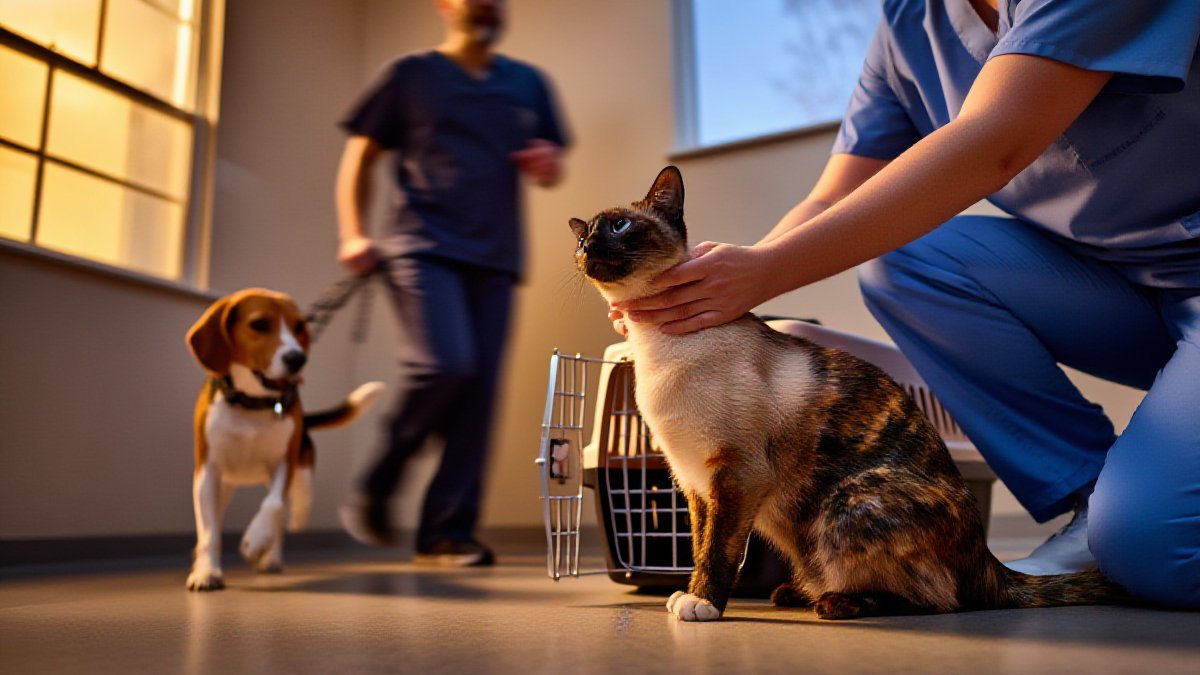
- Look first at breathing. Open-mouth breathing, labored effort, or a cat holding its neck extended is a go-now signal — respiratory distress is the most time-critical thing a cat shows.
- Second look: the litter box. A cat straining repeatedly with nothing produced — especially a male cat — is a urinary blockage until proven otherwise, and it can become fatal within a day.
- Third: toxins. Lilies (any part), antifreeze, permethrin dog flea products, human painkillers. If you suspect one, bring the packaging; do not wait for symptoms.
- Call while you load the carrier — two minutes of warning lets a team prepare oxygen, IV access, or an antidote before you arrive.
- Hard carrier, towel lining, no loose cat in the car. A panicking loose cat in traffic becomes a second emergency.
- Never give human medications. Acetaminophen, ibuprofen, and aspirin are all toxic to cats — there is no safe over-the-counter painkiller for them.
That checklist is the whole article compressed to six lines — the version you should be able to reconstruct at 11:00 PM without reading anything. Everything below is the reasoning behind it and the local map, because in an emergency the knowledge that matters is the knowledge you already had.
Round Rock has a specific geography of urgency: Interstate 35 splits the town north to south, and the difference between a clinic two minutes from your driveway and one forty minutes across Austin traffic is often the difference between a routine stabilization and a tragedy. The plan below is built around real hours and real capabilities, not generic advice — because the generic version of this article is exactly what you should not be reading during the emergency itself.
What an Emergency Actually Looks Like in a Cat
Cats are prey-shaped animals wearing a predator’s confidence, and they hide illness until hiding stops working. The classic emergencies are quiet at first: the male cat who spends twenty minutes in the box and walks away hunched; the cat who breathed oddly after chewing a plant and is now sitting very still in a corner; the cat who was fine before the garage was cleaned and now drools. The theme in nearly every feline emergency is change — a change in breathing, posture, litter box pattern, vocalization, or sociability. Owners who know their cat’s Tuesday baseline are the ones who catch the Wednesday deviation in time.
Timing thresholds worth memorizing: more than 24 hours without eating (sooner for kittens and diabetics), any straining without urine production (hours matter, not days), any open-mouth breathing (immediate), any suspected toxin exposure (immediate, even without symptoms — antidotes and decontamination work best before the symptoms arrive).
The Round Rock Map: Who Can Handle What
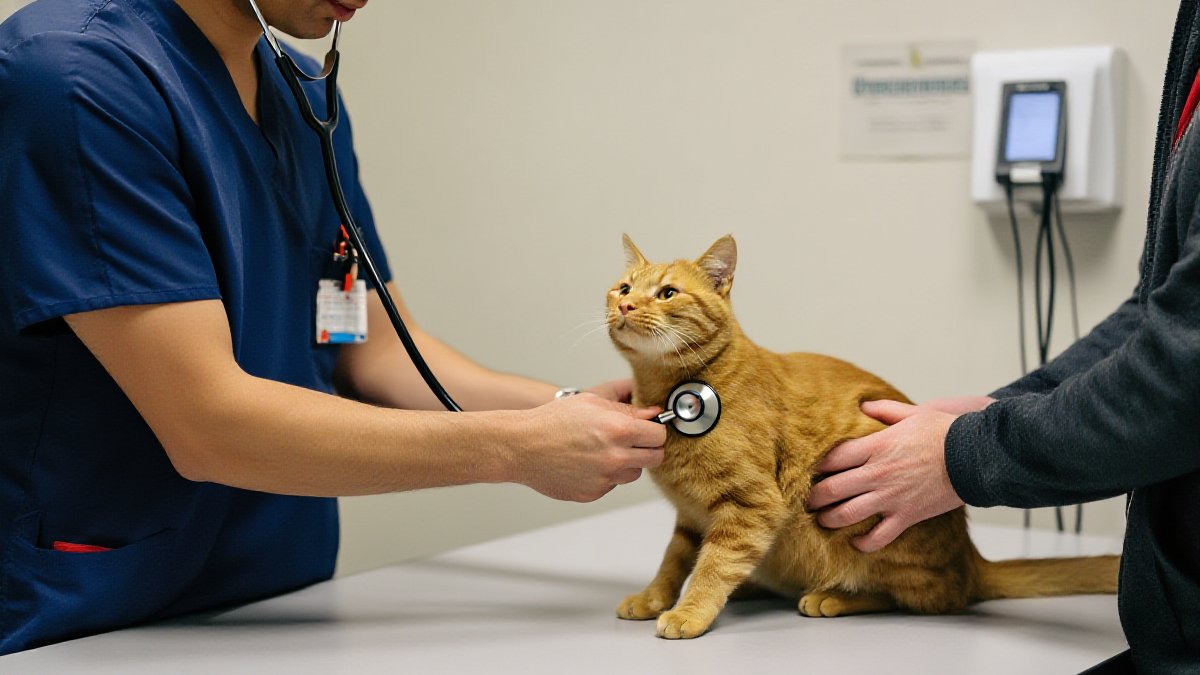
Not every clinic that answers the phone can handle an unstable cat, so it pays to know which doors open onto actual emergency capability. Prestige Animal Wellness on North Interstate 35 sits squarely in that category: their urgent-care list includes emergency stabilization, oxygen therapy, IV fluid therapy, poison and toxin treatment, and hospitalization with 24-hour monitoring for critical patients — the full sequence from door to intensive care. Hours run 7:00 AM to 6:00 PM on weekdays, Wednesday mornings until noon, and Sundays 10:00 AM to 2:00 PM; the clinic is closed Saturdays.
That Sunday window is the detail most Round Rock owners miss — most area practices are dark on Sundays entirely, and a four-hour Sunday window on the I-35 frontage road is worth programming into your phone before you need it. For the hours when any clinic is closed, the correct answer is a dedicated 24-hour emergency hospital in the Austin metro; identify yours tonight, save the address, and drive only if the checklist at the top says go. The cat vets in Round Rock, TX directory covers everything local, and cat vets in Austin, TX extends the map south.
Own a Veterinary Clinic?
Enjoyed this article? Our editorial team researches, writes, and publishes professional features just like this one about clinics across the US. Get your practice in front of thousands of cat owners searching for a vet in your city.
What Stabilization Looks Like Behind the Door
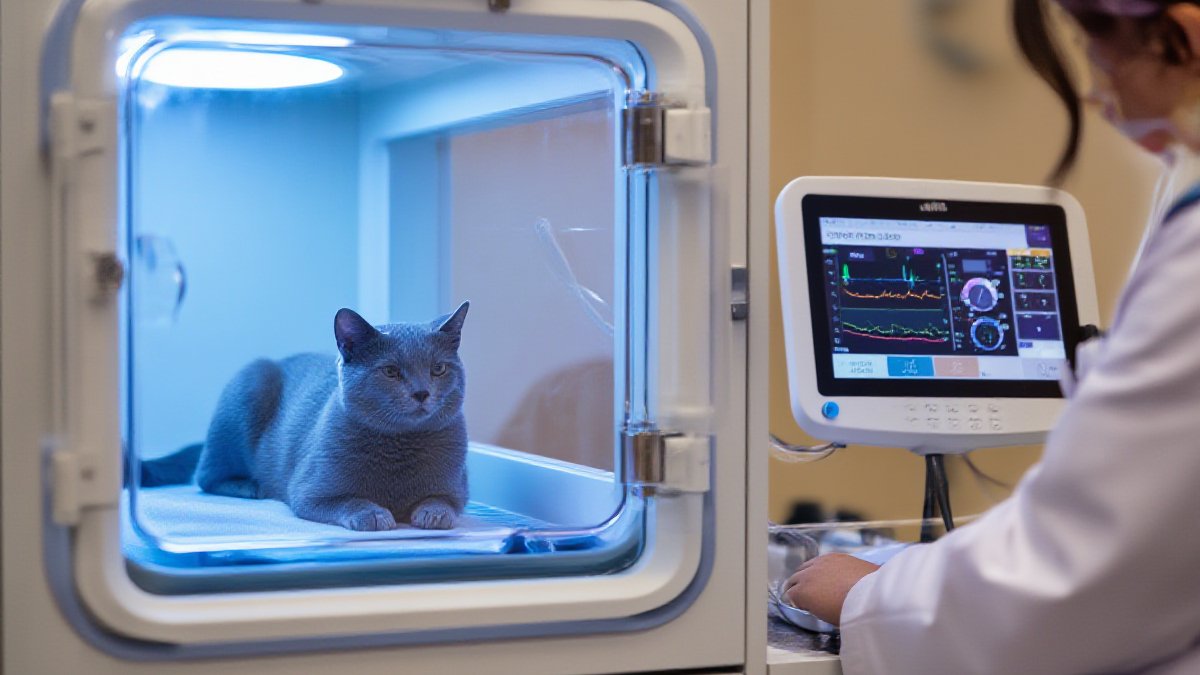
Owners are often surprised by how procedural emergency medicine is — and comforted by it. Triage comes first: temperature, breathing effort, heart rate, gum color, pain assessment. A cat in respiratory trouble goes to oxygen before any diagnostics; a poisoning gets decontamination and antidotes while bloodwork runs; a blocked cat gets an IV and pain control before anything else happens. Diagnostics follow stabilization, not the reverse — which is why clinics with in-house labs and digital X-rays change outcomes. Prestige runs in-house CBC and chemistry panels, digital radiography, ultrasound, EKG, and blood pressure monitoring, so the sequence from arrival to answer happens on one campus rather than across a city.
The Texas Toxin Calendar
Central Valley Texas has its own rhythm of poison calls. Spring brings lilies into every holiday bouquet — a single pollen grain groomed off a whisker can shut down a cat’s kidneys. Summer brings antifreeze drips in garages and driveways, sweet-tasting and lethal in teaspoons. Year-round, the dog-to-cat product mixup: permethrin-based flea spot-ons made for dogs cause tremors and seizures when applied to cats. And the human medicine cabinet remains the most accessible poison cabinet in the house. For all of these, the math is the same: the earlier the cat is on a treatment table, the more of the outcome is still negotiable.
After the Emergency: The Week Nobody Plans
The emergency ends when the cat is stable, but the case does not. Most complications — kidney values drifting after a toxin, a blocked cat re-blocking, an infection surfacing — appear in the first seven to ten days, which is exactly the window owners let slide. Book the recheck before leaving the clinic, keep the cat indoors and quiet, and feed what the team tells you to feed even if the cat objects. Prestige’s Fear-Free certification and their hospitalization-with-monitoring setup exist precisely for that fragile first week; telemedicine follow-ups and home delivery of medications through their online pharmacy remove the last two excuses for skipping the recheck.
Prestige Animal Wellness
1301 N Interstate Hwy 35, Round Rock, TX, 78664
Phone: (512) 503-0736
⭐ 4.9 (95 reviews)
This article is editorial content produced by the CatVetFinder team. Clinic details are drawn from public listings and may change — always confirm hours and services with the clinic directly.