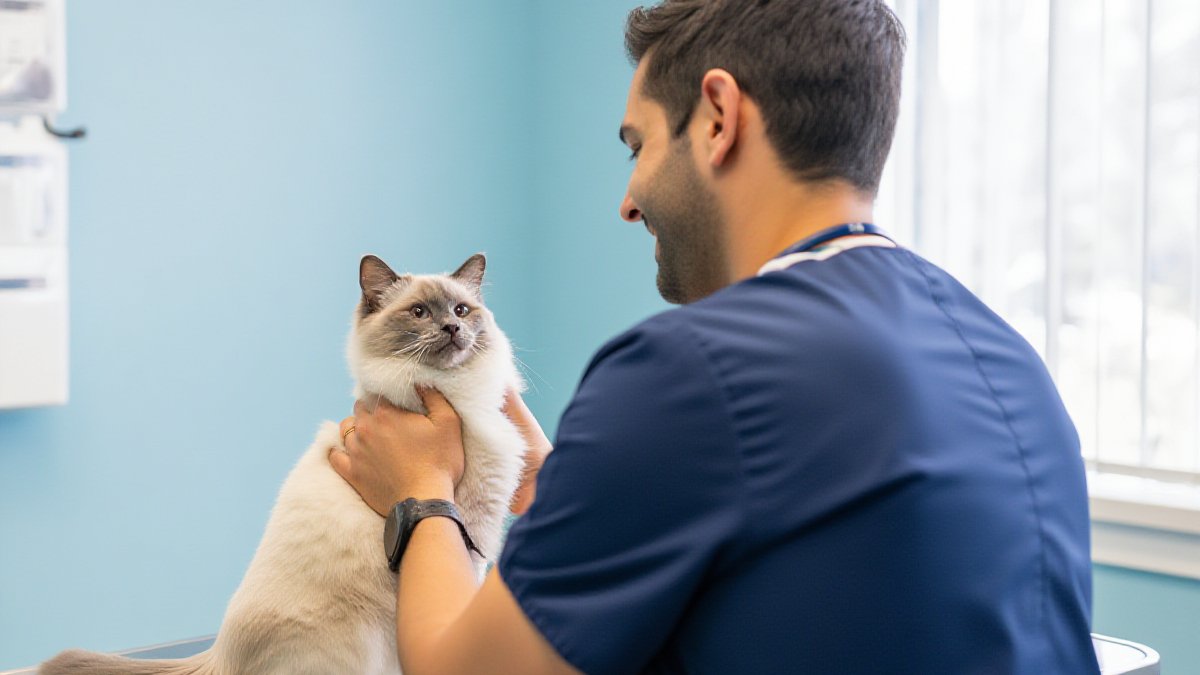
Why the Indoor Cat Myth Persists in Lakewood
It is a reasonable belief. A cat that never sets a paw outside genuinely avoids the highest-exposure environments — tall grass at Bear Creek Lake Park, the crawlspace under a west Denver porch. But the myth survives because it confuses the vector with the vehicle. Fleas do not need your cat to go outside; they need a warm body and a ride. And in a city like Lakewood, where the trails are half the reason people live here, the rides are constant: boots that hiked Mount Falcon on Saturday, the dog that greeted six other dogs at the dog park, the secondhand cat tree from a Facebook Marketplace listing.
The pattern shows up clearly in appointment data at clinics across Jefferson County: the patient with the flea infestation is very often the indoor-only cat in a household with a dog — or the cat in an apartment whose neighbor's pet brought the problem home. The cat stayed in. The parasites did not.
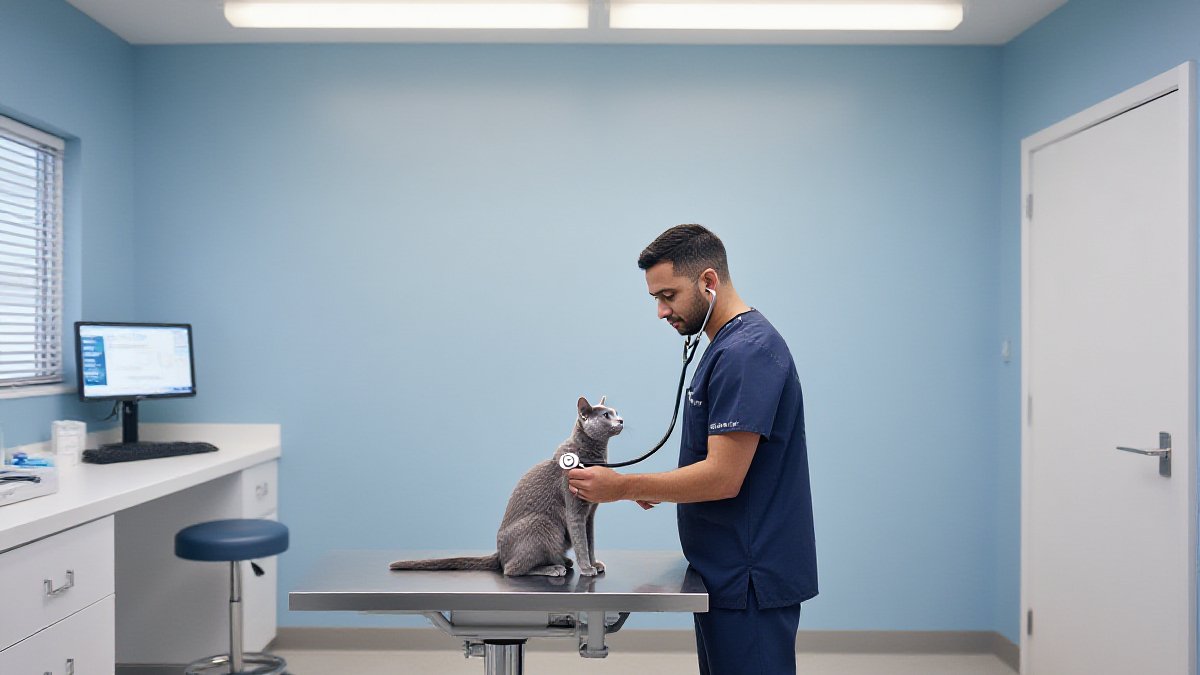
Colorado's Parasite Calendar Is Shifting
Own a Veterinary Clinic?
Enjoyed this article? Our editorial team researches, writes, and publishes professional features just like this one about clinics across the US. Get your practice in front of thousands of cat owners searching for a vet in your city.
The Front Range of 2026 is not the Front Range of thirty years ago. Milder winters and urban heat islands have stretched the seasons during which fleas and mosquitoes are active, and tick species that once stayed east or west of the metro corridor keep expanding their range. Two practical consequences follow. First, the old rule of "treat from April to October" leaves gaps that increasingly get exploited. Second, heartworm prevention for cats — long treated as optional in semi-arid climates — is now standard guidance among Front Range veterinarians, because the mosquitoes that carry it have proven perfectly willing to winter indoors and bite early.
The team at Sploot Veterinary Care - Belmar puts it in terms that are hard to argue with: prevention is cheap, predictable, and safe; treatment is none of the three. A cat that develops flea-association anemia or HARD faces weeks of care with real odds of lasting damage. A cat on a consistent preventive faces neither.
What Year-Round Prevention Looks Like in Practice
- Pick a monthly anchor date — the first of the month, the day rent is due — and dose every parasite preventive on that date. Consistency beats cleverness; the missed dose is how most "breakthrough" infestations actually start.
- Treat every animal in the household. The dog's fleas are the cat's fleas; stopping the cat's dose because "she's indoor-only" while the dog still visits the dog park is how the myth finally collapses under its own exceptions.
- Match the product to the species, every time. Dog-labeled permethrin products are toxic to cats at minuscule exposures. If both species live under your roof, confirm each product's label and ask before applying anything new.
- Keep the environment in the plan. Vacuuming where the cat naps, washing bedding on hot, and checking window screens do as much as any bottle to break a flea life cycle already underway.
- Book the annual exam even when nothing seems wrong. A fecal test at a wellness visit catches intestinal parasites that no topical product targets, and it is the visit where weight, dental, and vaccine status all get audited at once.
What a Prevention-First Visit Includes
A visit built around parasite prevention is short and practical. Expect a weight check that right-sizes the dose, a coat and skin inspection that documents any existing flea activity, a heartworm and intestinal parasite discussion calibrated to Lakewood's actual risk profile, and a written schedule for whatever product is chosen. Sploot Veterinary Care's Belmar location lists comprehensive physical exams, core and lifestyle vaccinations, heartworm testing and prevention, flea and tick prevention, intestinal deworming, and nutritional counseling among its standard wellness services — in other words, everything on the indoor-cat risk list gets covered in one appointment. They are Fear-Free Certified, which matters more than it sounds: a cat that is not fighting the visit is a cat whose skin and coat actually get examined.
Their hours at 430 S Teller St — 9:00 AM to 6:00 PM Mondays and Wednesdays, 11:00 AM to 8:00 PM Tuesdays and Thursdays, 11:00 AM to 6:00 PM Fridays, and 11:00 AM to 4:00 PM Saturdays — make early-evening and weekend slots realistic for owners who work in Denver and cannot do a weekday noon appointment. A 4.8-star rating across 470 reviews suggests the scheduling convenience is not coming at the cost of the experience.
The Bottom Line for Lakewood Cat Owners
Indoor life is genuinely protective — it is just not a force field. Fleas arrive by proxy, ticks hitch on the family dog, and mosquitoes pass through screens as a matter of course. Year-round, vet-directed prevention closes the gap between "my cat stays inside" and "my cat stays safe," and it costs a fraction of what treating a full infestation or managing heartworm-associated lung disease does. Call Sploot Veterinary Care - Belmar at (720) 599-0561 to talk through the right product for your cat — or browse all cat vets in Lakewood, CO to compare practices before booking.
Sploot Veterinary Care - Belmar
430 S Teller St, Lakewood, CO, 80226
Phone: (720) 599-0561
⭐ 4.8 (470 reviews)
More Lakewood & Front Range Cat Resources
This article is editorial content produced by the CatVetFinder team. Clinic details are drawn from public listings and may change — always confirm hours and services with the clinic directly.