There is a cat I think about more than I probably should. Fourteen years old, a big orange fellow who had spent his whole life arriving on a kitchen chair via a step stool his family bought him years ago. One March, the chair was enough. The stool went unused. He ate with the same enthusiasm, still claimed the windowsill in the afternoon, still yelled for dinner at five — and nobody thought much about the stool, because the stools of old cats lead quiet lives.
Then a teenager in the house mentioned, almost as an aside, that he had stopped going up to the bunk-bed perch entirely. That one remark was the whole diagnosis, or at least the beginning of it. He had arthritis, the kind that grinds along quietly for years while everyone — the family, sometimes the clinic — keeps calling it "just slowing down."
More than half of cats over age twelve show arthritic changes on X-ray, and yet senior cat arthritis is one of the most under-treated conditions in feline medicine. Around Largo, where so many cats live long Florida lives indoors, I hear the same sentence weekly. This is the version of that conversation I wish every cat owner in Pinellas County could sit in on — with a nod to the team at Animal Hospital of Largo, whose senior wellness program does exactly this kind of detective work.
Cats Do Not Limp. That Is the Whole Problem.
Dogs announce arthritis. They limp on the way to the car, they struggle on the stairs, they make it impossible not to notice. Cats are built differently, in temperament as much as in joints: they distribute weight, they take the long flat route, they opt out of the jump rather than miss it. In fifteen years of practice I can count on one hand the number of cats presented for limping. The cats come in for something else entirely — a dull coat, a weight complaint, an annual exam — and the arthritis is found underneath, the way you find damp under fresh paint.
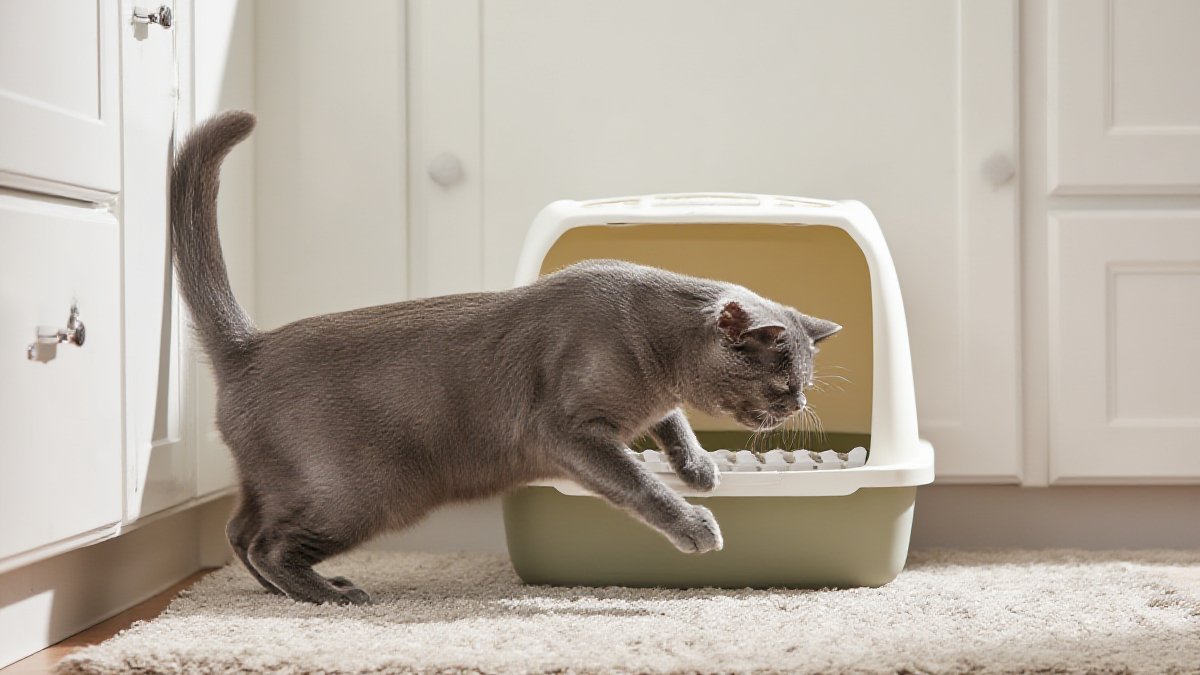
What I ask instead: Is the litter box still being entered the old way? Are there new accident locations, particularly on hard floors a cat would never have chosen? Has the sleeping spot migrated from the cat tree to the couch? Does the cat still chase the morning sunbeam across the room, or has the sunbeam come to the cat? Has grooming slowed along the lower back, where the spine has grown a ridge and the hind legs have lost flexibility? Not one of these is "limping," and every one of them is arthritis until proven otherwise.
What the Exam Actually Adds
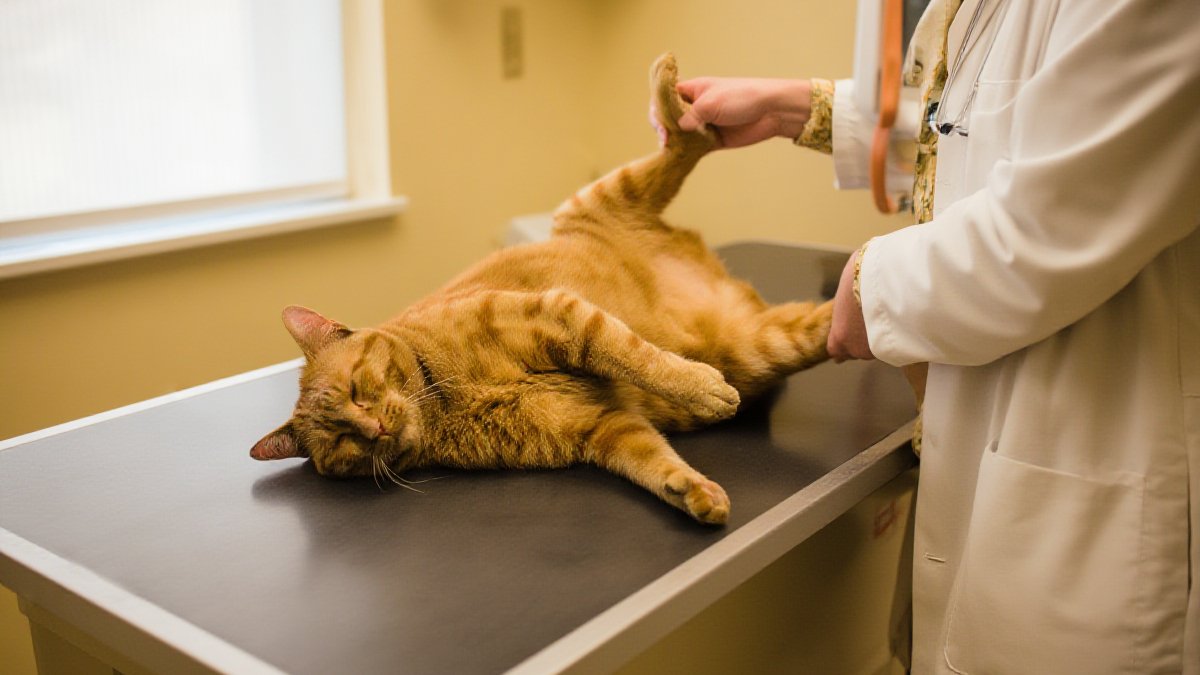
History tells me where to look; hands tell me what is there. On the table, an arthritic cat often reveals itself before any joint is touched — the stiffness settling into position, the reluctance to fully flex the hips, the muscles over the spine that have thinned while the belly has not. Radiographs settle the argument when the argument needs settling. But here is the part owners sometimes find surprising: a trial of pain relief can be diagnostic too. A cat who was "just old" and becomes demonstrably more playful, grooming, jumping, rejoining the family in a week or two — that cat was in pain, and the improvement is the proof.
Own a Veterinary Clinic?
Enjoyed this article? Our editorial team researches, writes, and publishes professional features just like this one about clinics across the US. Get your practice in front of thousands of cat owners searching for a vet in your city.
What Actually Helps
The cats who do best get a layered plan, and the layers are not optional extras:
- Weight first, and I will keep saying it until retirement: a cat carrying two extra pounds feels it in every stride, and no supplement outruns gravity.
- Real pain medication — solensia injections, gabapentin, or an NSAID when kidneys allow. Never, under any circumstances, a human painkiller from the home medicine cabinet.
- Environmental engineering: low-entry litter boxes, ramps to the favorite window, a step stool of honor returned to the kitchen.
- Joint support with actual evidence behind it — omega-3s, glucosamine products, the occasional therapeutic diet.
- A senior exam twice a year, because bloodwork trends and blood pressure change the plan long before anything shows at home.
At Animal Hospital of Largo, the senior wellness side of the menu runs exactly this way: age-specific screening panels, blood pressure monitoring, weight and nutrition counseling, and pain management as its own service rather than an afterthought. For the cats whose arthritis rides alongside other senior conditions, they also keep ultrasound, digital X-rays, and an in-house lab under the same roof — which matters more than it sounds, because a twelve-year-old cat should not be making three trips across town for three answers. Their 4.8-star rating, across more than a thousand reviews, is the kind of number that reflects a decade of Tuesday mornings like the one my orange patient had.
Animal Hospital of Largo
13902 Walsingham Rd, Largo, FL, 33774
Phone: (727) 595-2287
⭐ 4.8 (1,020 reviews)
If your own senior cat has quietly renegotiated its relationship with the furniture, the cat services guide page breaks down what a senior exam should include, and the cat vets in Largo, FL directory lists every clinic in the city if you want to compare before booking. The Clearwater, FL directory is a short drive north for Pinellas County neighbors, and Seminole, FL sits just inland along the same corridor.
More Largo & Pinellas County Cat Resources
This article is editorial content produced by the CatVetFinder team. Clinic details are drawn from public listings and may change — always confirm hours and services with the clinic directly.