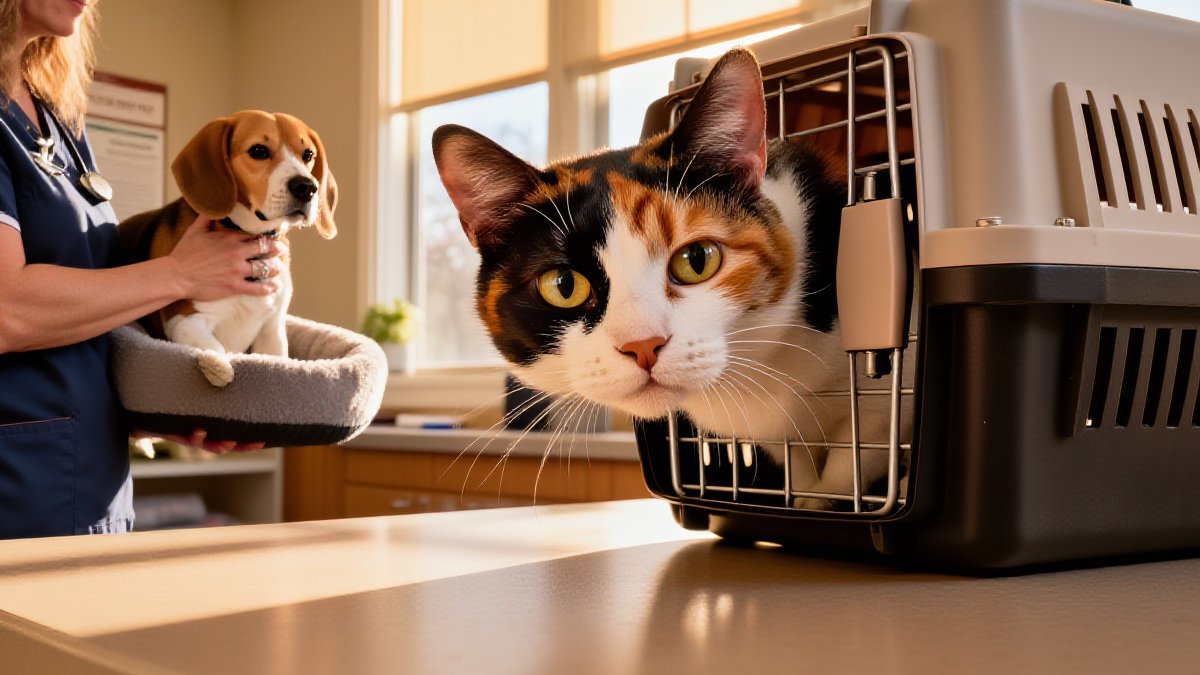
Somewhere in San Angelo there is a cat — call him the one sleeping on the coffee table instead of the windowsill — whose people think he has simply gotten lazy in his old age. He has not. He has made an arithmetic decision: the jump costs more than it used to, so the jump goes. That is feline arthritis in a sentence, and it is the most under-diagnosed condition in senior cats, not because vets miss it but because cats present it as a series of small lifestyle edits that owners read as aging.
This guide answers the questions San Angelo cat owners actually bring to a senior exam, in the order they usually ask them — starting with the signs, since the signs are where the whole case gets made.
Why Limping Is the Wrong Thing to Wait For
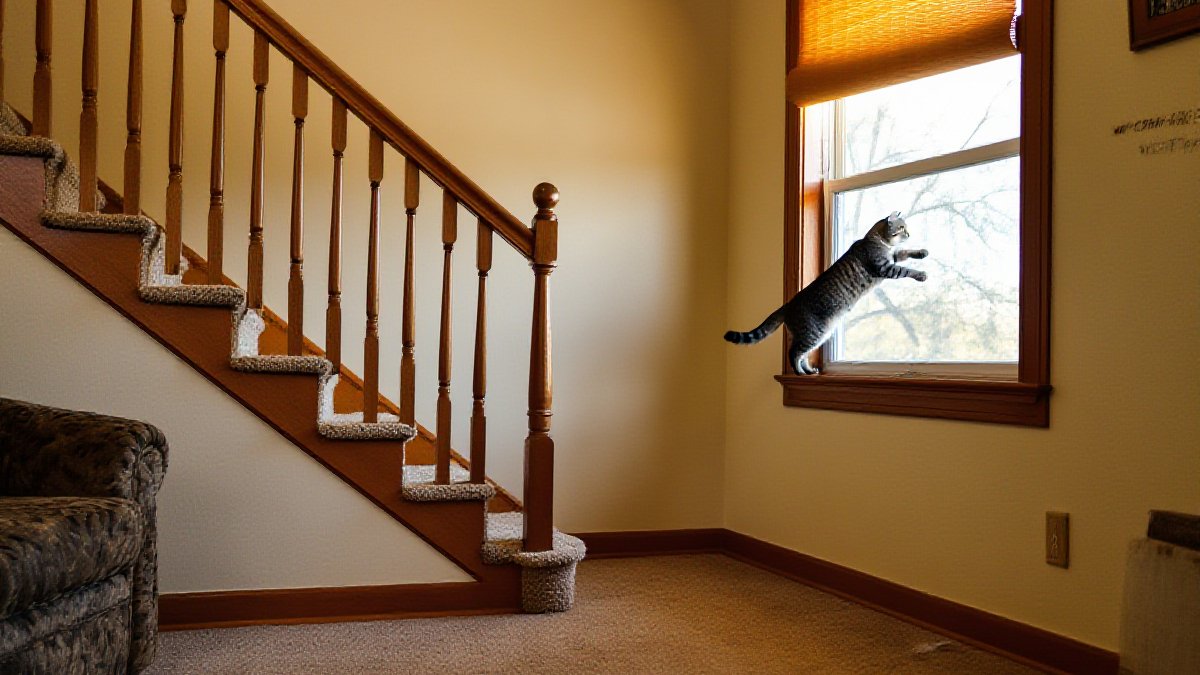
Cats distribute weight so skillfully that a badly arthritic cat can move with no visible gait change at all. Waiting for a limp means waiting for the late stage. What changes instead is behavior, in a rough but recognizable order, and the order is useful because it gives you a staging map: first the vertical claims are surrendered (counters, window perches, the top of the recliner), then the landings get heavier, then the coat over the hips dulls from under-grooming, then the litter box starts producing complaints. Owners who film their cat’s daily jump attempts on a phone give the exam a running start — a ten-second video of hesitation at the stairs is worth more than a paragraph of description.
The Workup, Step by Step
Own a Veterinary Clinic?
Enjoyed this article? Our editorial team researches, writes, and publishes professional features just like this one about clinics across the US. Get your practice in front of thousands of cat owners searching for a vet in your city.
- The movement exam. Walking, rising, joint flexion, spine palpation. Establishes most of the picture without any equipment at all.
- Baseline labwork. Kidney and liver values decide which pain medications are safe, so this is not an upsell — it is the license for everything that follows.
- X-rays when needed. Confirm which joints are involved and rule out lookalikes. A general practice handles all of this; the nearest referral center is a long drive down US-87 or TX-153, which is exactly why the local workup matters.
- A pain score and an owner questionnaire. Vets score changes with questions that feel oddly specific on purpose — counter jumps, lower-back grooming, litter-box hesitation. Answer them literally, not optimistically.
Treatment Without the Medicine Cabinet
The environment tier deserves its own paragraph because it is the one owners skip in favor of the prescription — and it is the one with the fastest payoff. A $40 step stool can restore a cat’s access to the windowsill it surrendered in April. A low-sided litter box (or one cut down at the entrance) ends the hesitation that owners mistake for stubbornness. Ramps to the bed, memory foam where the cat actually sleeps, food and water raised to counter height so the cat stops crouching to eat. None of this costs a prescription, all of it starts today, and every layer above it works better when the cat’s day no longer hurts by default.
The Medical Tiers, Honestly Ranked
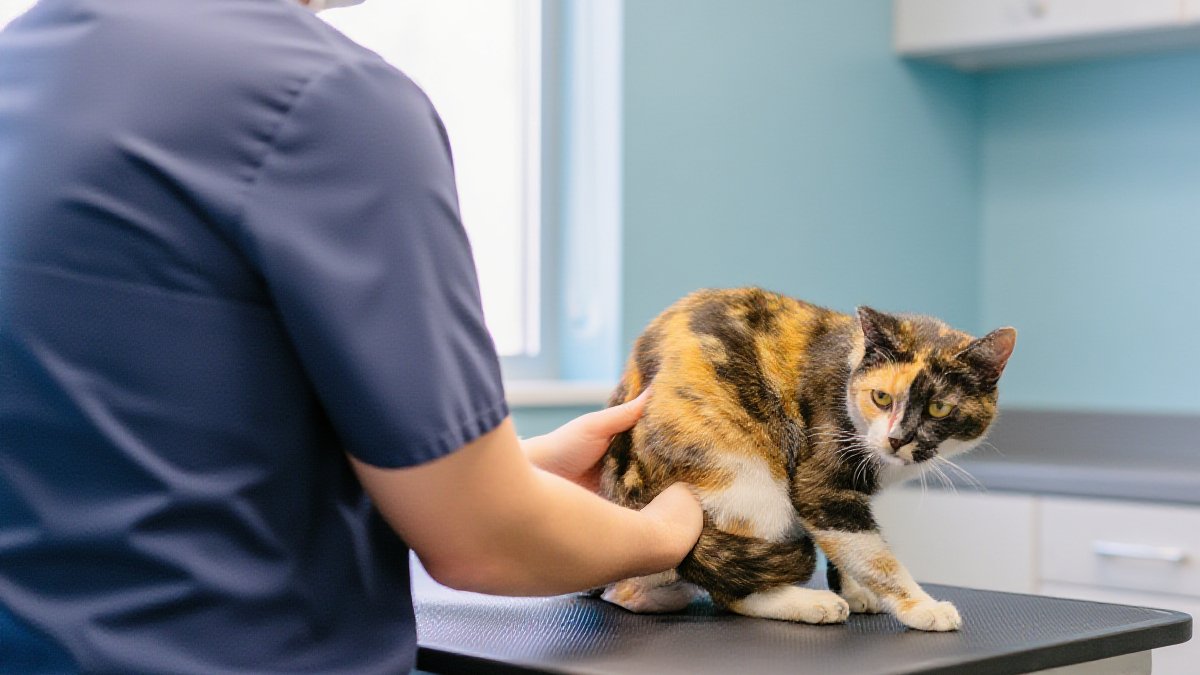
- Joint supplements (omega-3 fatty acids, glucosamine/chondroitin). Modest support, real but limited; the entry tier, safe alongside everything else.
- Solensia (frunevetmab). A once-monthly injection many senior cats respond to well; it targets the pain signaling pathway rather than masking it, and monitoring stays simple.
- Oral pain medication, vet-supervised. For cats who need daily management; dosing and safety ride on the labwork rhythm described above.
- Weight management, unglamorous but decisive. Every extra pound a senior cat carries multiplies the joint load; in practice, the leanest arthritic cats outperform the heaviest non-arthritic ones at the litter box and the stairs.
The Concho Valley Version of the Problem
West Texas shapes senior-cat care in ways a coastal guide does not. Indoor-outdoor habits persist across San Angelo’s older neighborhoods, and a stiff-jointed cat navigating gravel alleys, pier-and-beam porches, and unscreened yards takes falls a purely indoor cat never will. Summer heat is the second factor: an arthritic cat drinks more but moves less, dehydration compounds stiffness, and the long September afternoons here run hot well past the calendar’s fall. The twice-yearly exam rhythm is what catches the compounding — weight loss that reads as "doing well" on the bathroom scale, kidney drift that shows only on bloodwork, pain that the cat reports only in behavior.
This is where the practice choice matters more than it would for a young, healthy cat. College Hills Animal Hospital has built its standing with West Texas pet owners the ordinary way — 4.9 stars across 69 reviews, the kind of rating a clinic earns over years of unglamorous appointments — and its location at 4201 College Hills Blvd sits centrally for owners coming in from throughout the city. Their team’s senior-cat habits are exactly the ones this guide keeps circling: the hands-on movement exam, the labwork before the prescription, and a plan sequenced so the cheapest layers start first. Call (325) 944-3519 and say the word "senior" when you book; it changes how the appointment is structured. For context on every other option in town, the cat vets in San Angelo, TX directory lists the full field.
College Hills Animal Hospital
4201 College Hills Blvd, San Angelo, TX, 76904
Phone: (325) 944-3519
⭐ 4.9 (69 reviews)
More San Angelo & West Texas Cat Resources
This article is editorial content produced by the CatVetFinder team. Clinic details are drawn from public listings and may change — always confirm hours and services with the clinic directly.