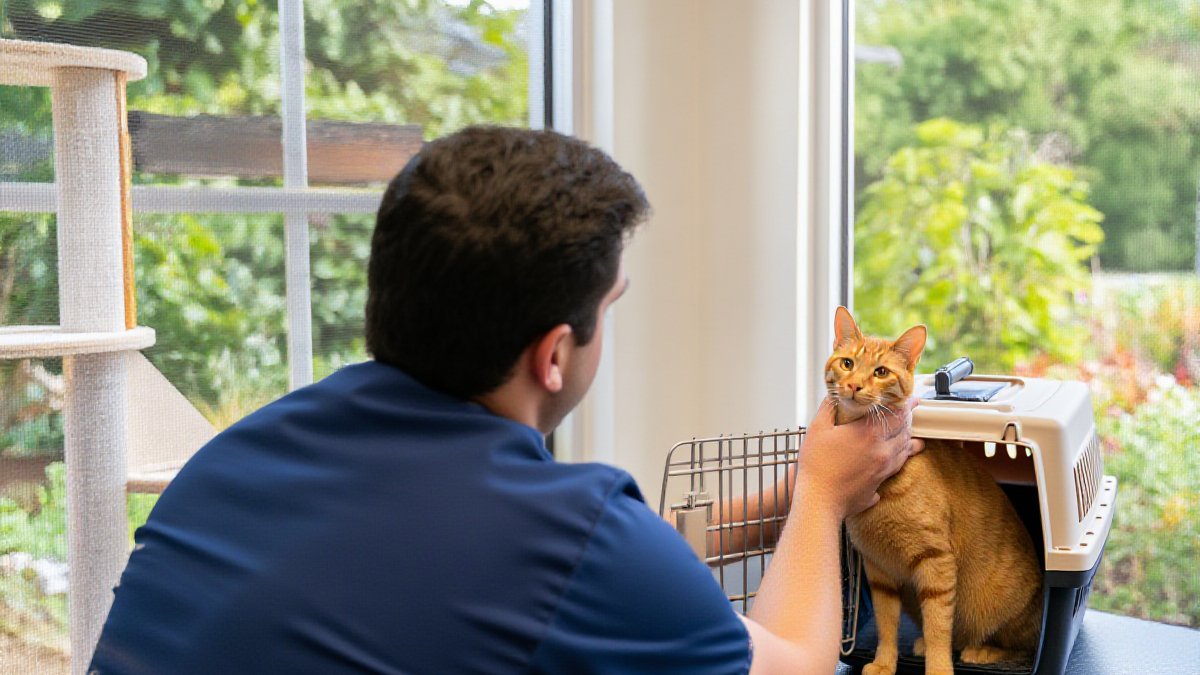
Spay and neuter surgery is the most common procedure most cats will ever have — and the one owners think about least until the week before it happens. The surgery itself is routine at any competent Florida hospital. What separates a smooth, boring recovery from a stressful one is everything around the surgery: the preparation, the anesthesia protocol, the first forty-eight hours at home, and knowing which post-op sounds and sights are normal and which are not. This guide walks through the whole arc for a typical Central Florida cat owner, using the services and standards you would encounter at a full-service hospital like Spring Run Veterinary Hospital in Altamonte Springs.
The Pre-Surgery Checklist
- Book the pre-surgical exam. Every reputable hospital requires a physical exam before anesthesia — heart and lungs listened, weight recorded, age confirmed. For kittens, this is often folded into a wellness visit; the conversation about timing (most Florida practices align with the 5-to-6-month mark, earlier for shelters) happens here.
- Follow the food cutoff. No food after midnight the night before; water is usually fine until morning. A cat with food in its stomach under anesthesia risks aspiration — this single rule prevents the most common surgical complication.
- Confirm what "recovery space" means at your house. Before surgery day, set up a small, warm, escape-proof room: a bathroom or large dog crate with a blanket on the floor, litter within reach (some vets suggest paper litter for a few days to keep dust out of the incision), and no high perches. A cat that jumps on surgery night is the classic cause of a reopened incision.
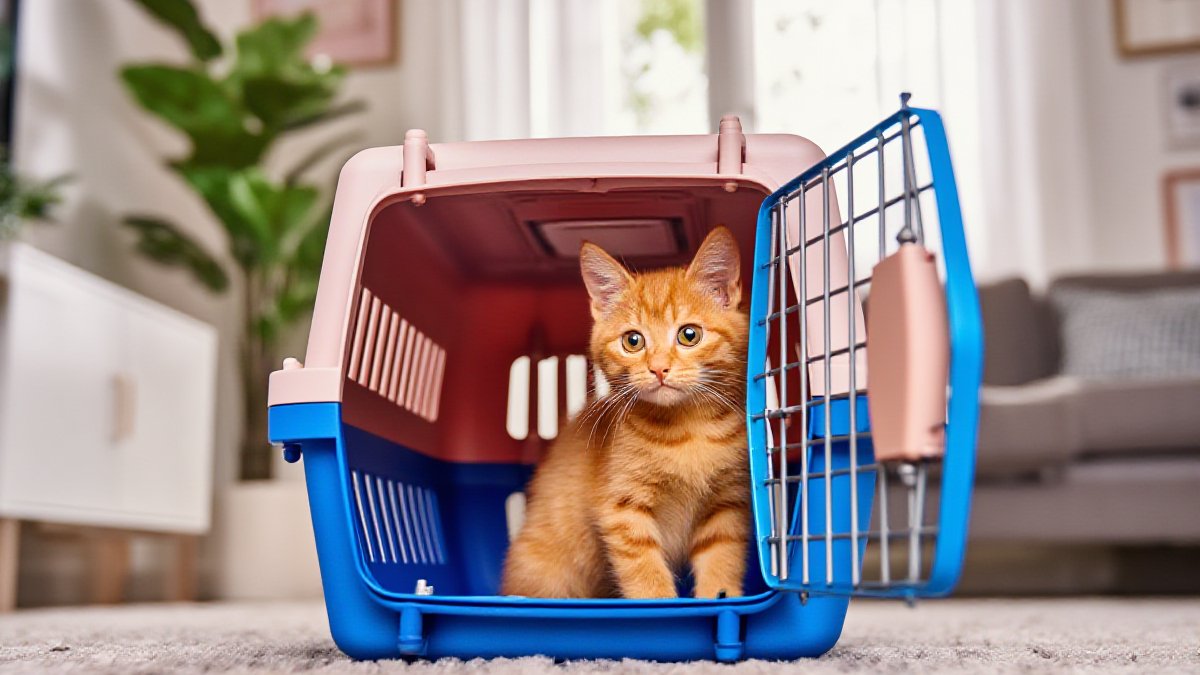
- Plan the carrier and the drive. Hard-sided carrier, towel inside, seatbelted in the back seat. Florida heat makes a parked car a hazard even at 8 AM — drop-off windows exist for a reason.
- Ask your questions now, not at the drop-off desk. Pain plan? E-collar needed? Which anesthesia monitoring? Good hospitals welcome this; it is what a pre-surgical consultation is for.
Surgery Day at the Hospital
Own a Veterinary Clinic?
Enjoyed this article? Our editorial team researches, writes, and publishes professional features just like this one about clinics across the US. Get your practice in front of thousands of cat owners searching for a vet in your city.
After admission, a catheter is placed, pre-anesthetic bloodwork (standard at full-service hospitals for any patient over a few months old) is verified, and the cat receives a pre-medication that makes the transition to general anesthesia smoother. The surgeon intubates with a tiny endotracheal tube, monitors with pulse oximetry and often EKG, and a dedicated technician tracks temperature and reflexes throughout. A spay is a proper abdominal surgery — the ovaries and uterus are removed through a small incision — while a neuter is quicker and less invasive. Either way, the longest part of most cats' day is the monitored recovery, not the surgery itself.
At Spring Run Veterinary Hospital, the service list behind that surgery day runs deep for a community hospital: general and soft-tissue surgery with dedicated anesthesia and sedation support, in-house bloodwork, digital X-rays, dental X-rays, and 24-hour post-operative hospitalization monitoring for patients who need it. Reproductive services sit alongside the surgical team's work, which is relevant if you are breeding responsibly and timing a litter around a planned spay. The hospital also lists telemedicine consultations — genuinely useful for the day-after "is this incision normal?" photo question when a drive to State Road 434 with a cat in a cone is the last thing anyone wants.
The Recovery Timeline, Hour by Hour
| Window | What you will see | What you should do |
|---|---|---|
| First 12 hours | Grogginess, wobbly walking, small appetite, quiet voice — anesthesia is still wearing off. | Keep the cat warm, contained, and unbothered. Offer small amounts of water and food by evening. No other pets in the recovery room. |
| Day 1–2 | Sleeping most of the day, moving stiffly but steadily, modest appetite. Incision may be slightly pink and firm. | Pain medication on schedule. Check the incision twice daily in good light. Keep the cone or recovery suit on if dispensed. |
| Day 3–5 | Back to near-normal appetite and grooming, walking without stiffness. Incision edges sealed. | Continue restricting jumping and rough play. Sutures or tissue glue get inspected at the recheck appointment. |
| Day 10–14 | Fully recovered behavior; incision healed and clean. | Recheck exam clears the cat for full activity — climbing, cat trees, the usual zoomies. |
Florida-Specific Recovery Notes
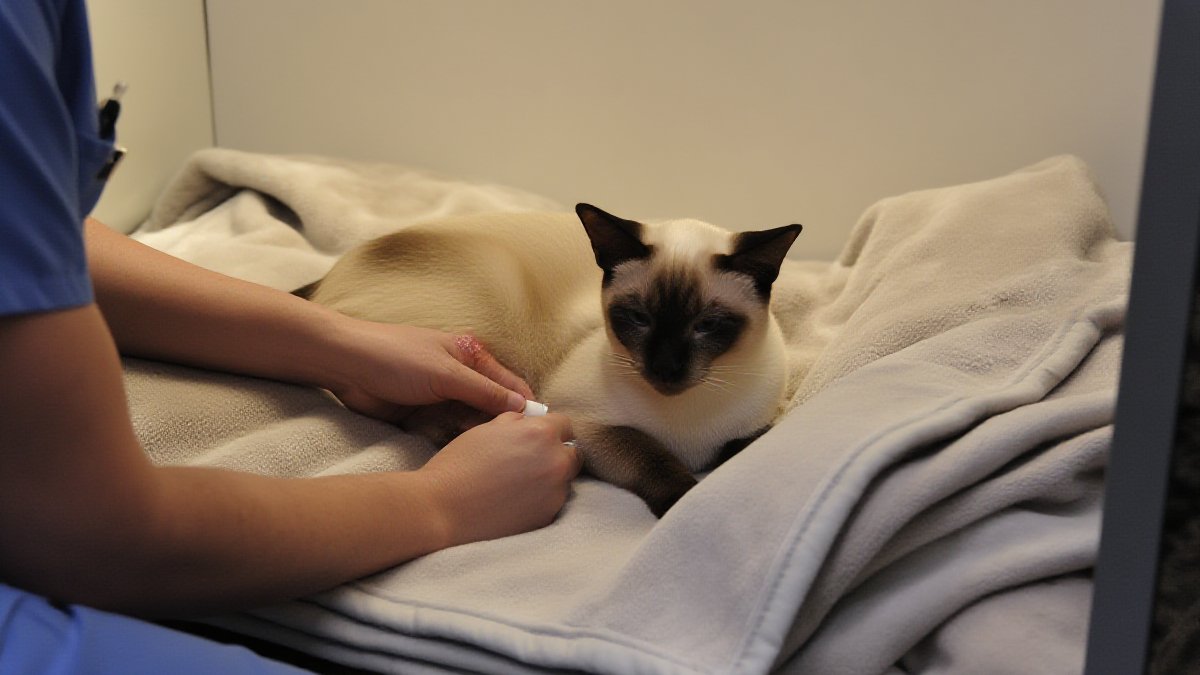
Recoveries here carry a few regional wrinkles. Air conditioning matters more than usual — a groggy cat cannot thermoregulate well, and an Orlando-area September afternoon can push a closed room into the danger zone fast. Mosquitoes are a genuine nuisance around a fresh incision; keeping the recovery room screened and the cat indoors does double duty for surgical and parasite reasons alike. And hurricane season adds one planning wrinkle worth taking seriously: if a storm is in the forecast during your surgery week, ask the hospital early about moving the date. Emergency boarding and post-op patients both compete for limited generator-powered capacity when Central Florida weather turns.
Why the Timing Conversation Matters in Central Florida
Florida shelters run at capacity nearly year-round; Orange and Seminole counties intake more cats in kitten season (spring through fall, thanks to the long breeding season) than almost anywhere else in the country. A five-month-old kitten spayed before her first heat never contributes to that pipeline — and cats spayed before the first heat have a dramatically lower lifetime risk of mammary tumors, which is the single biggest oncology argument for not waiting. Add in the behaviors that disappear with the surgery: yowling serenades, escape attempts, and the spraying that starts when tomcats mature. The team at Spring Run Veterinary Hospital can walk through timing specifics for your cat at the pre-surgical exam; you can reach them at (407) 862-7579.
If you are still choosing a hospital for the procedure, compare all cat vets in Altamonte Springs, FL — and if you are weighing costs against the procedure's lifetime value, remember the surgery is a one-time expense that eliminates pyometra (a life-threatening uterine infection that is genuinely common in unspayed females) and most roaming-related injuries. Emergency surgery for either costs multiples of a scheduled spay or neuter.
Spring Run Veterinary Hospital
833 N State Rd 434, Altamonte Springs, FL, 32714
Phone: (407) 862-7579
⭐ 4.8 (321 reviews)
More Altamonte Springs & Central Florida Cat Resources
This article is editorial content produced by the CatVetFinder team. Clinic details are drawn from public listings and may change — always confirm hours and services with the clinic directly.