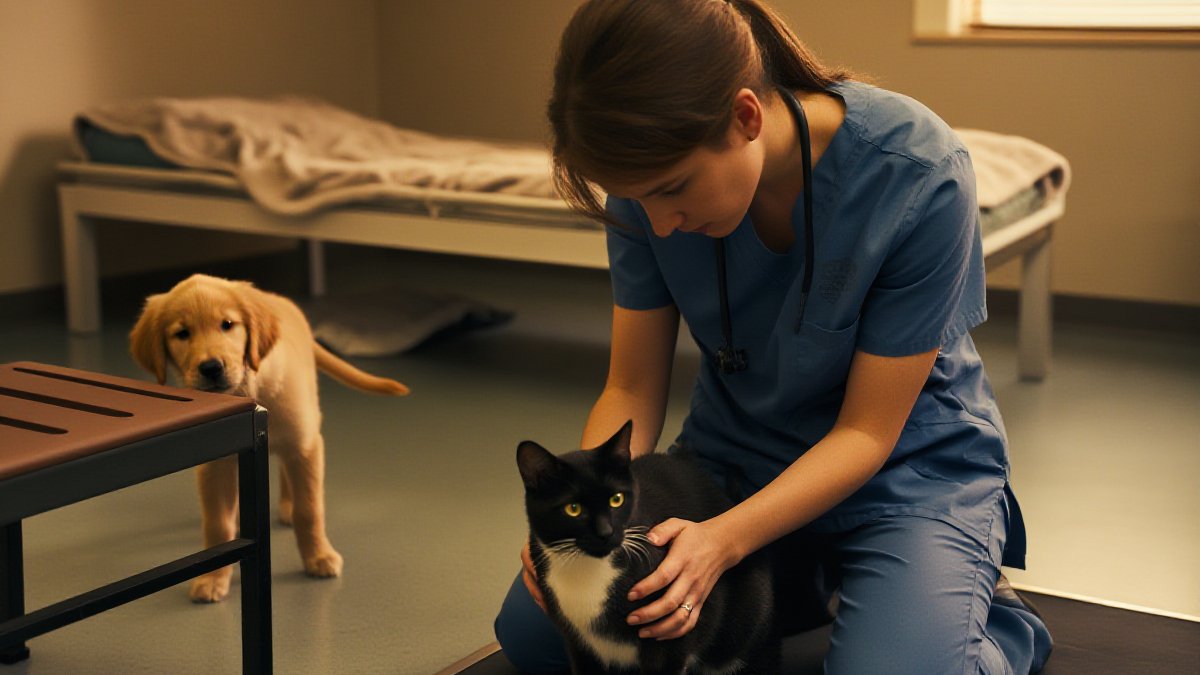
The scene is always the same. The cat is on your lap, purring, eyes half-closed, and you are doing exactly what the cat wanted. Then, without warning: teeth. Not a full attack — a quick, decisive bite, sometimes followed by the cat hopping off and acting as if nothing happened, sometimes followed by a grab-and-kick. Owners take it personally. Some stop petting the cat entirely; a few quietly conclude the cat is "just mean."
Almost none of that interpretation is accurate. What happened is called petting-induced aggression, it is one of the most commonly reported behavior complaints in cats, and it is fundamentally a communication failure — not a personality flaw and not spite. The cat sent signals that the petting had gone on long enough; the signals were subtle and got missed; the bite is the punctuation mark at the end of a sentence the owner never heard. This guide decodes that sentence, then gives the retraining plan that reliably fixes it.
First, Rule Out Pain — the Step Almost Everyone Skips
Before treating this as training, treat it as a symptom. A cat who suddenly starts biting during handling, or whose biting is new and escalating, may be telling you that petting hurts. Dental pain is the classic hidden cause — a cat with a resorptive lesion or inflamed gums bites when a hand drifts near the face. Arthritis in the neck, hips, or tail base makes certain touches genuinely unpleasant. Skin conditions make previously fine petting sting. The pattern that raises suspicion: the biting is new, specific to certain body areas, or paired with other changes like reluctance to jump, over-grooming one spot, or decreased grooming.
This is especially important for middle-aged and senior cats, whose arthritis is wildly underdiagnosed precisely because they rarely limp. A veterinary exam before the behavior plan is not a box-checking formality — fixing the pain sometimes fixes the biting outright.
Reading the Warning Signs You Were Missing
Cat-to-cat etiquette involves elaborate pre-fight signaling; the bite during petting is nearly always preceded by a sequence the owner can learn to see. Watch for these, in rough order of escalation:
- Skin rippling or a twitch along the back or flank — "ripple" is the classic term, and it is the earliest sign.
- Tail movement changes: from loose swaying to sharp thrashing, thumping, or lashing tip flicks.
- Ears rotating sideways or back ("airplane ears"), head turning sharply toward your hand.
- Purring that stops, or a shift from relaxed purring to a rougher, insistent texture.
- Pupils dilating, body tensing, whiskers pulling forward.
- Stillness after relaxation — a cat who abruptly goes very still is often one stroke from the bite.
Learn the first two signs and most bites become unnecessary, because you stop at the twitch and the cat never needs to escalate. The entire retraining plan below is built on this: end every petting session before the cat asks you to.
Own a Veterinary Clinic?
Enjoyed this article? Our editorial team researches, writes, and publishes professional features just like this one about clinics across the US. Get your practice in front of thousands of cat owners searching for a vet in your city.
The Retraining Plan That Actually Works
- Get the pain exam done first. Everything else assumes the cat is petting-sore-free.
- Stop all punishment, permanently. Yelling, flicking, or tapping the nose does not teach a cat that biting ends petting — it teaches the cat that humans are unpredictable, which raises the baseline arousal that fuels biting.
- Pet in "safe zones" only: cheeks, chin, and the base of the ears. Skip the belly, the base of the tail, and long strokes down the back — the zones where overstimulation concentrates.
- Use short sessions: a few strokes, then stop before any signal appears. Let the cat re-initiate by nudging or leaning in. Ending early every time is what rebuilds the trust that keeps sessions from ending in teeth.
- When you see any warning sign, freeze, then calmly remove your hands. No scolding, no drama. The cat keeps the experience of "signals work."
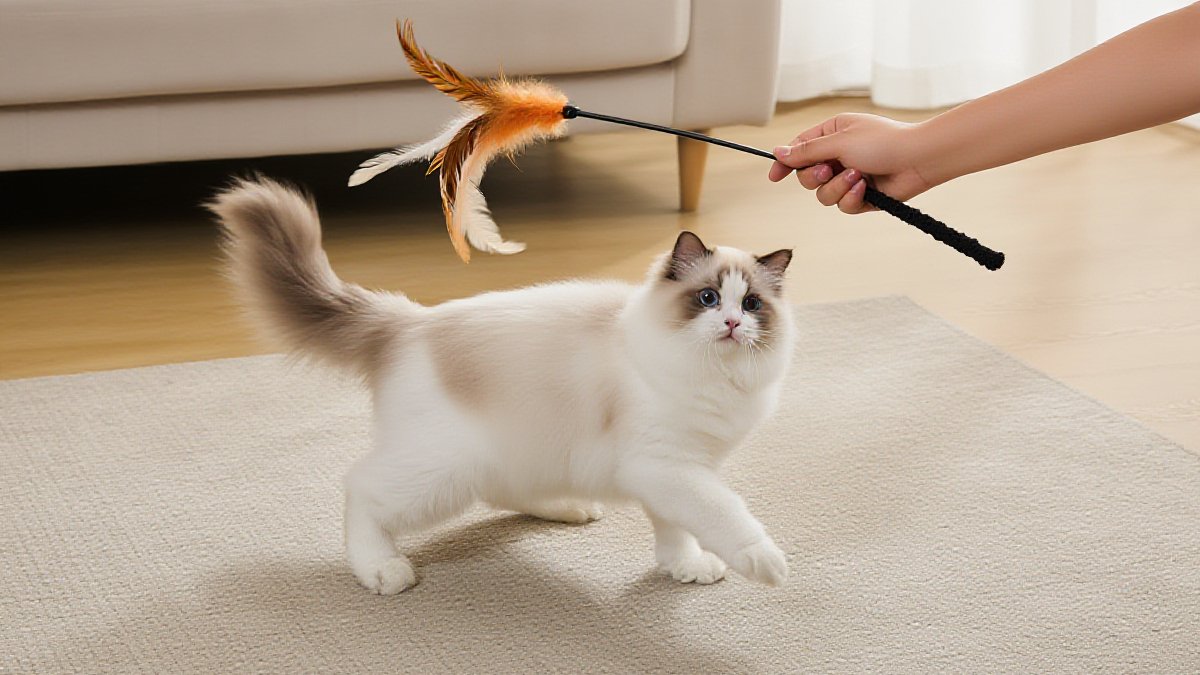
- Redirect excess energy: ten minutes with a wand toy before cuddle time takes the edge off a cat whose biting is partly play arousal. Never use hands as toys — ever — with kittens especially.
- Reward the calm: a small treat after a bite-free session pairs your touch with good outcomes. Over weeks, stretch the stroke count slowly. If you hit the bite threshold, you went too fast — drop back a level.
Love Bites, Play Bites, and the Ones That Need Help
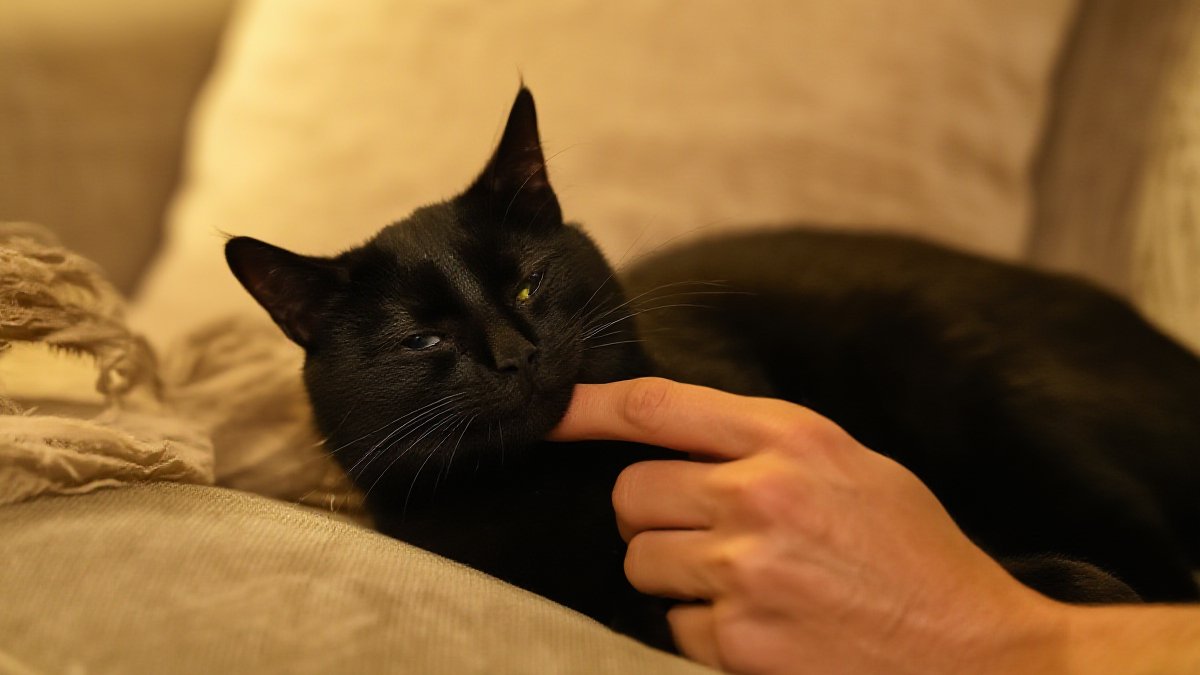
Not all petting bites are the same event. The gentle, almost ceremonial mouth-on-hand with zero pressure — the so-called love bite — is usually social grooming behavior gone slightly askew; it needs no fix beyond not rewarding it with more energetic petting. Play bites are the ones followed by the bunny-kick grapple; they are arousal and hunting sequence, and they respond to the toy-redirect rule above. The bites to take seriously are those that break skin, come with no warning at all, appear alongside fear behaviors, or represent a real change from the cat's lifelong pattern — those get a veterinary behavior conversation, and unprovoked severe attacks deserve a specialist.
What This Looks Like in Practice: Vet Trek House Call Practice, Winchester, VA
Behavior workups benefit from seeing the cat where the biting actually happens, which makes a house-call practice a genuinely good fit for this problem. Vet Trek House Call Practice in Winchester, Virginia — rated 4.9 stars across 42 owner reviews — brings the exam to the cat's own territory, watching how the cat responds to touch at home, in the favorite chair, without the car-carrier stress that makes clinic visits miserable for touchy cats. That context matters when the question is "is this pain, fear, or overstimulation," and reviews reflect how much owners value the low-stress format. The practice serves the Winchester area from its Oak Drive base, with the phone-consult format behavior questions often need.
Vet Trek House Call Practice
241 Oak Dr, Winchester, VA, 22603
Phone: (540) 877-3345
⭐ 4.9 (42 reviews)
Questions Cat Owners Ask About Petting Bites
Related guides that pair with this one: why cats stop using the litter box is the other big behavior-with-a-medical-ruleout, low-stress vet visits with the right carrier covers the handling stress behind many touch problems, and how to introduce a new cat to a resident cat addresses the arousal that sometimes surfaces as petting bites.
This article is editorial content produced by the CatVetFinder team. Clinic details are drawn from public listings and may change — always confirm hours and services with the clinic directly.