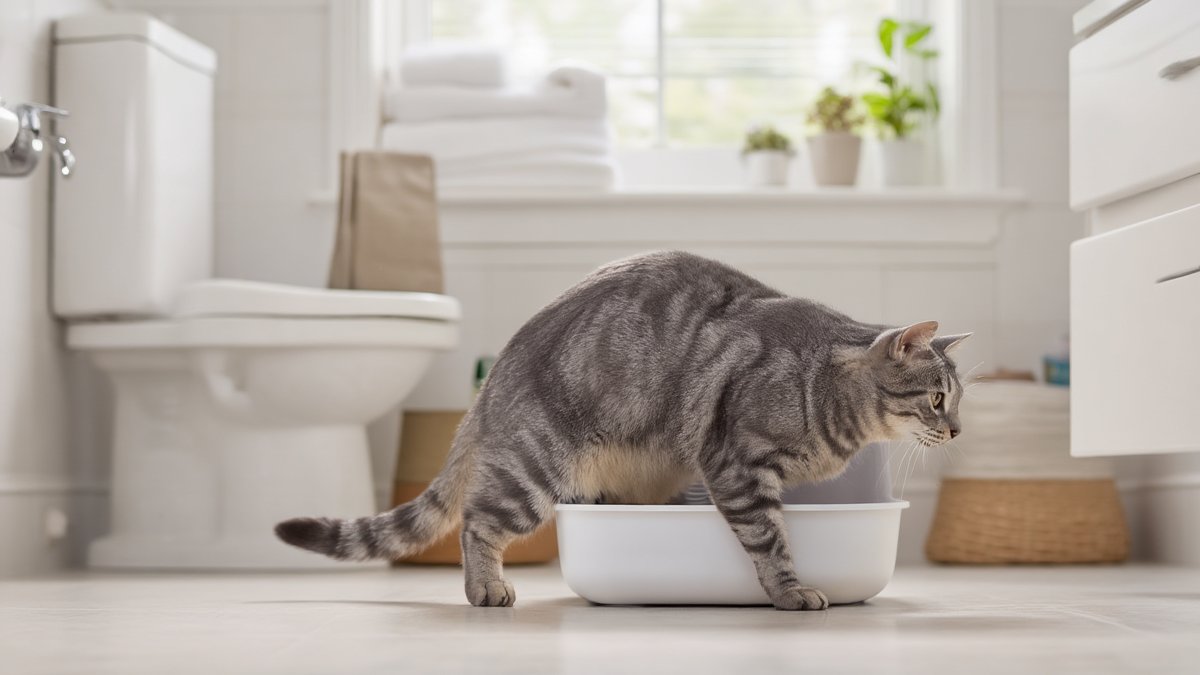
A cat that spends ten minutes squatting in the litter box and produces a thimbleful of urine, then walks away licking its belly, is telling you something specific. Most owners hear "bladder infection" and picture antibiotics, and then feel confused when the culture comes back clean. That confusion is nearly always feline cystitis — inflammation of the bladder wall — and one of its most stubborn features is that it frequently happens with no bacteria involved at all. Feline idiopathic cystitis, the version with no identifiable cause, is one of the most common diagnoses a cat clinic makes in young to middle-aged cats. The bladder is genuinely inflamed and genuinely painful; the infection that owners expect simply is not there.
The Cystitis Checklist: Signs Worth Writing Down
Cystitis produces a recognizable cluster of litter box behaviors, and the pattern matters more than any single sign. Before calling the clinic, run through this list and note which items your cat is actually showing — the answers genuinely change how a vet triages the case:
- Frequent trips to the box with little to show for it. Cats with an inflamed bladder feel the urge to urinate constantly, but each attempt produces only small amounts. Three or four unproductive visits in an afternoon is a red flag, not a quirk.
- Straining, especially in the litter box posture held much longer than usual. Straining is the sign that overlaps with the most dangerous scenario on this list — a blocked urethra — and it always deserves same-day attention.
- Blood-tinged urine. Pink, rust-colored, or tiny red specks in the box are classic for cystitis. Photograph it if you can; vets find a photo more useful than the most careful verbal description.
- Peeing in new places. Soft surfaces — laundry, beds, rugs — are the classic cystitis targets. This is not spite. A cat whose bladder stings starts associating the litter box itself with pain and goes looking for a surface that does not hurt.
- Excessive licking around the belly and rear. Cats respond to bladder pain the way they respond to any localized pain: by grooming over it, sometimes until the fur thins.
- Crying or acting restless during urination. Vocalizing in the box, pacing between attempts, or hopping out mid-stream all point to genuine pain.
Why There May Be No Infection — and Why Stress Matters More Than Owners Expect
The counterintuitive part of feline cystitis is the cause list. In dogs, bladder inflammation usually means bacteria. In young and middle-aged cats, most cystitis cases are sterile — the bladder wall is inflamed, the nerves feeding it are irritated, and no organism is cultured. That is why the condition is called idiopathic when nothing else explains it. What researchers have established is a strong association with stress physiology: the same stress response systems that influence pain processing and bladder lining integrity in humans appear to behave the same way in cats. That is why cystitis flare-ups cluster around real events — a move, a new pet, a new baby, houseguests, construction noise, a change in the household schedule, even a change of litter brand. The litter box accident that follows a stressful week is not the cat "acting out." It is the bladder reacting.
Own a Veterinary Clinic?
Enjoyed this article? Our editorial team researches, writes, and publishes professional features just like this one about clinics across the US. Get your practice in front of thousands of cat owners searching for a vet in your city.
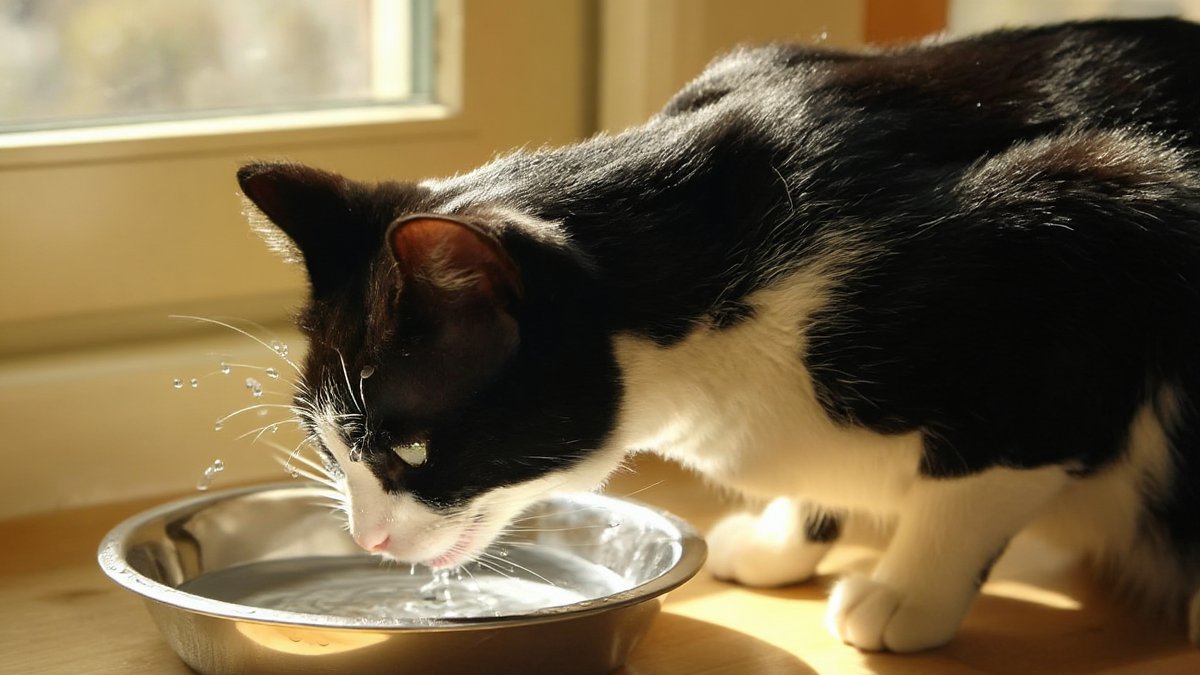
The other lever is water. Cats evolved as desert animals and drink reluctantly, which means many live chronically on the dry side of hydration, and concentrated urine is harsher on an inflamed bladder. This is the practical reason vets talk about wet food, water fountains, and extra bowls scattered around the house in almost every cystitis conversation. None of those steps cure an active flare-up, but they change the environment the bladder lives in, and in a condition that recurs by nature, environment is most of the long game.
What the Vet Workup Actually Involves
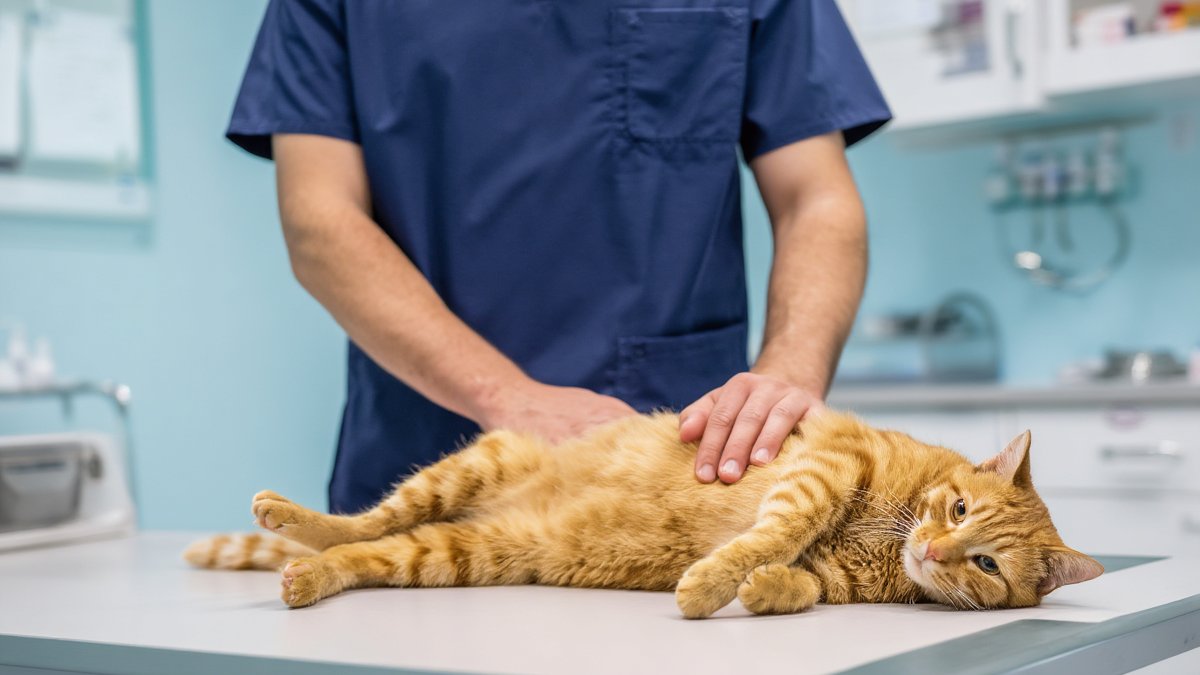
Because "cystitis signs" overlap with several other urinary conditions, the workup is a process of elimination, and it runs in a sensible order. A urinalysis comes first: it shows whether blood, crystals, or signs of infection are present in the urine. A urine culture distinguishes a true bacterial infection — which does occur, especially in cats over ten — from sterile inflammation. If crystals or stones are suspected, imaging with X-rays or ultrasound finds them, because bladder stones produce the same symptoms as idiopathic cystitis but need entirely different management. For a male cat who is straining, the first several minutes of the visit are about ruling blockage in or out before anything else, because that possibility reorders every other priority. Only after infection, stones, and blockage are excluded does the diagnosis settle on idiopathic cystitis — and that diagnosis comes with a plan aimed at pain control in the short term and stress and hydration management in the long term, because the condition is expected to recur in a meaningful share of cats.
A Worked Example: Exclusively Cats Veterinary Hospital, Waterford, MI
Exclusively Cats Veterinary Hospital
6650 Highland Rd # 116, Waterford, MI, 48327
Phone: (248) 666-5287
⭐ 4.8 (373 reviews)
Urinary complaints are among the most common reasons owners seek help for a cat, and the setting where those complaints get sorted out matters. Exclusively Cats Veterinary Hospital on Highland Road in Waterford, Michigan is a feline-only practice — no dogs in the waiting room, staff whose entire caseload is cats, and a facility designed around feline handling. For a cystitis workup that may involve repeated visits, urine cultures, and imaging, a cat-focused hospital is a genuinely practical advantage, especially for anxious cats whose stress level is itself part of the disease picture. The hospital holds a 4.8-star rating across 373 client reviews. If your cat is showing the signs above, call (248) 666-5287 and describe the litter box pattern you observed; owners elsewhere in metro Detroit can browse the full cat vets in Waterford, MI listing to compare nearby practices.
The Takeaway
Cystitis in cats is real bladder pain that frequently has nothing to do with bacteria, which is exactly why it refuses to behave like the "bladder infection" owners picture. Watch the litter box pattern, treat straining as a same-day emergency, expect a workup that rules out infection, stones, and blockage in that order, and take the stress-and-hydration advice seriously — in this condition, those unglamorous measures do more to prevent the next flare-up than almost anything else. A cat that pees comfortably and confidently is a cat whose bladder you cannot feel, and that is precisely the goal.
This article is editorial content produced by the CatVetFinder team. Clinic details are drawn from public listings and may change — always confirm hours and services with the clinic directly.