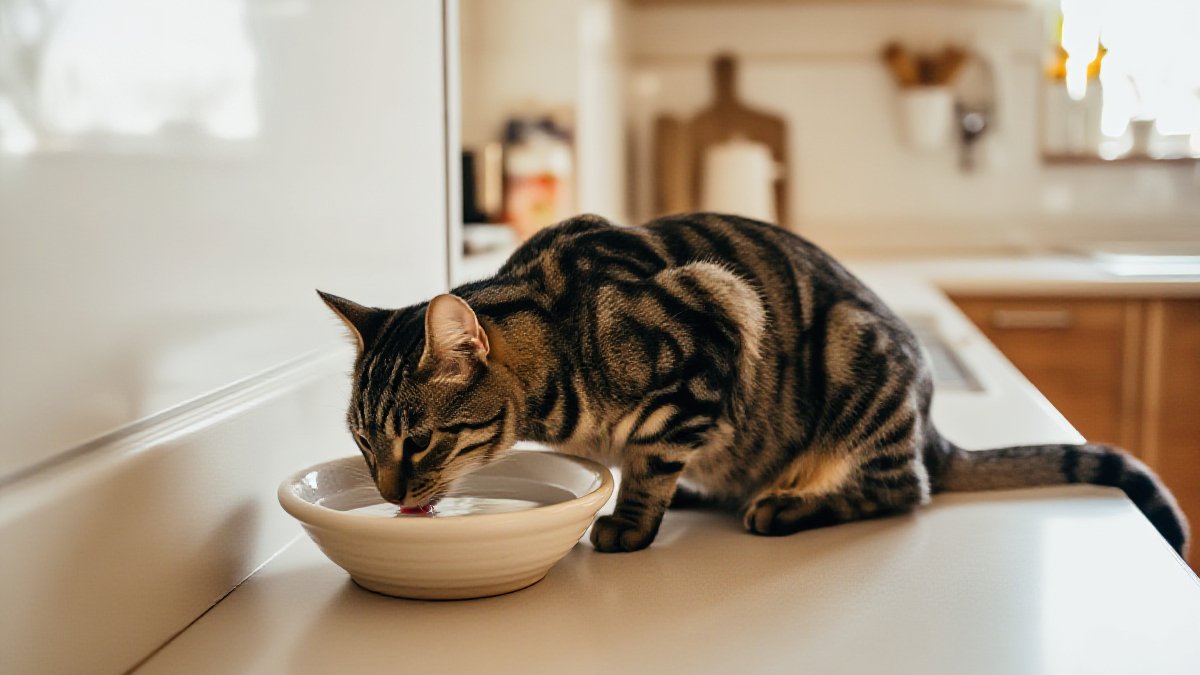
The owner usually arrives with the same story: they refilled the water bowl, and it kept emptying. Then they started noticing the litter clumps getting bigger, or the cat camped under the dripping faucet it used to ignore, and at some point the pieces clicked — this cat is drinking a lot. Some owners feel a little silly describing it, as though thirst were too vague to lead with. It is not. Increased thirst is one of the most clinically meaningful things an owner can report about a cat, and the reason is structural: cats evolved as desert animals who are supposed to sip almost nothing, so when the intake rises noticeably, something is usually driving it.
This guide walks the ladder from harmless causes to the three diseases that dominate the serious end of the list, gives you a concrete way to measure thirst at home, and lays out exactly what a diagnostic visit looks like.
Start Here: What a Cat Is Supposed to Drink
Own a Veterinary Clinic?
Enjoyed this article? Our editorial team researches, writes, and publishes professional features just like this one about clinics across the US. Get your practice in front of thousands of cat owners searching for a vet in your city.
A healthy cat takes in roughly 3.5 to 4.5 ounces of water per 10 pounds of body weight per day — and a cat eating wet food gets a large share of that from the food itself, so a wet-fed cat will barely visit the bowl. A dry-food-only cat legitimately drinks more, by design. A small kitten, a cat on a salt-heavy treat habit, or a cat panting through a heat wave can all run higher for perfectly benign reasons. The pattern that matters is change from your cat's own baseline: weeks of noticeably more drinking than the same cat used to do, in the same season, on the same food.
The Benign Explanations to Rule Out First
- Diet change — the day the dry-food household switched to wet, drinking drops; the reverse switch doubles drinking. Both are normal.
- Heat and exertion: summer rooms, radiators, and late-night zoomies all bump intake temporarily.
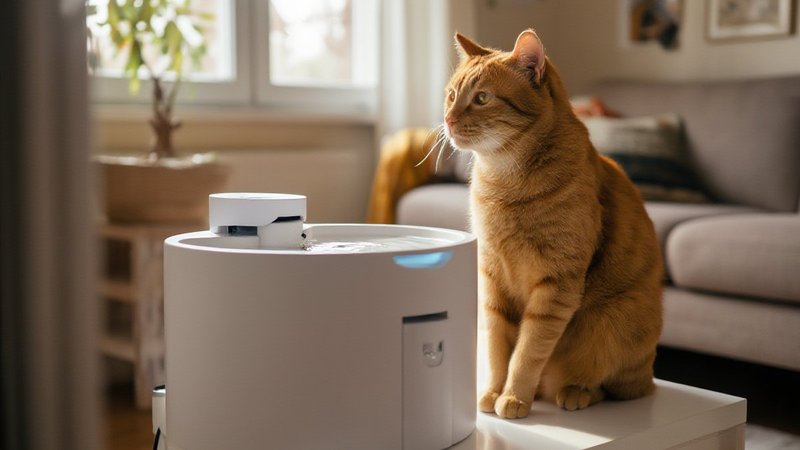
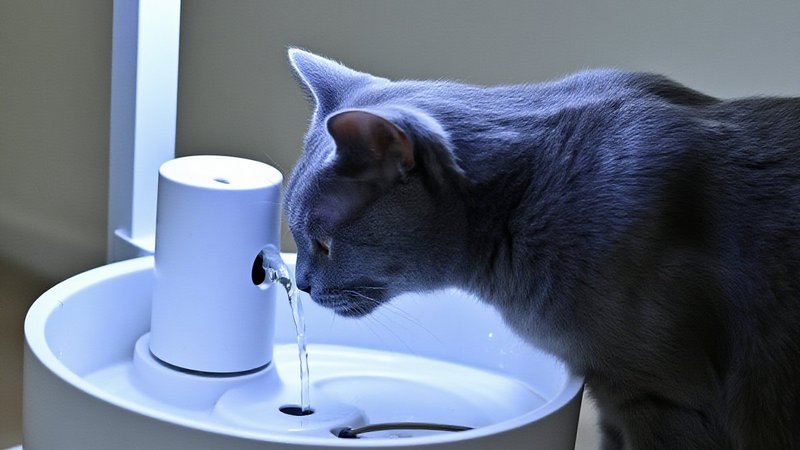
- A new water source the cat loves — many cats drink dramatically more from a fountain than from a stagnant bowl, simply because running water invites drinking.
- Medications, especially steroids (prednisolone), which drive thirst and urination as a direct side effect. If your cat started one recently, tell the vet the dates.
- Salty human food grabs and odd cravings — an occasional indulgence, but a habit worth stopping.
If none of those apply and the thirst is still climbing, the trio below moves to the top of the list.
The Three Diseases Behind Most Serious Thirst
Chronic kidney disease is the most common. Failing kidneys lose the ability to concentrate urine, so the cat produces large volumes of dilute urine — and drinks to keep up. Owners typically notice the drinking first and the urine second; bigger, paler, more frequent clumps are the co-star of this story. Kidney disease is progressive, but caught early it is manageable for years with diet, hydration support, and monitoring, which is exactly why the thirst signal is worth acting on.
Diabetes comes next, and its signature is thirst plus appetite plus weight: a cat who is drinking heavily, eating like it never will be full, and still losing weight. The mechanism is glucose spilling into urine and dragging water with it. Obese middle-aged cats are the classic demographic. Diabetes in cats is genuinely treatable — some cats even go into remission with early, aggressive management — which again rewards the owner who reported the water bowl before the weight loss finished.
Overactive thyroid (hyperthyroidism) rounds out the trio, mostly in cats over ten. It turns the metabolic rate up: hunger increases dramatically, weight drops anyway, activity can seem almost kittenish again, and thirst rises with the furnace running hot. Owners sometimes mistake the renewed energy for healthy aging until the weight curve betrays it. All three diseases share one diagnostic path: a blood panel and a urinalysis, usually same-day, from a single visit.
What This Looks Like in Practice: Francis Animal Hospital, Detroit, MI
The thirst workup is one of the most efficient visits in small-animal medicine, and a well-run general practice turns it around fast. Francis Animal Hospital on Woodward Avenue in Detroit, Michigan — rated 4.5 stars across 515 owner reviews — is the kind of neighborhood hospital where you can bring the three-day water log and a fresh urine sample and leave the same visit knowing whether this is kidney, thyroid, diabetes, or none of the above. That volume of reviews matters here: it reflects years of handling exactly these routine-but-urgent wellness questions for Detroit-area owners. Appointments run by phone, and the hospital serves the wider metro area from its Detroit base.
Francis Animal Hospital
19344 Woodward Ave, Detroit, MI, 48203
Phone: (313) 368-3366
⭐ 4.5 (515 reviews)
Questions Cat Owners Ask About Thirst
For the diseases behind serious thirst, read on: signs of kidney disease in cats, signs of diabetes in cats, and hyperthyroidism symptoms in cats each take one condition in depth — and the other side of the same symptom, when a cat stops drinking water, is the version of this problem that needs action within a day.
This article is editorial content produced by the CatVetFinder team. Clinic details are drawn from public listings and may change — always confirm hours and services with the clinic directly.