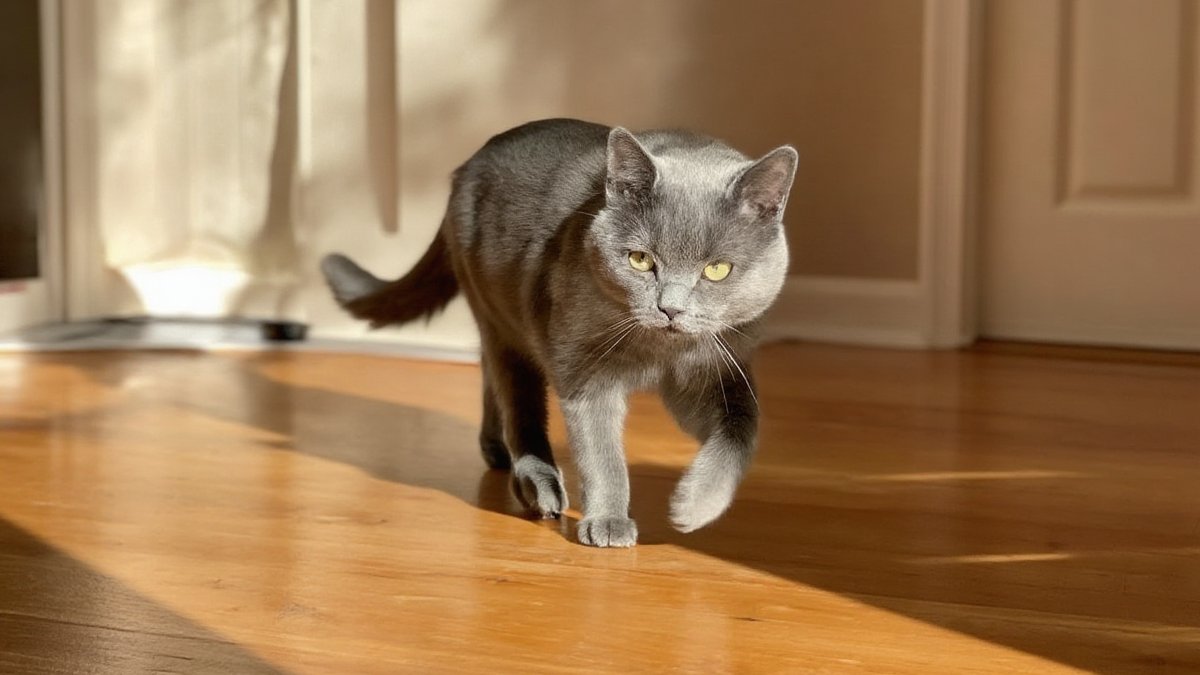
A limping cat is a strange kind of emergency: sometimes it is a splinter that resolves by dinner, and sometimes it is a fracture, a dislocated hip, or the first visible day of arthritis — and the cat itself will not tell you which. Cats mask orthopedic pain with more commitment than dogs do, so "still eating, still purring, still jumping on the couch" does not clear a limp the way owners hope it does. The questions below are the ones owners actually ask, in the order they usually come up, with the answers that decide whether you watch, call, or go.
Questions Cat Owners Ask About a Limping Cat
Own a Veterinary Clinic?
Enjoyed this article? Our editorial team researches, writes, and publishes professional features just like this one about clinics across the US. Get your practice in front of thousands of cat owners searching for a vet in your city.
What the Vet Does With a Limping Cat
The exam itself is straightforward: watching the cat walk, palpating each limb from hip to toe, checking the paw pads and claws, and — when the limp does not surrender its cause on the table — X-rays, which settle fracture, dislocation, and arthritis questions in one visit. Bite-wound abscesses are found by feel: a hot, tender swelling that may not be obvious until the fur is parted. What owners are often surprised by is how much of the diagnosis is motion, not machines — the way a cat places the limb at a walk, whether it rises off both front legs evenly, whether it refuses to jump at all. Video from home is genuinely useful here; a cat that limps only in the living room will often walk normally in the clinic.
The Home Plan While You Watch
- Confine to a small, safe room with litter, water, and soft bedding — movement is the enemy of both healing and accurate assessment. No climbing, no jumping, no access to tall furniture.
- Inspect gently: pads, toes, claws. Remove a visible thorn or glass shard only if it is superficial and the cat tolerates it; leave anything embedded for the vet.
- Check the litter box and food bowl each day. A cat that stops eating while limping has escalated from "sore leg" to "sick cat" and needs to be seen.
- Reassess the limp twice daily on the same flooring. Improvement within 48 hours supports the rest-and-watch plan; no improvement or any worsening ends it.
- Keep the cat indoors if it goes out at all. An outdoor cat favoring a leg is at risk of both further injury and, in unneutered neighborhoods, territorial fights that turn a sprain into an abscess.

What This Looks Like in Practice: Bressi Ranch Pet Hospital, Carlsbad, CA
Bressi Ranch Pet Hospital
2700 Gateway Rd, Carlsbad, CA, 92009
Phone: (760) 931-8431
⭐ 4.9 (366 reviews)
As a worked example: Bressi Ranch Pet Hospital, at 2700 Gateway Rd in Carlsbad, CA, holds a 4.9-star average across 366 reviews — a full-service hospital where a lameness workup, X-rays, and dental or surgical follow-up can all happen under one roof rather than being referred out. That matters for a limp, because the most common fork in the road (soft-tissue strain versus something that shows on film) is usually decided on the first visit, and having imaging in-house turns a two-trip problem into a one-trip one. Their team can be reached at (760) 931-8431, and Carlsbad owners comparing options can see the rest of the local field side by side.
The one-line summary to bring: "indoor cat, three-year-old, started limping on the front right yesterday morning, bears partial weight, no visible cut or swelling, eating normally." Which leg, when, how much weight, and what else is normal — that sentence plus the walking video gives the vet most of the diagnosis before the stethoscope comes out.
A final note on the quiet version of this topic: if your cat is not limping dramatically but has stopped jumping to the windowsill, hesitates at the stairs, or no longer sprints to the food bowl, that is arthritis presenting in slow motion. Senior cat arthritis signs is the guide for that pattern, cat emergency symptoms lists the trauma signs that skip the watch-and-wait phase entirely, and what diagnostic tests mean walks through the bloodwork and imaging a persistent limp may trigger.
This article is editorial content produced by the CatVetFinder team. Clinic details are drawn from public listings and may change — always confirm hours and services with the clinic directly.