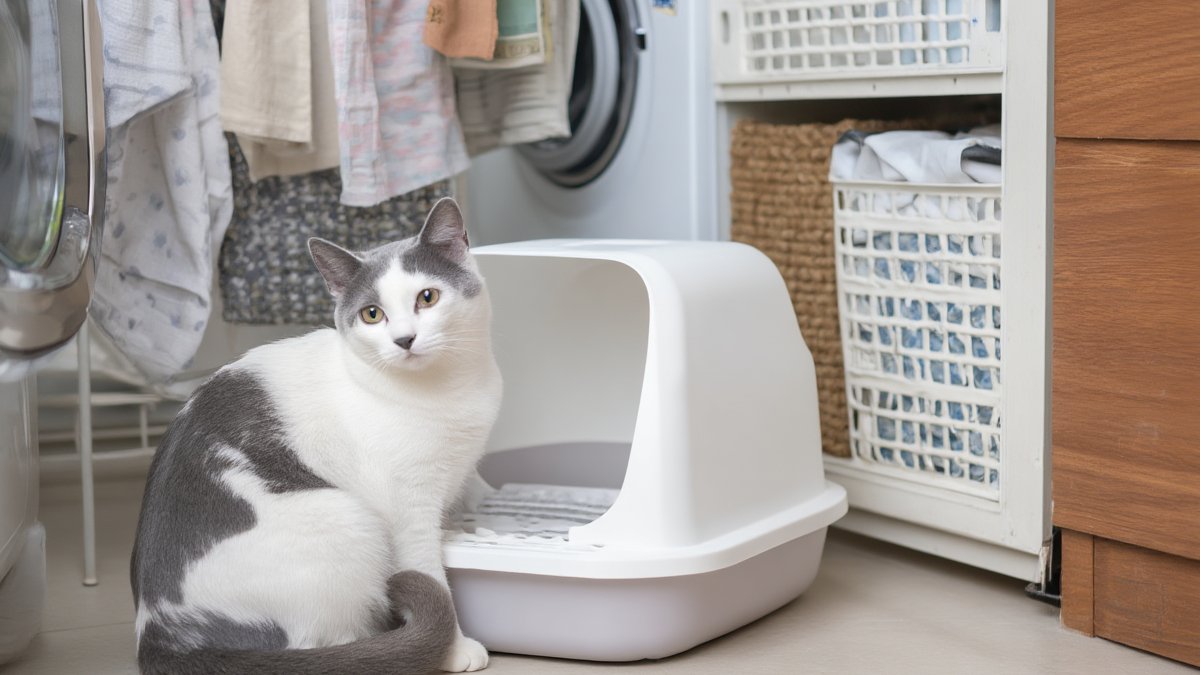
There are few household discoveries more demoralizing than stepping on a cat turd in the hallway at 6 a.m. The internet's instant answer — "it's behavioral, get another box" — is right often enough to be dangerous, because pooping outside the box can also be the first and only visible sign of constipation, arthritis, or intestinal disease.
The truth about this problem is that it always has a reason, and the reason usually lives in one of three buckets: something hurts, something about the toilet situation offends the cat, or something in the cat's world changed. Working the buckets in the right order — medical first, environment second, stress third — is what separates the people who fix this in a week from the people still cleaning floors in six months.
Why Poop Is a Different Complaint Than Pee
Cats who pee outside the box and cats who poop outside the box are often solving different problems. Urine marking and bladder pain have their own textbook; fecal problems skew harder toward physical causes. A cat with arthritis finds it genuinely painful to climb into a high-sided box, and a constipated cat starts associating the box with the feeling of straining, so he seeks a "better" spot — usually somewhere he can squat in comfort, like the middle of the tile. If your cat poops normally-shaped stools right next to the box, the box itself is the prime suspect. If stools are small, hard, and dry, or the cat spends long minutes straining, think constipation.
The Medical Causes to Rule Out First
- Constipation and megacolon: the top medical reason. Hard stool hurts to pass; the cat learns to avoid the place where it hurts. Older cats and dehydrated cats are the usual patients.
- Arthritis and joint pain: jumping a 14-inch box wall with sore hips is no fun. Watch for hesitating at the box edge or a stiff gait after naps — cats hide joint pain almost perfectly.
- IBD and food sensitivity: chronic inflammation means unpredictable urgency, and a cat caught mid-urgency has no choice about location. Loose or bloody stools are the flag.
- Anal gland issues and perianal pain: less common in cats than dogs, but inflamed glands or a painful tail-base injury can make every squat miserable.
- Parasites: giardia and worms cause urgency and accidents, especially in kittens and newly adopted cats. A fecal test costs little and answers quickly.
- Neurologic and age-related decline: senior cats who miss the box a little more each month may literally be losing the sensation or the mobility to make it in time.
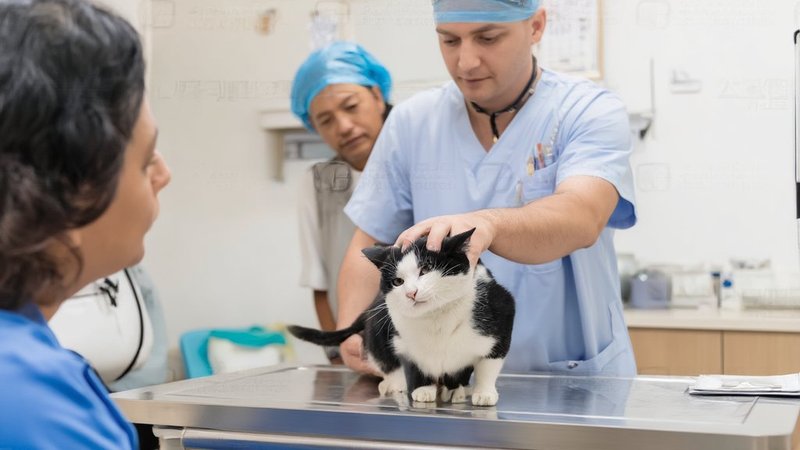
A practical rule: any pooping-outside-the-box problem that is new, worsening, or paired with a change in stool quality gets a vet visit before any training plan. Bring a fresh stool sample; it turns the visit from guessing to data.
The Litter Box Audit — What Offends a Cat
If the vet gives the all-clear, the box itself is next, and cats are surprisingly specific customers:
- Cleanliness: scooped at least daily. For poop specifically, many cats will not use a box that already contains stool — think of it as one toilet per cat, already occupied.
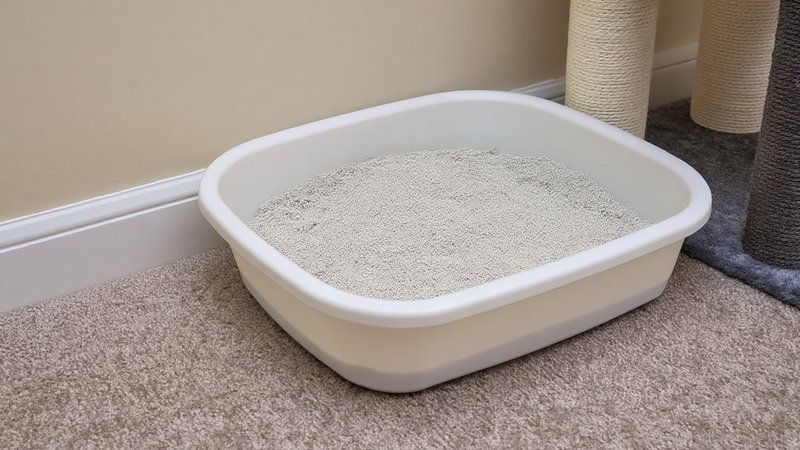
- Size and style: bigger is better; uncovered boxes trap odor and create ambush corners in multi-cat homes. High sides block arthritic cats; low entry invites them.
- Litter texture: unscented, fine-grained clumping litter is the majority preference. A recent brand switch is a classic trigger — switch back and change slowly if you must.
- Location and number: one box per cat plus one, on separate floors, away from washing machines and furnace closets. A startled cat in a noisy spot becomes a cat who poops in the quiet hall.
- The history test: did this start after a new litter, a moved box, a new pet, a guest, or a renovation? The timeline usually names the culprit for you.
Meadows Cat Hospital
1480 NW Gilman Blvd # 6, Issaquah, WA, 98027
Phone: (425) 392-8770
⭐ 4.8
Re-Training: How to Actually Stop It
Once the cause is addressed, the re-training playbook is consistent:
- Clean accident spots with an enzymatic cleaner, not ammonia-based products — old scent marks are invitations.
- Place a temporary litter box at the accident site, then move it an inch or two toward the proper location every few days. Cats follow their own habit trail.
- Add attractive options at the "official" locations: an extra large uncovered box, a new unscented litter, and a box for every cat plus one.
- Never punish. Rubbing a cat's nose in it, or trapping the cat in a room with the box, reliably makes the problem worse and the cat less trustful.
- Reward success casually — a quiet "good" and a treat near the box — and log accidents for two weeks. If the pattern persists past medical treatment and box fixes, it goes back to the vet with your notes.
When It Is Stress, Not the Box
Cats express household stress in the litter box, and poop is a common medium. New babies, new pets, a partner moving in, a work schedule that flipped, even a neighbor's outdoor cat visible through the window can do it. Stress-related cases respond to restoring predictability: fixed feeding times, play sessions that burn the day's energy before evening, vertical space like cat trees, and — in stubborn cases — a synthetic pheromone diffuser or a short anti-anxiety trial prescribed by your vet. In multi-cat homes, a cat who gets ambushed near the box by a housemate often develops a personal poop spot somewhere the bully never goes. Separating resources and feeding cats in different rooms does more for this than any litter.
Own a Veterinary Clinic?
Enjoyed this article? Our editorial team researches, writes, and publishes professional features just like this one about clinics across the US. Get your practice in front of thousands of cat owners searching for a vet in your city.
The bottom line: poop outside the box is information, not spite. Medical first, box audit second, stress third — in that order, most cases end within a couple of weeks. Related reading: why newly adopted cats hide and how long adjustment takes explains how stress-driven habits form, and why cats overgroom to bald spots covers another stress signal that pairs with litter box complaints.
This article is editorial content produced by the CatVetFinder team. Clinic details are drawn from public listings and may change — always confirm hours and services with the clinic directly.