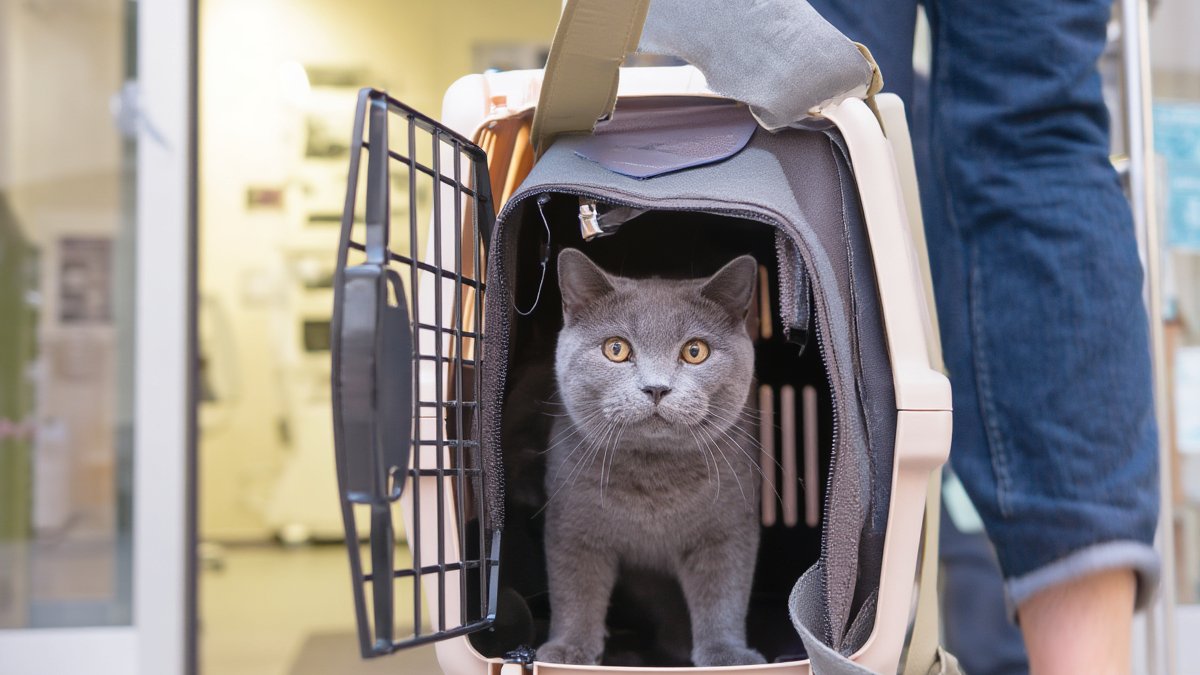
The surgery itself happens in an operating suite, but whether it goes smoothly is decided at home, in the two days before drop-off. Anesthesia prep is one of those topics where the details are unglamorous and absolutely load-bearing: when the food bowl goes down, whether the water stays out, what the carrier looks like, and which medications go that morning. It is also the topic owners quietly worry about most, because “my cat will be asleep and I won’t be there” is a rational fear — the honest answer to which is that feline anesthesia is safer than ever, and almost every avoidable risk sits on the preparation side. Here is the timeline, day by day.
Two to Three Days Before: The Quiet Setup
Confirm the specifics with the clinic before assuming anything generic: fasting windows vary by practice, by procedure, and by the cat’s age and health, and the instructions your clinic gave are the ones that count. This is also the window for the pre-anesthetic conversation — for senior cats, cats with a heart murmur, or cats with any chronic condition, most practices run pre-anesthetic bloodwork and sometimes an ECG or blood pressure check in the days before, precisely because a normal-looking cat can still hide a kidney or thyroid problem that changes the anesthetic plan. At home, do the boring things now: if your cat hates the carrier, leave it out open, with a blanket inside, so it becomes furniture instead of a trap getting a cat into a carrier; if your cat is a door-dasher, plan the morning so the carrier never has to cross a busy household at the same moment as three other things. Confirm which of the cat’s regular medications are given that morning and which are held — that answer differs by drug, and it is a phone call, not a guess.
The Night Before and the Morning Of
Own a Veterinary Clinic?
Enjoyed this article? Our editorial team researches, writes, and publishes professional features just like this one about clinics across the US. Get your practice in front of thousands of cat owners searching for a vet in your city.
- Evening: pick up food per the clinic’s fasting window — commonly a full night’s fast for adult cats, with shorter or modified windows for kittens, diabetics, and seniors (kittens should never be fasted long; their tiny reserves make low blood sugar a real risk). Water is often left out overnight and removed in the morning; follow the clinic’s exact instruction.
- Morning: no breakfast, no treats, no counter-surfing freelancing — in a multi-cat house, feed in separate rooms or the fasting cat will find the bowl. If a pill was cleared to go with the cat, give it exactly as directed.
- Carrier setup: hard-sided carrier, absorbent pad or towel inside, and a blanket that smells like home. Line it against accidents — fasting does not stop a nervous bladder.
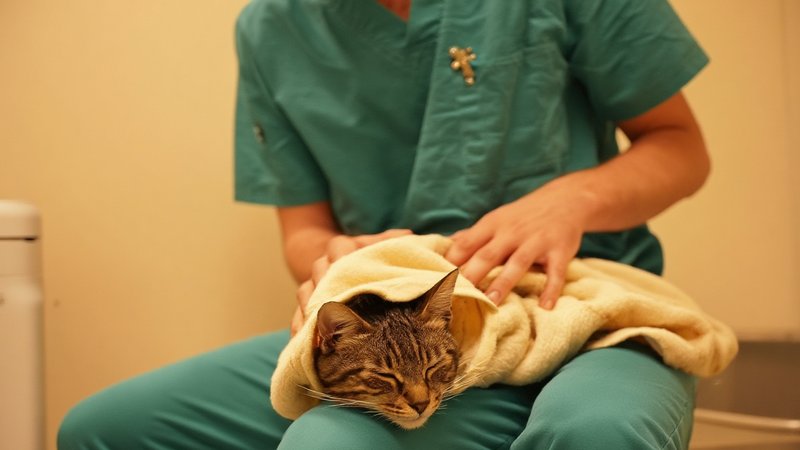
- Drop-off: arrive with the timeline written down — when the cat last ate and drank, any medications, anything abnormal you have seen. That history is what the anesthetic team actually works from, and “she had a treat on the way” said on arrival is far better discovered there than improvised.
- Pickup plan: confirm the discharge time, ask what the cat will be like when collected (wobbly, quiet, wrapped warmly), and arrange a quiet house for the evening. The ride home is usually the calmest part of the cat’s week.
After Pickup: What Is Normal and What Is Not
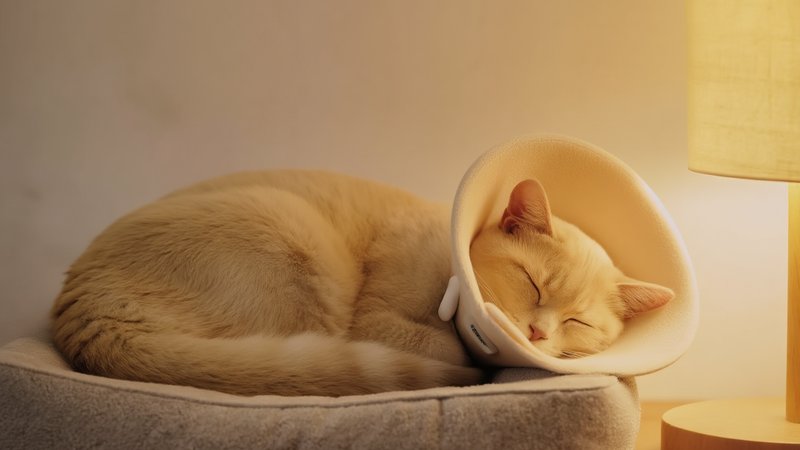
Expect a quiet, wobbly, extra-sleepy cat for the first evening — that is the anesthetic wearing off, not a problem. Keep the cat in one room overnight, warm and low-traffic, with easy access to a litter box; a cat that cannot walk straight should not be negotiating stairs. No jumping from furniture (easier said than enforced — some owners use a small recovery pen), keep the cone or soft collar on as directed even when the cat appears miserable, and do not offer a feast: a few small sips and a small meal later in the evening is the usual script. Red flags for the first 24–48 hours are specific: repeated vomiting rather than one episode, refusal of all water by the next morning, bleeding or swelling at the incision, incision edges separating, labored breathing, or the cat unable to rouse at all. Those are same-day calls cat emergency symptoms. One or two quiet vomits in the first evening is common and worth a mention at the recheck cat vomiting when to worry.
What This Looks Like in Practice: Pekin Animal Hospital, Pekin, IL
Pekin Animal Hospital
221 Margaret St, Pekin, IL, 61554
Phone: (309) 347-6674
⭐ 4.6 (296 reviews)
As a worked example: Pekin Animal Hospital at 221 Margaret St in Pekin, Illinois holds a 4.6-star average across nearly 300 client reviews — the depth of feedback that comes from years of routine surgeries, spays among them, and the discharge routines that make them predictable. A prep consult there settles the fasting window for your specific cat (the senior and kitten variants are exactly the cases where a generic internet instruction is wrong), what pre-anesthetic screening is recommended, and how the pickup evening should run. Call (309) 347-6674, and Pekin owners weighing where to schedule can compare the local options first.
The Short Version for Skimmers
Confirm the fasting window with your clinic rather than the internet; bloodwork for seniors and kittens matters; carrier out early; the morning is no food, water per instruction, separate rooms in multi-cat houses; the evening is one room, warmth, small sips, and patience. Normal is sleepy and wobbly; not-normal is repeated vomiting, no water by morning, incision trouble, or labored breathing — and those move from monitoring to calling. Recovery questions after a spay specifically are covered in what spay recovery looks like.
This article is editorial content produced by the CatVetFinder team. Clinic details are drawn from public listings and may change — always confirm hours and services with the clinic directly.