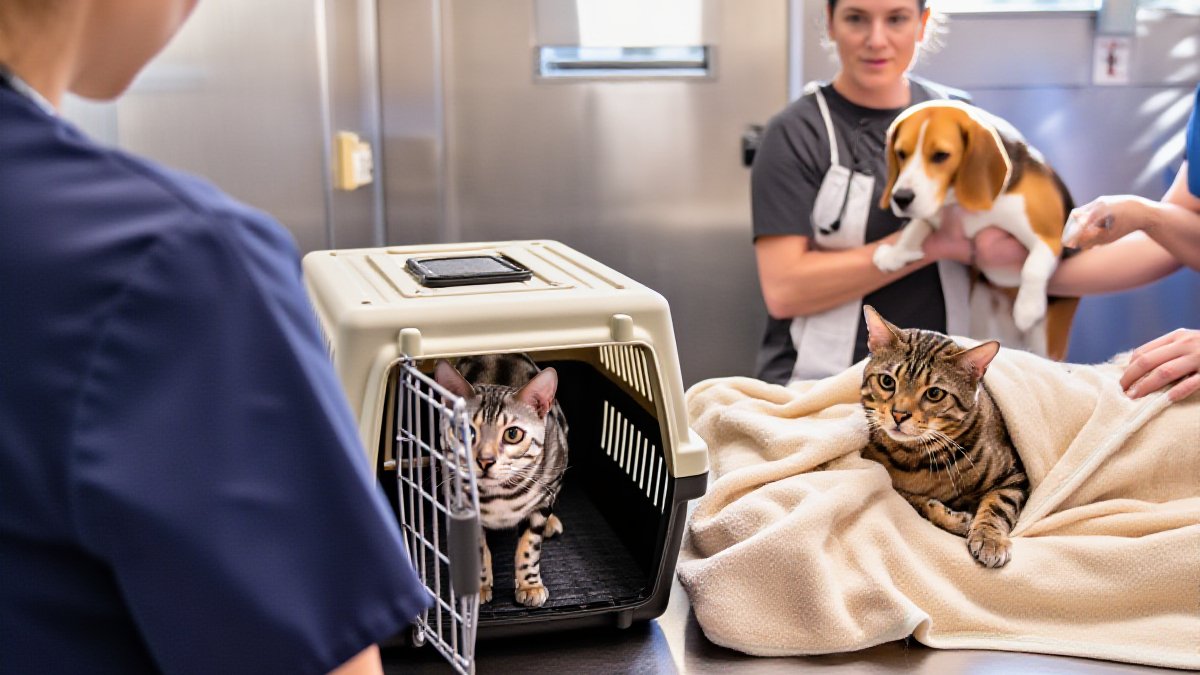
Every surgery consult in San Bernardino ends the same way: the veterinarian finishes explaining the procedure, asks "any questions?", and the owner — holding a carrier with a cat in it — says no. The questions arrive three days later at 11 PM, typed into a search bar. So we collected the real ones. How safe is anesthesia for a fourteen-year-old cat, actually? What does a recovery timeline look like hour by hour? Which aftercare rules genuinely matter and which are folklore? The answers below are the honest, version-with-caveats ones, and they end at a place every Inland Empire owner eventually needs: a hospital in your city that does this work every week, holds a 4.5-star average across 625 reviews, and takes the phrase "dog & cat" seriously enough to put both in its name.
San Bernardino is a big, spread-out city — the largest landmass in the Inland Empire at roughly 220,000 people — and its cat owners drive past half a dozen strip-mall clinics to reach the one they trust. Surgery is the moment that choice pays off or punishes you, because surgical care is not a commodity: it is pre-anesthetic judgment, hands that have done hundreds of these, and a recovery plan someone actually walks you through. That is what the FAQ below is really screening for.
The Questions, in the Order People Actually Ask Them
Own a Veterinary Clinic?
Enjoyed this article? Our editorial team researches, writes, and publishes professional features just like this one about clinics across the US. Get your practice in front of thousands of cat owners searching for a vet in your city.
The Five Aftercare Rules That Actually Matter
- Contain the zoomies. The e-collar rule is really a speed limit rule — a cat sprinting across a living room at day 3 can pop internal sutures that licking never touches. One closed room with the top of a dresser available beats free run of the house.
- Check the incision twice a day. You are looking for a thin line that stays dry and slightly pink. Spreading redness, swelling that squares off like a pillow, discharge, or a smell means the clinic call happens now, not after the weekend.
- Feed normally by day two. Anesthesia dulls appetite for a day; hunger past that is fine and healing needs the protein. The cat that refuses everything for 48 hours post-op needs a phone call, especially after dental work.
- Keep the litter shallow and clean. A deep box or one piled with yesterday’s clumps makes a cat squat differently or avoid the box — either can mean a Constable-length conversation with your vet about what is now also wrong. Scoop daily during recovery week.
- Do not bathe, do not apply anything. No ointments, no hydrogen peroxide, no water near the incision unless the discharge instructions say so explicitly. The ten-to-fourteen-day no-bath rule is not negotiable.
Where San Bernardino Cat Owners Go for This
All of the above assumes a clinic that will answer these questions before the surgery date and take your call on day four after it. West Highland Dog & Cat Hospital at 1795 W Highland Ave has been the practice San Bernardino owners land on for exactly that reason — a 4.5-star rating earned across 625 reviews is not a lucky month, it is years of dogs and cats moving through the same surgical suite with owners who felt informed rather than sold to. The hospital’s phone is (909) 887-5021; if you are comparing surgical options across the city, the cat vets in San Bernardino, CA directory is the honest place to start, and the hospital’s own profile — West Highland Dog & Cat Hospital — has the full contact record.
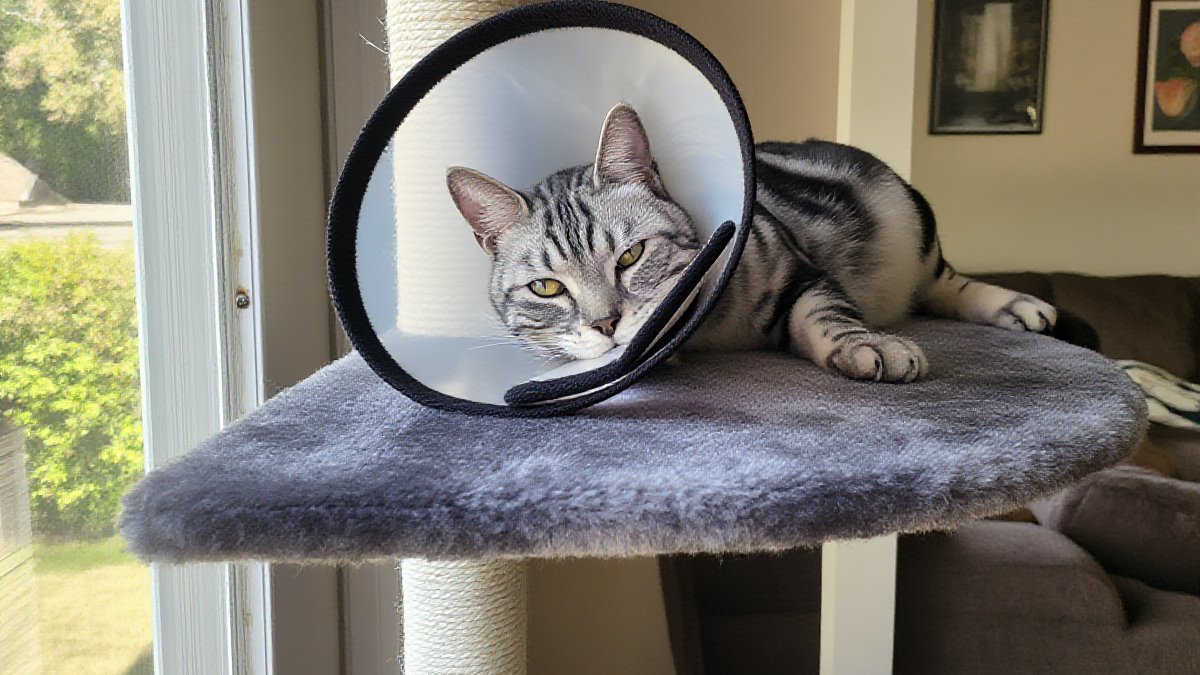
The pattern behind every good surgical outcome is unglamorous: labs before anesthesia, a cone for fourteen days, pain meds on schedule, and an owner who checks the incision twice a day instead of hoping. San Bernardino has the veterinary infrastructure — the city’s clinics do hundreds of these procedures a year, and the Riverside cat vet directory extends the field if you are on the east side of the county line. Pick the practice that answers the questions while the cat is still in the carrier, because the night-11-PM search bar is a poor substitute for a phone that gets answered.
West Highland Dog & Cat Hospital
1795 W Highland Ave, San Bernardino, CA, 92411
Phone: (909) 887-5021
⭐ 4.5 (625 reviews)
This article is editorial content produced by the CatVetFinder team. Clinic details are drawn from public listings and may change — always confirm hours and services with the clinic directly.