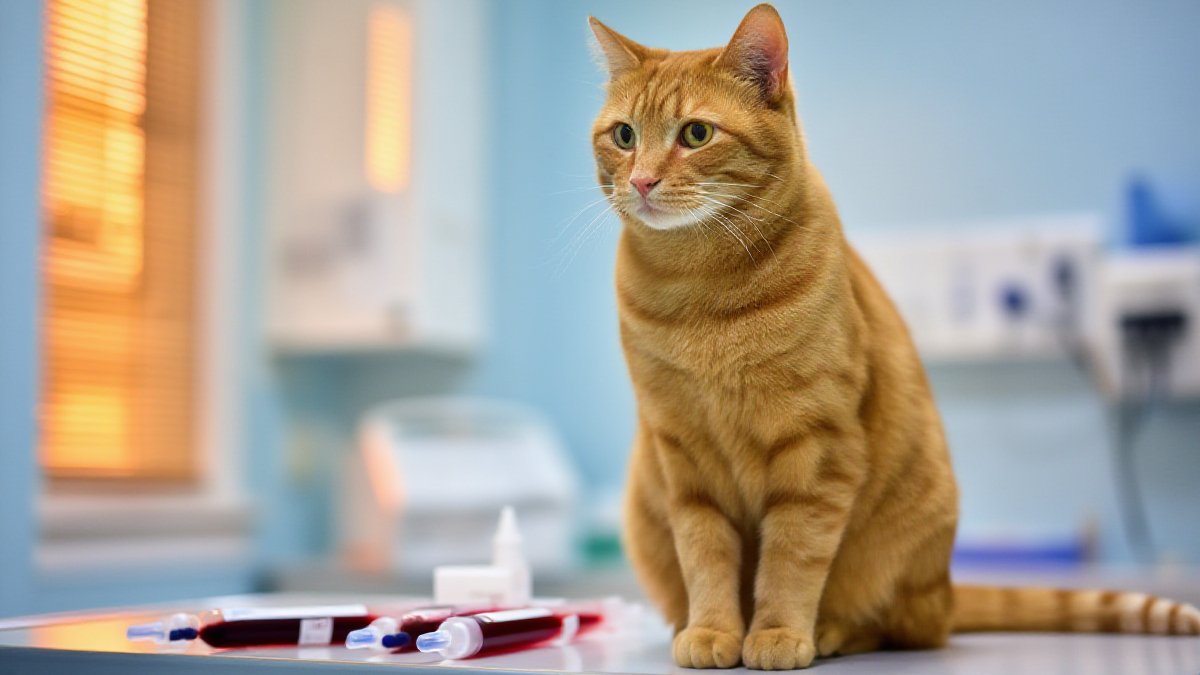
There is a number most owners semi-remember from childhood — "cats live about nine years," or the even older misreading of the phrase nine lives — and almost every indoor cat now outlives it by double. The real math looks like this: a kept-indoors, reasonably well-cared-for house cat in the United States averages somewhere between 13 and 17 years, a meaningful share reach 20, and a well-documented few pass 30. Outdoor-access cats average a fraction of that, not because the outdoors is evil, but because cars, dogs, infections, and toxins collect their toll in units of cat-years.
The more useful question is not the average — averages are cemeteries and math, as the statisticians say — but what separates a cat that coasts to 14 from one that is still complaining about breakfast at 19. The answer is unglamorous: weight kept off, teeth kept clean, bloodwork kept annual, and the changes that get dismissed as "old age" actually investigated. This article walks through the lifespan numbers, what changes at each age, and exactly which interventions move the curve.
The Lifespan Numbers, Without the Sugar-Coating
Veterinary lifespan studies differ in methodology but agree in shape. Indoor-only cats in the US commonly reach their mid-teens; mixed-population averages (all cats, including strays and outdoor-access cats) sit closer to 9–11 years, which is where the old folk figure comes from. Purebreds run slightly shorter overall than random-bred domestic shorthairs, with some exceptions — Siamese are famously long-lived, and several brachycephalic-loving breeds carry more early problems. Sex and sterilization matter too: neutered and spayed cats live significantly longer on average, partly because roaming and behavior-driven risk mostly disappears.
A note on survivorship bias, because it warps every pet-forum thread on the subject: the "my cat lived to 23 eating supermarket food" stories are real, but they are the extreme tail, selected precisely because they happened. The controllable factors below shift the whole distribution, not the headline anecdote.
What the Years containers: A Cat Age by Age Maintenance Map
| Life stage | Roughly | What the vet focuses on | What the owner should be doing |
|---|---|---|---|
| Kitten (0–1 yr) | the first 15 "cat years" | Core vaccine series (FVRCP, rabies), FeLV testing, spay/neuter timing, parasites | Socialization, safe indoor environment, getting the vet-visit habit started early |
| Young adult (1–6 yr) | Prime years | Annual exam, dental grading, baseline weight | Weight discipline — obesity started young is the single biggest lifespan thief |
| Mature (7–10 yr) | Middle age | Annual exam plus first senior bloodwork and blood pressure around 8–10 | Watch weight change in either direction; note water intake and litter box habits |
| Senior (11–14 yr) | Human "60s–70s" | Twice-yearly exams, senior panels, blood pressure, thyroid, urine checks | Little changes that matter: water bowl math, easier jumps, joint comfort |
| Geriatric (15+) | The bonus rounds | Twice-yearly panels, weight and muscle tracking, kidney and blood pressure monitoring | Comfort adaptations at home; early attention to appetite, water, mobility shifts |
Own a Veterinary Clinic?
Enjoyed this article? Our editorial team researches, writes, and publishes professional features just like this one about clinics across the US. Get your practice in front of thousands of cat owners searching for a vet in your city.
If there is one line worth memorizing from that table: after age 10, cats should be seeing the vet twice a year, not annually. Diseases that progress in months get found in months, not in the annual surprise.
The Things That Actually Move the Lifespan Curve
- Keeping cats indoors — the biggest single variable, worth more years than every other item on this list combined. It removes the highest-rate killers: traffic, roaming animals, infectious disease exposure, and toxins.
- Weight control. Obese cats face measurably higher rates of diabetes, arthritis, and urinary disease — the three lifespan-bending conditions of middle age. A cat whose spine and ribs you can feel but not see is on the right side of this.
- Dental care. Chronic dental infection is pain with a direct route into the bloodstream — and, more practically, a cat who eats comfortably eats consistently. Ignored teeth shorten lives in slow, boring ways.
- Early disease screening. Senior cats hide kidney and thyroid disease for months; the twice-yearly senior panel is what turns a late diagnosis into an early management plan. Our guide to [[what a cat blood test actually checks|/blog/cat-diagnostic-tests-explained/]] explains what those panels measure.
- Vaccination kept current even for indoor cats. Rabies vaccines are legally required in nearly every US jurisdiction regardless of lifestyle, and FVRCP protection matters for the bat or dog that gets into the house — the classic "indoor-only" risk nobody plans for.
- Enrichment and dental-friendly play. Less quantifiable, but consistent: cats with predictable routines, climbing options, and interactive play stay mobile longer. It is hard to put a number on, easy to see in 17-year-olds who still chase a wand toy.
The Diseases That Steal the Later Years
Three conditions do nearly all of the lifespan-shortening in indoor cats, and all three are detectable early:
Chronic kidney disease — the most common serious illness of older cats, and quieter than owners expect. The early symptoms (drinking more, subtle weight loss, an expensive new enthusiasm for the water faucet) track closely with what our kidney disease guide covers. Caught early, it is managed for years; caught late, the timeline compresses hard.
Hyperthyroidism — the trickster, because it presents as the "great for her age" package: older cat eating voraciously, losing weight, vocal at midnight, seemingly full of energy. That is disease, and it is treatable. Left unchecked, it rains damage onto the heart and, eventually, the kidneys. The symptom picture is in our guide to hyperthyroidism in cats.
Diabetes mellitus — strongly weight-linked, and for that reason one of the most preventable of the three. The signs — drinking more, urinating more, a bottom-half-heavy walking pattern from nerve involvement — respond best when caught in the mild stage. Our diabetes signs guide has the full picture.
What This Looks Like in Practice: NOHO Urgent Care Animal Hospital, North Hollywood
Abstract advice is easier to use with a real practice attached to it, so here is what the long-life maintenance plan looks like at a neighborhood hospital in the east San Fernando Valley: NOHO Urgent Care Animal Hospital on Vineland Avenue. The clinic holds a 4.3-star rating from over 260 area reviews and pairs standard wellness care with urgent-care capacity in the same building — which matters for a senior cat, because the difference between "let's watch that this week" and "get seen today" is often just having a known clinic that can take you in. Open into the evening hours seven days a week, and their service list covers the aging-cat toolkit in one place: in-house laboratory testing for same-visit bloodwork results, digital X-rays, dental care, illness and injury treatment, plus routine annual exams and vaccinations.
NOHO Urgent Care Animal Hospital
5160 Vineland Ave, North Hollywood, CA, 91601
Phone: (818) 514-4551
⭐ 4.3 (264 reviews)
For the lifespan question specifically, the practical value of a practice like this is continuity: a cat whose baseline bloodwork, weight, and dental grades are already on file gets flagged on drift, not on crisis — the trend nobody sees week to week but any clinic can plot across years. The urgent-care side is the other half of the pact: senior cats decompensate faster than young ones, and having an established hospital that offers same-day urgent slots means a "he didn't eat breakfast" call doesn't have to become an overnight wait for a Saturday opening elsewhere.
Where Care Money Gets Wasted (and Where It Counts)
- Boutique "longevity supplements" and anti-aging pet wellness fads. There is no supplement with evidence of extending feline lifespan. The boring, proven interventions are weight, teeth, and bloodwork.
- Skipping the senior panel because the cat "seems fine." The diseases that shorten lives are silent until they are late; the panel is the tool that makes them loud early.
- Annual-only visits for cats over 10. The gap a year leaves in a 13-year-old's health catches diseases in the late instrument range instead of the early one.
- Overfeeding as affection. Treats are fine; a cat kept lean at 3 is a cat with functional joints at 13. "But he begs" is a training problem, not a nutritional requirement.
- Skipping the carrier training. A cat who fights the carrier means every scheduled appointment becomes negotiable — and it is the senior years, when visits matter most, that the fight wins. Our guide on [[getting a cat into a carrier without the battle|/blog/cat-carrier-low-stress-vet-visits/]] fixes this cheaply.
The orange tabby who opens this article's imagery is a stand-in for the average: a cat whose family kept him lean, kept him indoors, kept his panels current from age 8, and — now past 16 — runs a diabetes watch on his water bowl photo history while joking about his "second set of kitten years." The old-folks-home cats of every veterinary clinic's waiting room tell the same story in different breeds: not luck, or not mostly luck. Maintenance.
Questions Owners Ask About Cat Lifespan
Long life in cats is mostly a series of unglamorous decisions made monthly. Related reading: what senior cat arthritis looks like and the early signs of cat kidney disease — two conditions that, caught early, cost the least and give back the most years.
This article is editorial content produced by the CatVetFinder team. Clinic details are drawn from public listings and may change — always confirm hours and services with the clinic directly.