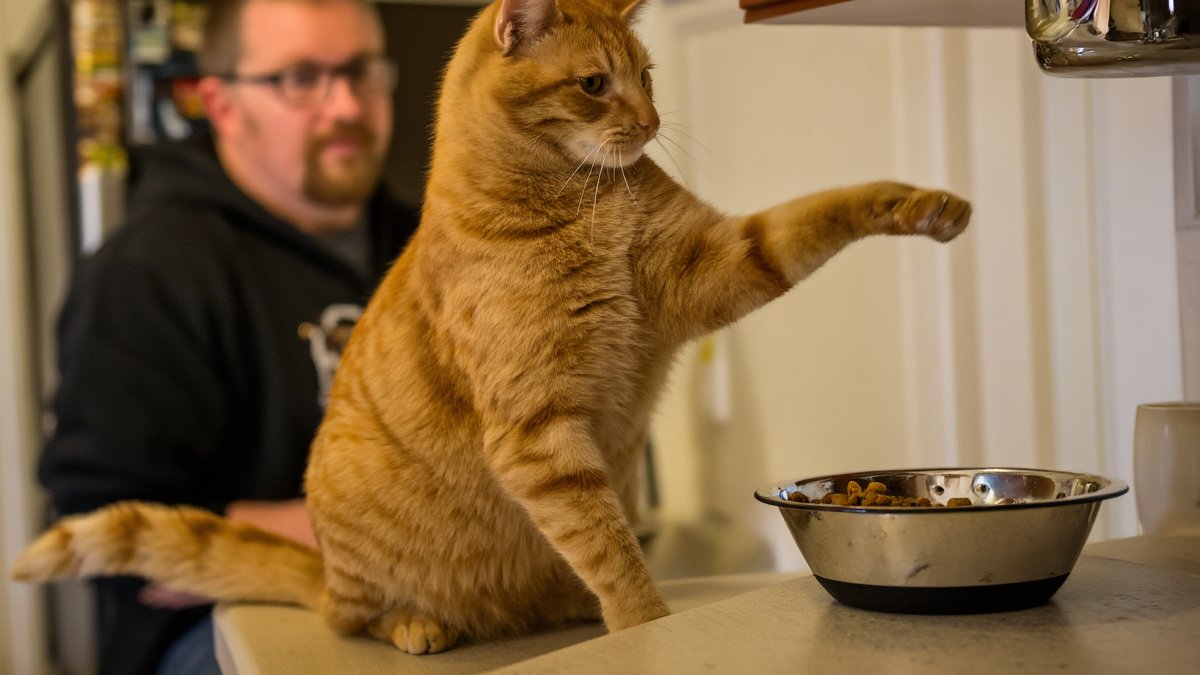
The bottomless cat is one of the funniest and most unsettling things a cat owner can live with. You feed breakfast; by ten the cat is auditioning for lunch. A stranger opens the fridge and suddenly there is a cat, materialized, doing its best "I have never been fed in my life" face. Most owners eventually ask the question that brings them here: why is my cat always hungry? The honest answer is that a ravenous appetite is a symptom with a short, useful differential list — sometimes it is diet or boredom, and sometimes it is one of three medical conditions that specifically rev a cat’s hunger into overdrive. This guide walks that list the way a good feline vet would, starting with the benign explanations and ending with the ones that deserve a blood test rather than a bigger bowl.
Own a Veterinary Clinic?
Enjoyed this article? Our editorial team researches, writes, and publishes professional features just like this one about clinics across the US. Get your practice in front of thousands of cat owners searching for a vet in your city.
First, the Ordinary Reasons Cats Act Starving
Start here, because most always-hungry cats are not sick — they are fed in a way that does not satisfy them. Dry food is the usual culprit: kibble is calorie-dense and digests fast, so a cat eating two small scoops a day is genuinely hungry between meals even though the calories add up. Free-feeding a dry bowl teaches the same lesson in reverse — the cat learns that grazing never ends and yet never feels full. Boredom is the third ordinary cause. A cat with nothing to do but eat, sleep, and watch the hallway has learned that hunting the food bowl is the best entertainment available. Weight matters too: a cat carrying extra pounds genuinely needs fewer calories than its begging suggests, and giving in simply moves the goalposts.
The Three Medical Reasons That Explain a Real Bottomless Pit
Three feline conditions classically produce hunger alongside other tell-tale signs, and each one follows the same pattern: the cat is eating plenty, but the body is not converting the food into usable fuel, so the thermostat keeps demanding more.
- Diabetes. An unregulated diabetic cat burns through its food without using it. The signature pairing is huge appetite with big water intake and heavy urine output — and often weight loss despite the eating [[signs of diabetes in cats|/blog/cat-diabetes-signs/]]. Middle-aged, overweight cats are the classic candidates.
- Hyperthyroidism. An overactive thyroid gland turns a cat’s metabolism into a furnace: ravenous, skinnier by the month, sometimes restless or loud at night, with a heart rate to match. This is the most common explanation for the skinny-but-starving senior cat [[cat hyperthyroidism signs|/blog/cat-hyperthyroidism-symptoms/]].
- Intestinal parasites. Worms eat the cat’s dinner from the inside. A cat with a heavy load can eat enthusiastically and still drop condition; kittens and hunters are the usual suspects, but any cat that goes outdoors or shares a home with a dog that does should be on a regular deworming plan [[worms in cats|/blog/cat-worms-signs/]].
A fourth possibility is worth naming even though it is rarer: conditions that block nutrient absorption, like chronic intestinal disease, can drive appetite the same way. That is why a hungry cat that also has ongoing diarrhea or gradual weight loss belongs in an exam room, not on a feeding schedule.
Read the Companion Signs, Not Just the Appetite
The appetite alone rarely names the problem; the company it keeps does. Hunger plus weight loss is the red-flag combination — eat more, weigh less, see a vet. Hunger plus thirst plus large litter-box clumps points squarely at diabetes or kidney disease why is my cat drinking so much water. Hunger plus restlessness, night yowling, and a heat-seeking lifestyle favors hyperthyroidism. Hunger plus a scruffy coat, big belly in a kitten, or visible rice-like segments under the tail points at worms. And a cat that is merely pushy — healthy weight, normal water intake, same old behavior — is usually negotiating, not sick. Keeping a one-week log of how much the cat actually eats and drinks turns a vague "he seems hungrier" into the exact detail that shortcuts a diagnosis.
What the Vet Visit Looks Like
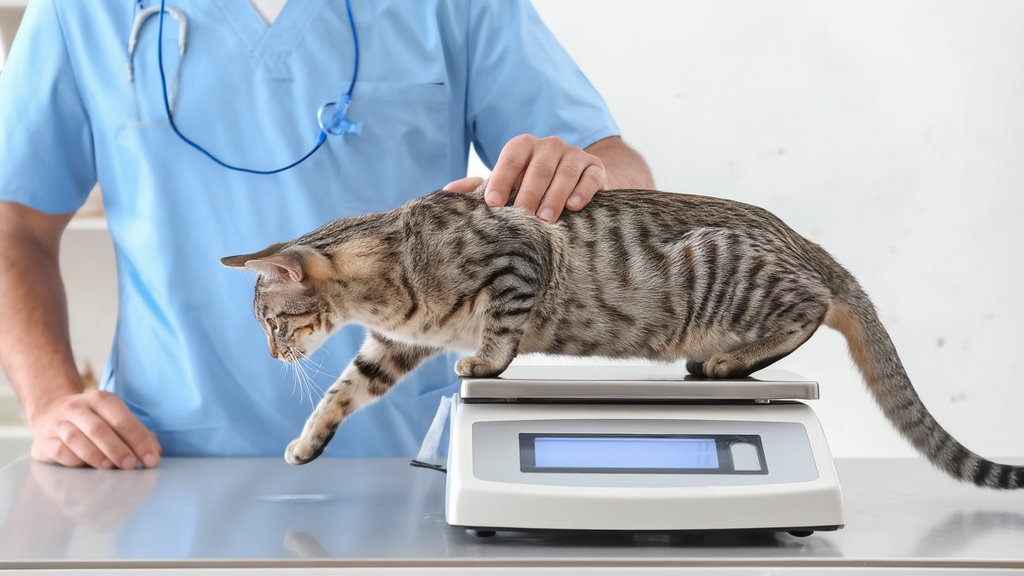
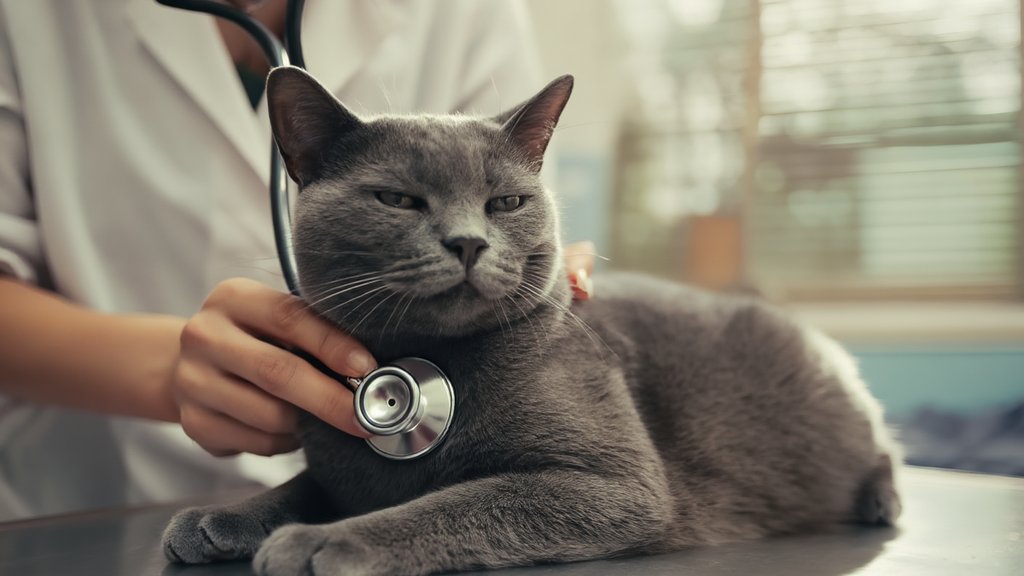
An always-hungry cat workup is refreshingly concrete. The vet weighs the cat, palpates the thyroid and abdomen, and almost always orders a small blood panel plus a urinalysis — the same screening panel used for senior cats, which checks thyroid level, blood sugar, and kidney values in one draw. A fecal test covers the parasite possibility. Most of these conditions are genuinely manageable once named: hyperthyroidism has medication and several long-term options, diabetes is managed with diet and insulin, worms are a two-dose fix. That is the core reassurance of this article — every item on the medical list responds far better to early detection than to waiting, and none of them is diagnosed by staring harder at the food bowl.
What This Looks Like in Practice: Centre County Cat Hospital, State College, PA
Centre County Cat Hospital
620 W Cherry Ln, State College, PA, 16803
Phone: (814) 238-2287
⭐ 4.9 (85 reviews)
As a worked example: Centre County Cat Hospital at 620 W Cherry Ln in State College, Pennsylvania carries a 4.9-star average across 85 client reviews — and it is a cats-only practice, which matters for this specific workup, because a feline-exclusive team sees a dozen bottomless cats a month and runs the hungry-cat panel as routine. The quiet, dog-free environment also means the "hiding symptoms under stress" problem felines famously have is less of a factor: a cat that is not terrified of the waiting room gives a cleaner exam. Call (814) 238-2287 to book the appetite workup, and owners shopping around can first scan the options for cat vets in State College, PA.
The Short Version for Skimmers
Fix the feeding first — measured, protein-rich, spread across the day. Then watch the companions of the appetite: weight loss, big thirst, night restlessness, or a scruffy coat each convert "always hungry" into a specific reason for the vet. A blood panel and a fecal settle it in one visit, and the medical causes behind a ravenous cat are among the most treatable things in feline medicine. If your bottomless cat is also throwing up shortly after meals, the story gains a second clue worth reporting at the same appointment cat vomiting when to worry.
This article is editorial content produced by the CatVetFinder team. Clinic details are drawn from public listings and may change — always confirm hours and services with the clinic directly.