Asthma is one of the most under-recognized conditions in cats, mostly because it rarely looks like what owners expect. Cats with asthma almost never pant like dogs or collapse like in the movies. What you actually see is quieter: a dry, hacking cough that gets mistaken for hairball attempts, a low wheeze, brief episodes where the cat crouches low with the neck stretched out and breathes with visible effort. Because episodes pass and the cat resumes napping, many asthmatic cats go months — sometimes years — before anyone connects the episodes into a pattern. That delay matters: every flare inflames the airways further, and untreated asthma progresses from occasional cough to constant restricted breathing.
This guide answers the questions owners bring to the exam room, in the order they usually ask them — starting with what asthma looks like at home, then how it is diagnosed, treated, and lived with day to day.
What Feline Asthma Actually Looks Like
Own a Veterinary Clinic?
Enjoyed this article? Our editorial team researches, writes, and publishes professional features just like this one about clinics across the US. Get your practice in front of thousands of cat owners searching for a vet in your city.
Asthma is inflammation of the small airways — an allergic-type reaction that narrows them and floods them with mucus. The signs follow directly from that narrowing, and they show up in two registers: the everyday baseline, and the episode.
- A dry cough that recurs — short, hacking, end-of-the-breath coughs, often weeks apart at first. Owners frequently describe it as "trying to bring up a hairball" without any hairball appearing.
- Wheezing — a faint high-pitched whistle on exhale, usually heard up close in quiet rooms.
- Faster breathing at rest — a relaxed cat breathes roughly 20 to 30 times a minute; consistently more than 40 while asleep is a genuine red flag worth counting and reporting.
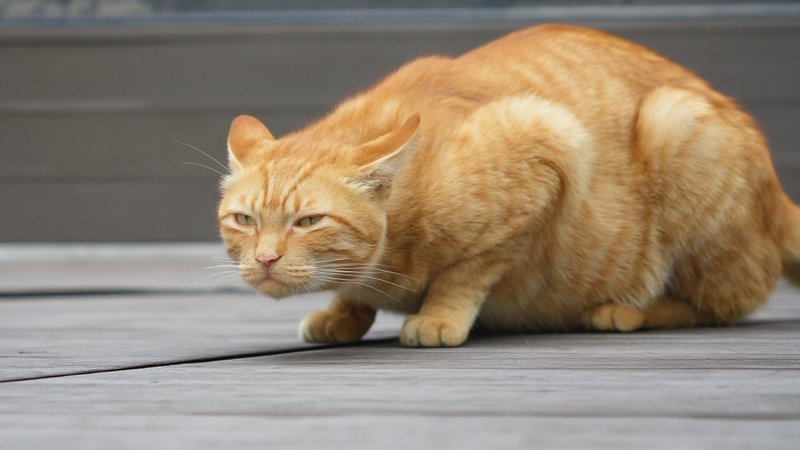
- Crouched episodes — neck stretched low and forward, elbows held away from the body, mouth closed, breathing with visible effort. This posture during an episode is asthma's signature.
- Declining play tolerance — the cat who used to chase for ten minutes now stops after two, or breathes heavily after mild exertion.
- Open-mouth breathing or lips pulled back at rest — this one is NOT a routine asthma sign; in cats it signals severe respiratory distress and needs emergency care immediately.
How Vets Separate Asthma From Its Look-Alikes
Several conditions share asthma's symptoms, and treating the wrong one delays the right one. Hairballs produce retching that ends with a produced hairball; asthma coughs produce nothing. Respiratory infections (including the herpesvirus complex cats carry) cause sneezing and discharge alongside the cough; asthma does not. Heart disease causes fluid around the lungs with similar fast breathing but different imaging. Lungworms — parasites carried by snails and prey — mimic asthma almost perfectly and are diagnosed with a fecal test. The diagnostic sequence at the clinic reflects this: chest X-rays first (asthma shows a characteristic pattern of overinflated lungs and irritated airways), then bloodwork and fecal testing to rule out parasites and infection, and in persistent cases airway washings to examine the cells directly.
What Treatment Looks Like
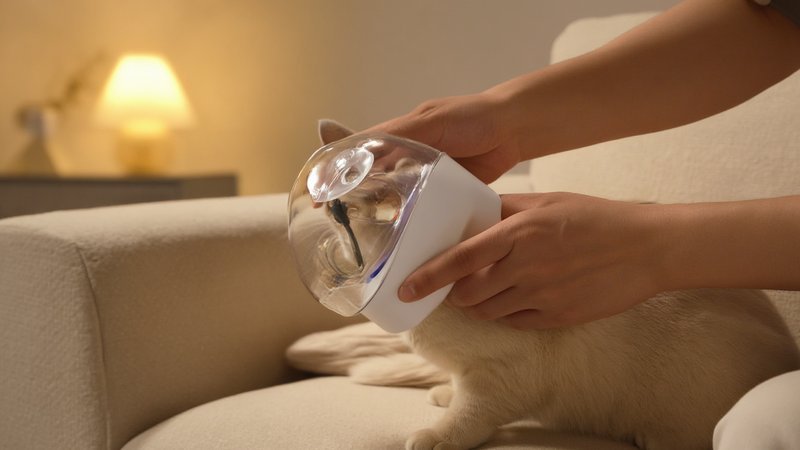
Feline asthma is managed, not cured — but the management is well-developed and cats on appropriate treatment usually live fully normal lives. The toolkit has two layers. Emergency treatment, for active severe flares, uses oxygen and fast-acting drugs at the clinic. Long-term control works the same way it does in people: corticosteroids to suppress the airway inflammation, delivered either as an inhaled medication through a special cat-sized mask chamber or as oral medication, plus bronchodilators for cats that need airway opening on top of the anti-inflammatory.
Inhaler therapy is the modern preferred route because it targets the lungs directly with minimal whole-body effects — and yes, most cats tolerate the chamber training better than owners fear, especially when it is introduced with treats over a week. Alongside medication, the vet will usually talk about reducing triggers: dusty litter, cigarette smoke and vaping aerosol, fireplace and candle soot, heavily scented sprays and plug-ins, and humid-air conditions in flare season.
Questions Cat Owners Ask About Asthma
What This Looks Like in Practice: North King Animal Clinic
North King Animal Clinic
436 N King St, Northampton, MA, 01060
Phone: (413) 584-9178
⭐ 4.8 (176 reviews)
To make it concrete, here is one worked example. North King Animal Clinic in Northampton, MA, located at 436 N King St with a 4.8-star average across 176 reviews, is the kind of general practice where the first asthma workup happens exactly as described: history and rest-breathing-rate review, chest X-rays, and the parasite tests that rule out lungworm, with a treatment plan and mask-chamber training discussed on the same visit. If you book, mention that you have counted your cat's resting breathing rate and when the cough occurs — that single detail speeds the whole visit. Their number is (413) 584-9178.
The practical sequencing advice from practices like this: keep a one-line log for a week — date, time, what the episode looked like, roughly how long. Episodic conditions are diagnosed on pattern, and a week of notes turns a vague "he coughs sometimes" into a documentable history that shortens the diagnostic path.
Breathing complaints overlap heavily with other conditions worth reading about. Cat breathing fast: when to worry gives the breathing-rate thresholds in detail, cat sneezing and when it matters covers the infection side of respiratory signs, and cat coughing vs hairball untangles the confusion this article's checklist mentions. For the emergency boundary itself, cat emergency symptoms is the reference list to know in advance.
This article is editorial content produced by the CatVetFinder team. Clinic details are drawn from public listings and may change — always confirm hours and services with the clinic directly.