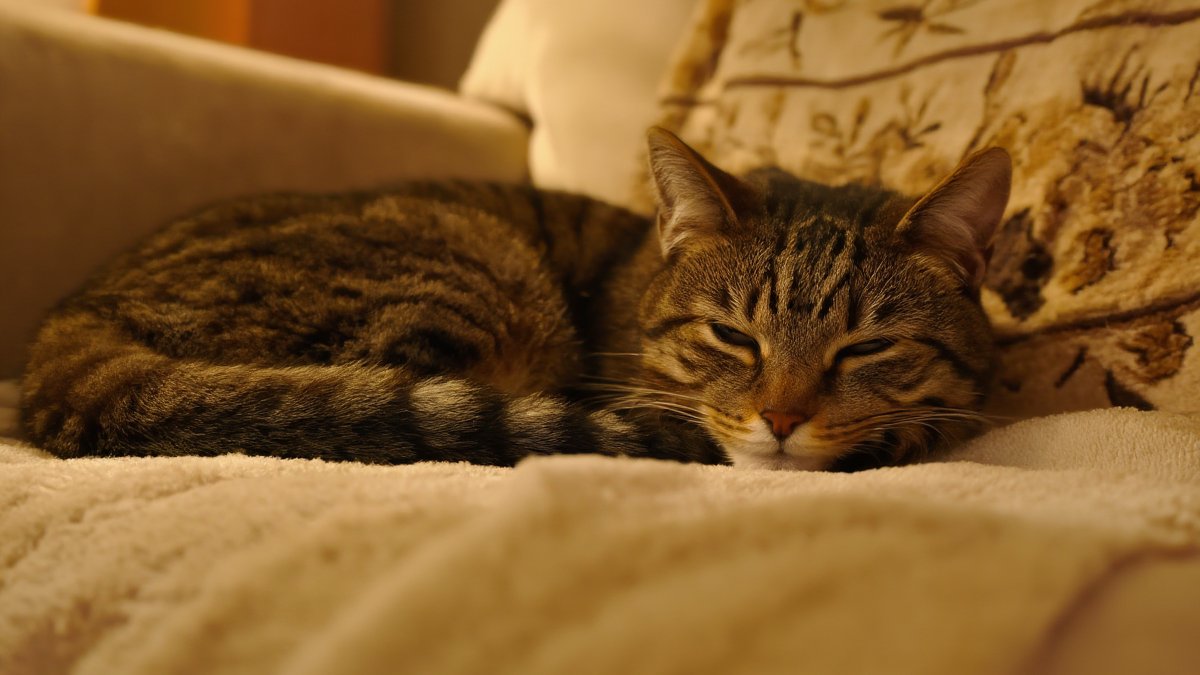
The sneezes start small — one, two, then a wet little triple-sneeze over breakfast — and by the evening there is discharge at the nose and your cat squinting at you with watery eyes. Congratulations: your cat has caught the feline equivalent of the common cold, an upper respiratory infection, and it is one of the most common reasons a cat goes to the vet.
Most adult cats ride these out in 7 to 10 days with nothing more than chicken soup logic: rest, fluids, food that smells irresistible, and a humid room. But a subset of cats — kittens, seniors, and any cat who stops eating or breathing noisily — can go from sniffles to seriously ill fast. Knowing which is which is the entire skill of managing a cat cold at home, and it is learnable in one read.
What a Cat Cold Actually Is
Feline URIs are overwhelmingly viral — feline herpesvirus and calicivirus are responsible for the lion's share of cases, and nearly every shelter-adopted cat carries herpesvirus for life. The virus inflames the nose, throat, and eyes; the discharge, sneezing, and hoarse meow follow. Herpesvirus in particular is famous for flaring under stress — a house move, a new pet, a boarding stay — which is why a cat can be fine for a year and suddenly sneeze for a week after you rearranged your life.
Antibiotics do not touch the virus itself. Vets prescribe them when a secondary bacterial infection takes hold — think thick yellow-green discharge, fever, or symptoms that worsen after day five — not because antibiotics cure colds.
Home Care That Genuinely Helps
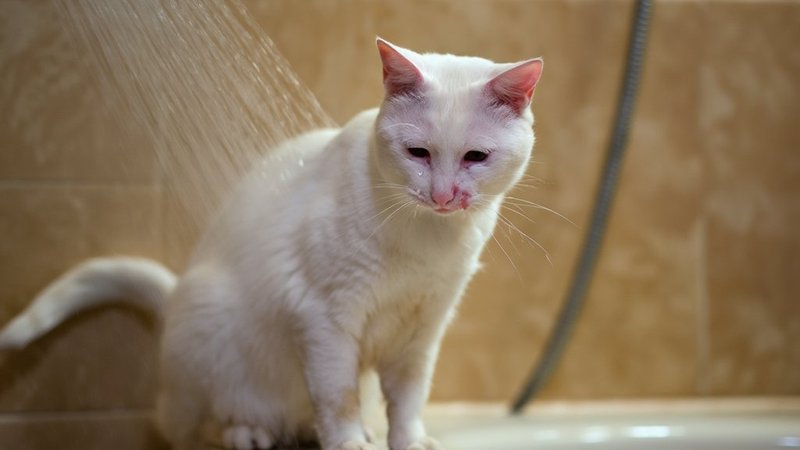
- Steam sessions: run a hot shower and let the cat sit in the steamy bathroom for 10 to 15 minutes, twice a day. Steam loosens nasal congestion better than any over-the-counter product.
- A humidifier in the cat's favorite room, especially in dry winter air or homes with forced-air heating.
- Keep the face clean: wipe eyes and nose gently with a warm, damp cotton pad as often as discharge appears. Crusty buildup is not just gross, it blocks the sense of smell that drives appetite.
- Strong-smelling food, slightly warmed: wet food microwaved for a few seconds (stir and test the temperature) releases aroma a stuffy nose can still detect. Tuna and sardines are the classic negotiators.
- Fluids and rest: fresh water everywhere, and let the cat sleep. A cold is exhausting, and immune systems do their work in sleep.
- L-lysine: evidence is mixed, but it is safe and some vets recommend it for herpesvirus flares. Ask your vet before adding any supplement.
And the never-list: no human cold medicines — decongestants, especially anything containing pseudoephedrine or phenylephrine, are toxic to cats at tiny doses. No essential oil "vapor rubs" or eucalyptus diffusers, which cats cannot metabolize. No honey, no vitamin C megadoses, no homeopathic nasal sprays.
The Red Flags — Go In When You See These
- Breathing through an open mouth, or noisy, labored breathing with visible belly movement. Cats who open-mouth breathe are in respiratory distress.
- Not eating for more than 24 to 48 hours — and for kittens, more than a few hours. Anorexia in a cat cold is where secondary problems start.
- Thick, yellow or green discharge from eyes or nose, or eyes swollen shut and squinting in pain.
- Fever signs: hiding, warm ears and nose, shivering, or simply a cat who has gone from clingy to deeply lethargic.
- Any kitten under four months, any cat with a known immune problem, and any unvaccinated cat with symptoms — these cats deteriorate faster and start antibiotics sooner.
- Symptoms that worsen after day 5, or a cold that has dragged past 10 days without improvement.
Meadows Cat Hospital
1480 NW Gilman Blvd # 6, Issaquah, WA, 98027
Phone: (425) 392-8770
⭐ 4.8
The Contagion Question: Multi-Cat Homes
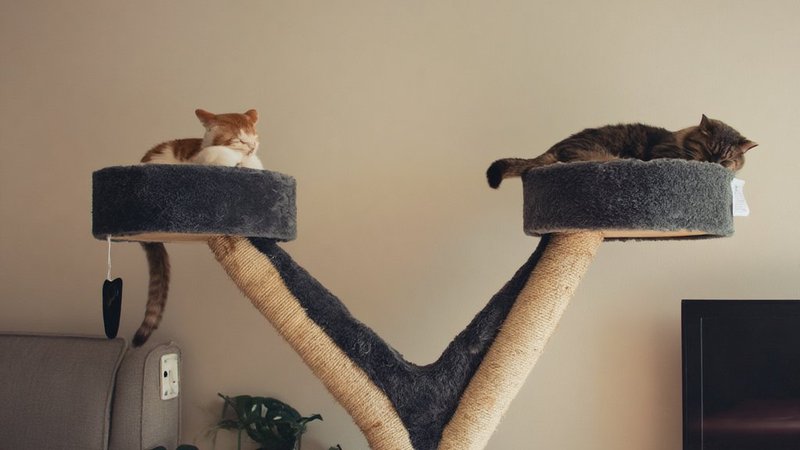
URI viruses spread through direct contact and shared bowls, and herpesvirus also rides on clothes and hands for a few hours. In a multi-cat household, the practical playbook is to keep bowls and litter scoops separate where you can, wash hands after handling the sick cat, and watch the healthy cats closely — most will already have some immunity, but stress and age decide who flares. Vaccination does not fully prevent herpesvirus infections but reliably reduces how sick cats get, which is exactly what you want from a vaccine.
Living With a Herpesvirus Carrier
If your cat's colds come back two or three times a year, you are probably living with a herpesvirus flare pattern, not repeated new infections. Flares track with stress, so the long game is environmental: stable routines, resources separated in multi-cat homes, play that burns anxiety, and a quick call to the vet at the first sneeze rather than the fifth day. Chronic recurrent cases deserve a conversation about antiviral options and immune support — there is more in the toolkit than most owners know.
Own a Veterinary Clinic?
Enjoyed this article? Our editorial team researches, writes, and publishes professional features just like this one about clinics across the US. Get your practice in front of thousands of cat owners searching for a vet in your city.
The bottom line: steam, warm smelly food, clean eyes and nose, and a close eye on appetite — that is the whole home toolkit, and it works for most adult cats. The moment breathing, eating, or energy go wrong, the vet takes over. Related reading: cat eye squinting and eye pain matters here because URI eye involvement is common, and why my cat is not grooming explains one more signal a sick cat sends before you notice the sneezing.
This article is editorial content produced by the CatVetFinder team. Clinic details are drawn from public listings and may change — always confirm hours and services with the clinic directly.