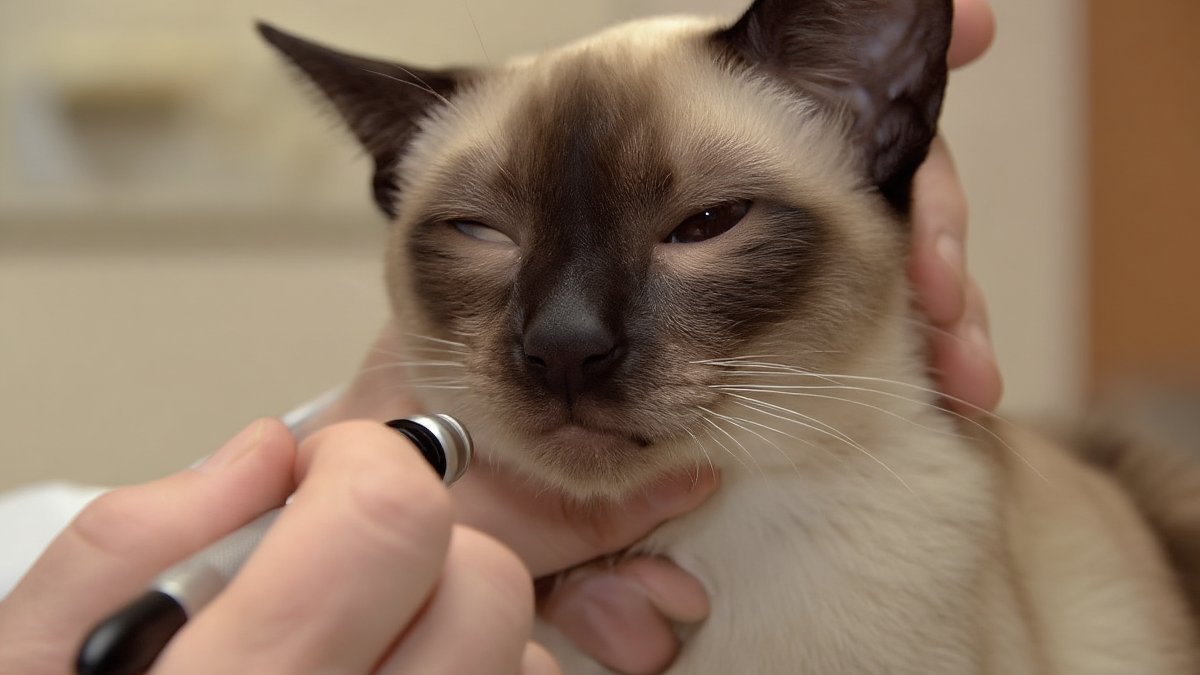
Why is my cat squinting one eye? It is a question that arrives at urgent-care desks constantly, and the honest answer is that squinting — blepharospasm, in clinic language — is not itself a diagnosis. It is the eye's version of flinching: the eyelid clamps shut because something on the cornea or inside the eye hurts. Cats are deliberate squinters; they almost never do it for attention, and a cat who holds one eye half-closed for more than a few hours is telling you the eye is genuinely painful. The causes range from a speck of dust that resolves on its own to a corneal ulcer that can scar or rupture without treatment, which is why the smart move is to narrow the cause quickly rather than wait and see.
What Is Making the Eye Squint?
The shortlist, in rough order of how often clinics see it. A corneal scratch — a cat scratch, a claw during play, a low-hanging branch, even a stiff whisker flicked the wrong way — is the classic cause of sudden one-eye squinting, and a scratch deep enough becomes a corneal ulcer, which the cat will keep squinting at until it is treated. Conjunctivitis, the pink inflammation of the tissue lining the lid, usually brings discharge and swelling along with the squint; in young cats it is most often feline herpesvirus or chlamydia flare-ups, and stress reliably reactivates the latent herpes virus. A foreign body — an eyelash, plant awn, dirt clod, or shard of litter — lodges under the lid and keeps re-injuring the cornea every blink. Uveitis, inflammation inside the eye itself, squints and causes a visibly cloudy or color-changed iris and is worth taking seriously because it can signal systemic disease. Glaucoma — elevated pressure inside the eye — is the least common but most urgent: a squinting eye that also looks enlarged, cloudy, or hard is an emergency measured in hours. And one more rule: sudden one-eye squinting with no other sign in a middle-aged cat is occasionally a tooth-root abscess on the upper jaw, which aches into the eye region.
Is It an Emergency?
Some squinting eyes are same-day, and the markers are specific. Treat it as urgent if the eye is held fully shut, if the cornea looks cloudy, blue, or white, if the eyeball looks enlarged or is bulging, if there is heavy discharge — especially thick yellow-green material — if the cat is pawing at the face and cannot stop, or if the squinting followed a known trauma and a kitten or another cat was involved. A dog-vs-cat or car-adjacent injury makes the eye a suspect organ even when it looks fine initially, because globe damage can hide behind a squint. On the other side, a mildly squinty eye with clear watering that appeared this morning, in a cat acting otherwise normal, is the ordinary next-morning appointment — not the emergency line.
What You Can Do at Home Before the Appointment
Own a Veterinary Clinic?
Enjoyed this article? Our editorial team researches, writes, and publishes professional features just like this one about clinics across the US. Get your practice in front of thousands of cat owners searching for a vet in your city.
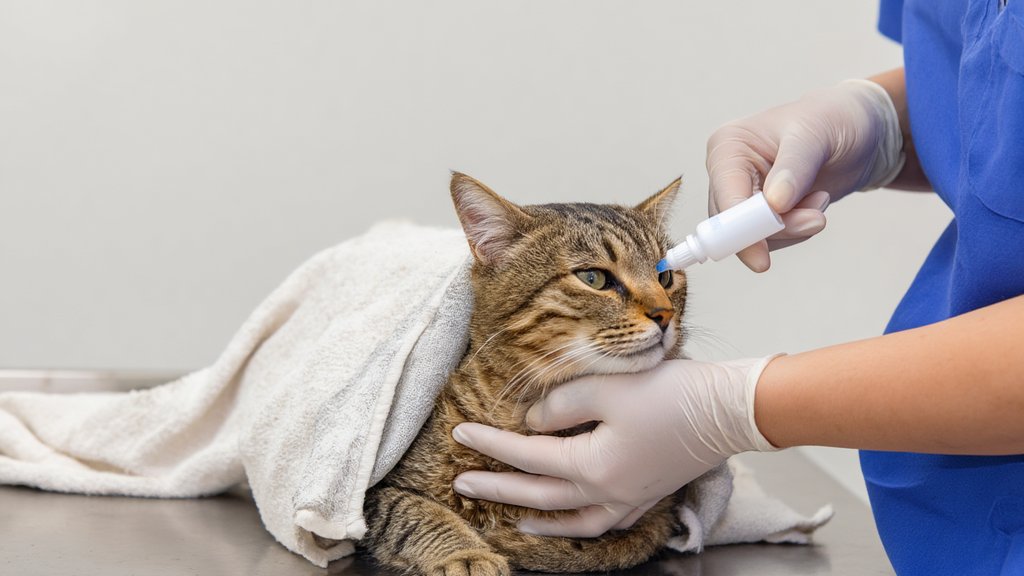
A few things are safe and useful. Flush the eye gently with a sterile saline eye rinse — the preservative-free kind sold for eyes, never contact-lens "cleaning" solutions, which contain enzymes that damage cornea — to dislodge a loose speck. Stop any pawing with an e-collar or a sock-style restraint if the cat is rubbing violently, because a scratching cat can turn a scratch into a ruptured ulcer in one afternoon. Photograph the eye for the record. What not to do matters just as much: never apply a leftover human or older pet eye medication, because steroid-containing drops can make a corneal ulcer dramatically worse — in bad cases they contribute to the ulcer melting through — and the cat cannot tell you whether the cornea is intact. That single rule is the difference between a harmless wait and a self-inflicted complication, and it is why "finish the old bottle from the last eye infection" is the most common well-meant mistake clinics see.
How the Vet Works Out the Cause
The diagnostic is fast and mostly painless. The veterinarian numbs the eye with a drop, then runs a fluorescein stain: an orange dye that glows green under blue light wherever the corneal surface is broken, turning a scratch or ulcer into a visible map. It answers the single most important question — is the cornea intact — in under a minute. A tear-production test rules out dry eye, an intraocular pressure check distinguishes glaucoma from everything else, and the discharge itself can be sampled when an infectious cause is suspected. Treatment then follows the finding: antibiotic ointment or drops for ulcers and bacterial conjunctivitis, sometimes with pupil-dilating drops for comfort; antiviral therapy where herpes flares repeatedly; foreign bodies removed under a lid lift; and pressure-lowering treatment started immediately for glaucoma. Most ulcers heal within a week on proper medication, and the recheck stain confirms the surface is truly closed — which is why the follow-up visit matters even when the eye already looks better.
A Worked Example: Veterinary Urgent Care Center - Dedham, MA
Veterinary Urgent Care Center - Dedham
926 Providence Hwy, Dedham, MA, 02026
Phone: (781) 373-8080
⭐ 4.9 (281 reviews)
A sudden squinting eye is a textbook urgent-care presentation — painful, time-sensitive, and usually needing same-day attention rather than a scheduled visit — which makes the profile of Veterinary Urgent Care Center on Providence Hwy in Dedham, Massachusetts a natural fit: walk-in urgent care for pets seven days a week, holding a 4.9-star rating across 281 client reviews, one of the highest-rated pet urgent-care facilities in the Greater Boston area. Call (781) 373-8080 or walk in and describe when the squinting started and whether any injury or kitten-to-cat scuffle preceded it; that history shapes how aggressively the cornea gets worked up. Owners comparing routine-care options in the area can browse the full cat vets in Dedham, MA listing alongside the urgent-care choice.
The Takeaway
Squinting one eye means the eye hurts, and a hurting eye in a cat always earns a look at the cornea. Flush with sterile saline, prevent pawing, photograph the eye — and never reach for old medicated drops, because steroid eye treatments on an ulcer are the one home move that can cost the cat its vision. A same-day fluorescein stain answers the important question fast, most causes resolve in days with the right drops, and the squinting cat who gets seen early is almost always the squinting cat who keeps the eye.
This article is editorial content produced by the CatVetFinder team. Clinic details are drawn from public listings and may change — always confirm hours and services with the clinic directly.