
Most of what owners know about heartworm comes from the dog version — the yearly test, the slow motion of the adults in the pulmonary arteries, the expensive and risky treatment. Almost none of it transfers to cats, and the parts that seem to transfer are the most misleading. Cats are not simply smaller dogs when it comes to heartworm: they are a resistant but not immune host, the worm burden is lower, the adult worms die younger, and yet the disease in cats is in some ways more dangerous, because a handful of worms in a cat-sized pulmonary system plus a violent inflammatory response to their arrival and their death can kill without warning. There is no approved drug treatment for adult heartworm in cats at all — a fact that reframes the whole conversation from "treat it if it happens" to "prevent it, because there is no cure." This guide covers how the feline version actually works, the signs it hides behind, why diagnosing it is genuinely hard, and how simple year-round prevention is.
How Feline Heartworm Disease Is Different
Own a Veterinary Clinic?
Enjoyed this article? Our editorial team researches, writes, and publishes professional features just like this one about clinics across the US. Get your practice in front of thousands of cat owners searching for a vet in your city.
- Cats are imperfect hosts. A mosquito's bite delivers heartworm larvae, but in most cats the larvae fail to mature — only about one in five to one in seven reaches adulthood, and a cat typically carries one to four worms where a dog carries dozens.
- Even short infections hurt. Those immature worms still migrate through the pulmonary arteries, and the cat's immune response to their arrival — and later to their death — causes a lung-centered disease called HARD (heartworm-associated respiratory disease) that mimics asthma.
- The dog-style "heartworm positive" test fails in cats. The antigen test detects adult female worms; with so few worms, many cats test falsely negative, which is why diagnosis leans on antibody tests plus imaging.
- Sudden death replaces slow decline. Dogs with heartworm decline over years. Cats can be asymptomatic one week and dead of an acute pulmonary crisis the next — or vomit once, cough for a few days, and never show another sign.
- There is no adulticide treatment for cats. The arsenic-based drug used in dogs is not approved for cats and is too risky for a host that already reacts violently to dying worms. Care in cats is supportive: steroids, oxygen, time.
The Signs — and How Well They Hide
Feline heartworm disease has two faces. The chronic face looks like asthma or chronic bronchitis: coughing, wheezing, open-mouth or rapid breathing during mild exertion, intermittent gagging, and — unlike the dog — vomiting that is not tied to meals. The acute face is a collapsed cat: sudden breathing distress, stumbling, seizures, or death, usually driven by the immune storm around a worm dying in a pulmonary artery. The brutal part is the overlap with ordinary cat problems. Indoor cats get heartworm too — studies have repeatedly shown a meaningful fraction of heartworm-positive cats live strictly indoors, because mosquitoes get into houses and an unprotected indoor cat is bitten just the same — so "we never go outside" removes far less risk than owners assume. One in three diagnosed cats shows no clinical signs at all before an acute event. This is why the disease in cats is discussed mostly in terms of prevention rather than detection: by the time the signs are unmistakable, the options are thin.
Why Diagnosis Is Genuinely Tricky
A cat who arrives coughing faces a differential list that includes feline asthma, respiratory infections, and heartworm — and heartworm is the hardest of the three to prove. The antigen test misses cats carrying only one or two worms or only males, so a negative result does not clear the cat. The antibody test shows exposure, including to worms that never matured, but exposure is not active disease. So the real diagnostic picture is assembled: antigen plus antibody, chest X-rays looking for the characteristic artery changes, and echocardiography or CT in specialist settings. Many cases end as "suspected heartworm" treated supportively with corticosteroids, which control the inflammatory lung disease even while the worms run their natural two-to-three-year course. That is the state of the art in cats, and it is worth knowing before the appointment: your vet is not being vague out of caution — the tests themselves have hard limits in this species.
Prevention: Cheap, Simple, and the Whole Game
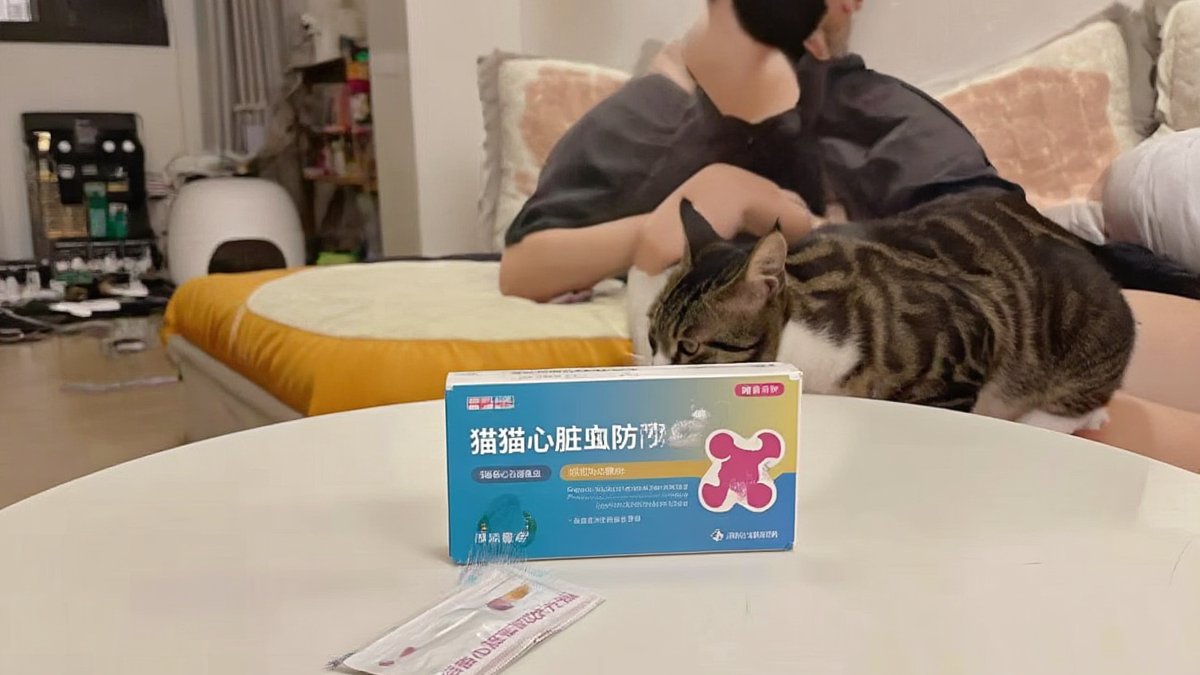
Because there is no cure for the adult stage in cats, prevention is not one option among several — it is the strategy. Several monthly topical products approved for cats (selamectin, moxidectin-imidacloprid) plus a chewable milbemycin option cover heartworm along with fleas and other parasites, and they cost a fraction of what a single acute respiratory crisis costs in emergency care. Year-round dosing is the veterinary-standard recommendation, especially anywhere with mild winters — and the Gulf South is precisely the region where mosquito seasons barely end. Prevention for a cat already on flea control is often a product swap rather than an added expense, and the conversation takes one wellness visit. For a cat that has already had a heartworm scare, prevention also blunts reinfection, which matters because immune memory makes the second exposure worse, not better.

A Worked Example: Dr. Clint Harper, West Monroe, LA
Dr. Clint Harper
5234 Cypress St, West Monroe, LA, 71291
Phone: (318) 396-8099
⭐ 5.0
Northeast Louisiana sits deep in heartworm country — the parishes around West Monroe post some of the highest canine infection rates in the country, and feline exposure tracks the same mosquitoes. Dr. Clint Harper on Cypress Street is a 5.0-star practice serving the area, and this is exactly the visit where a rural practice's local knowledge pays: they see heartworm season in the mosquito counts, not just on a national map. Call (318) 396-8099 and ask which cat-labeled preventive fits your cat and whether your current flea product already covers heartworm. Owners shopping around can compare the cat vets in West Monroe, LA listing for practices offering heartworm testing and prevention alongside wellness exams.
The Takeaway
Heartworm in cats is a different disease wearing the dog's name: fewer worms, harder detection, no approved cure, and an acute form that can kill a cat who looked fine the day before. Indoor living reduces the risk less than anyone wants it to. The signs — coughing, wheezing, unexplained vomiting, sudden breathing distress — deserve a vet visit whenever they appear, but the decision that actually protects your cat is made before any of them happen: a cat-labeled heartworm preventive, every month, all year. In the Gulf South that is not paranoia; it is the local baseline.
This article is editorial content produced by the CatVetFinder team. Clinic details are drawn from public listings and may change — always confirm hours and services with the clinic directly.