Every cat owner eventually meets the vanishing act: the cat who owned the house yesterday is suddenly wedged behind the dryer, or under the bed in the far corner of the guest room, and will not come out for dinner. The instinct is to read it as a mood — offended, sulking, on strike. Sometimes that is true. But hiding is also the first and most reliable symptom cats give when something is physically wrong, and it arrives days before vomiting or refusal to eat does. The trouble is that the two versions — stressed cat and sick cat — look nearly identical at first, so the real question is not "why is my cat hiding?" but "how long has this been going on, and what else changed?" That is the framework this guide works through.
Hiding as a Behavior: The Normal End of the Range
Cats are both predator and prey animals, and retreating to a dark enclosed space when something feels off is hard-wired, not sulking. Healthy reasons a social cat might hide for a day include a loud event (thunderstorm, construction, a party, fireworks), a new person or pet in the house, a moved litter box, a trip to the groomer or boarding kennel, or simply a routine disruption — cats track household patterns with a precision that surprises owners who think of them as aloof. In these cases the hiding follows a visible trigger within hours, the cat still eats and uses the litter box when the house is quiet, and it re-emerges within a day or two as the event fades. A cat that drinks, eats (even a little, even at night), and uses the box normally is telling you its body works; the hiding is emotional weather, and it will pass.
Hiding as a Symptom: When Withdrawal Means Sick
The sick version of hiding is distinguished by what it comes with, not by the hiding itself. Cats evolved to hide weakness — a visibly sick cat in the wild is a dead cat — so the first sign of illness is not limping or crying, it is the cat quietly removing itself from the audience. The combinations that matter: hiding plus skipping a full day of food, hiding plus a litter-box change (straining in the box, fewer clumps than usual, accidents outside it), hiding plus labored or fast breathing, hiding plus a new habit of not grooming, or hiding plus heat in the ears and paw pads suggesting fever. Dental pain deserves its own mention — cats with a cracked tooth or resorptive lesion keep eating but retreat while doing it, and the hiding is often mistaken for age. Any of these pairings is not a wait-and-see situation; it is a call-your-vet-today situation.
Own a Veterinary Clinic?
Enjoyed this article? Our editorial team researches, writes, and publishes professional features just like this one about clinics across the US. Get your practice in front of thousands of cat owners searching for a vet in your city.

The Plan: What to Do in the First 24 Hours
- Identify the trigger, honestly. Walk the house: new laundry scent, a moved bookshelf, a dog on the street, a changed work schedule. If a plausible trigger exists and the three-point check above passes, you are likely dealing with stress, and the plan is patience, not panic.
- Do not drag the cat out. Forcing a hiding cat to "rejoin the family" teaches it that the household itself is a threat, deepening the withdrawal. You can sit nearby at its level, speak softly, and let curiosity do the work — but hands stay off unless checking is medically necessary.
- Set up a controlled observation. Put food, water, and a litter box within a few feet of the hiding spot so the cat can meet its needs without traveling, and so you get clean data on eating and litter use. That data is exactly what a vet will ask for.
- If there is no trigger and no clear illness sign, give it one quiet night with the controlled setup. Improvement by morning closes the case. No improvement — or any of the emergency signs below — ends it.
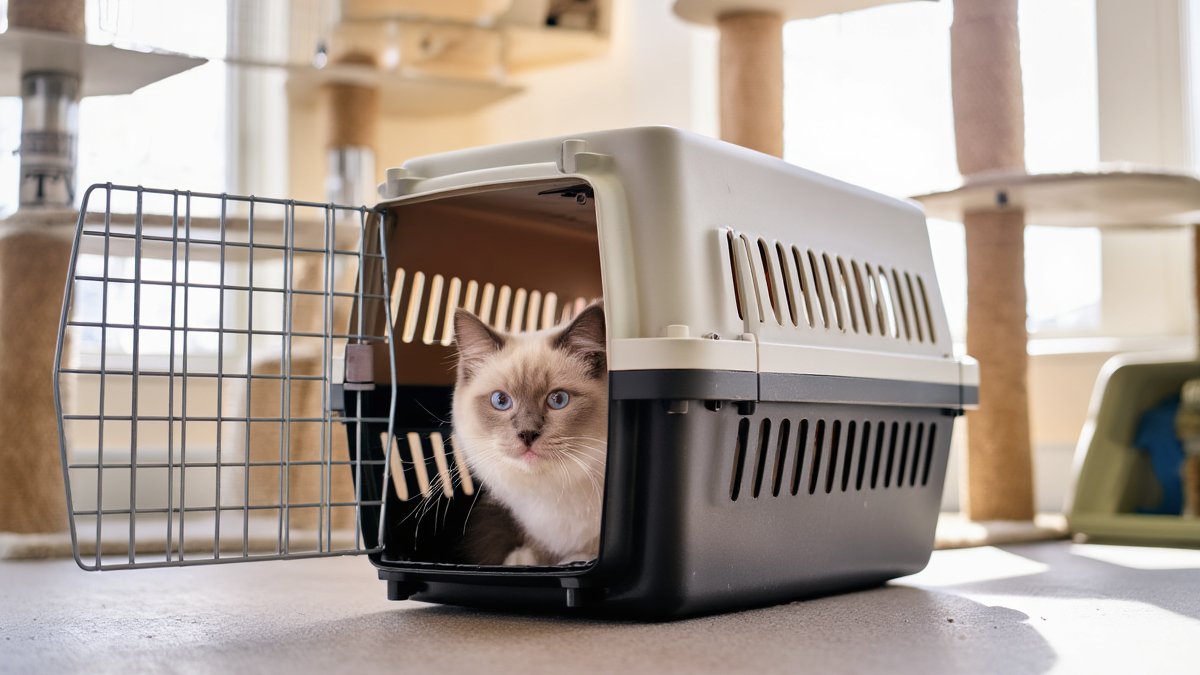
- Use the carrier trick for the vet visit if it comes to that: many hiding cats will walk into a carrier placed in the hiding spot with a soft blanket and no fanfare, because it is simply another dark enclosed space. Chasing the cat around the house first raises the stress load on the very exam that will diagnose the cause.
What This Looks Like in Practice: North Hills Veterinary Hospital, El Paso, TX
North Hills Veterinary Hospital
11100 Sean Haggerty Dr Suite B209, El Paso, TX, 79934
Phone: (915) 344-8900
⭐ 4.8 (297 reviews)
As a worked example: North Hills Veterinary Hospital at 11100 Sean Haggerty Dr, Suite B209 in northeast El Paso holds a 4.8-star average across roughly 300 client reviews, and their hours run later into the evening than most neighborhood practices — which matters for this topic, because a cat that goes into hiding during a workday is often first noticed after five, and a same-day exam beats an overnight vigil. A withdrawal workup there is a standard visit: temperature, hydration check, palpation for pain, bloodwork when the picture points inward, and a behavioral history that separates the sick-hiding from the stressed-hiding. The practice is reachable at (915) 344-8900, and El Paso owners can see how the local options compare before deciding where to book.
The Short Version for Skimmers
Hiding with a trigger, normal eating, normal litter box, back to normal in a day or two: behavioral, handle with patience. Hiding with no trigger, or with skipped meals, litter-box changes, rough breathing, or not grooming: medical, book the exam for today. And hiding with open-mouth breathing, straining in the box, or complete refusal of food crosses into the territory where hours matter, not days — cat emergency symptoms lists those red lines in full. If the pattern turns out to be pain, why is my cat limping explains how cats disguise orthopedic trouble, and cats whose withdrawal is really digestive discomfort are covered in cat vomiting when to worry. Withdrawal plus appetite loss has its own guide at cat not eating.
This article is editorial content produced by the CatVetFinder team. Clinic details are drawn from public listings and may change — always confirm hours and services with the clinic directly.