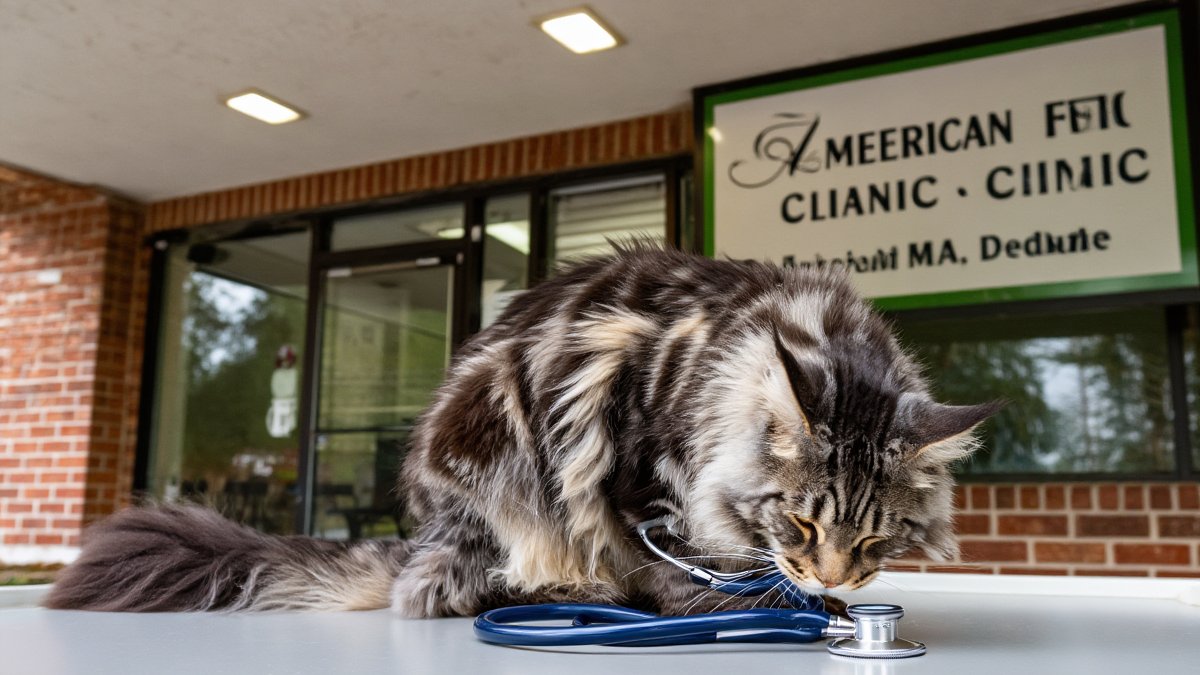
A cat losing hair is one of those problems that starts as a housekeeping annoyance — more fur on the couch than usual — and then one morning there is an actual bald patch, pink and smooth, just above the tail base. What almost never happens is what owners expect: the cat does not necessarily scratch. Feline hair loss is a quiet problem because the most common cause is the cat itself, grooming in short secret sessions you were never meant to see. The checklist below sorts the causes by how urgent they are, and it works whether your cat is pulling fur out, shedding in clumps, or thinning out gradually all over.
The Overgrooming Checklist: What to Rule Out First
- Find the pattern. Fur missing symmetrically along the belly and inner thighs or in a strip up the back near the tail points to the cat doing the removing. Fur falling out in irregular patches with scales, redness, or crusting points to a skin disease doing it for the cat. Take a phone photo of any bare area the day you notice it — patterns change fast and the photo becomes evidence.
- Check the flea math, even indoors. Flea allergy is the single most common cause of overgrooming in cats, and it does not require a visible flea or an outdoor lifestyle: a single flea bite every week or two is enough to keep an allergic cat barbering itself bald year-round. If other pets in the house are not on flea prevention, start there — the cat itching on the back half of the body, near the tail, is the classic sign.
- Look at what changed. New detergent, a switch in litter, a new food, more time indoors, a new pet or person — contact and stress triggers both route through grooming. Cats convert anxiety into grooming the way people bite their nails, and the pattern (symmetric, on reachable areas, no skin damage) is often the tell.
- Run a hand over the bare patch. Smooth, uniform stubble or slick bare skin means the fur was licked away. Scabbing, bumps, oiliness, or a bad smell means the skin itself is diseased — that is an earlier appointment, not a watch-and-wait one.
- Count the other clues. A cat that is losing hair AND losing weight, drinking more than usual, or eating less is no longer dealing with a skin problem — hormonal disease (overactive thyroid, in particular) produces both a rough, thinning coat and a metabolism running hot. Those signs move the visit up to this week.
- Give it two weeks only if the pattern fits behavioral overgrooming and the cat is otherwise completely normal. Fur does regrow, but the cause does not move on its own; if the bald area is spreading at the two-week mark or the skin looks angry, the watch-and-see budget is spent.
What the Vet Actually Does About Hair Loss
Own a Veterinary Clinic?
Enjoyed this article? Our editorial team researches, writes, and publishes professional features just like this one about clinics across the US. Get your practice in front of thousands of cat owners searching for a vet in your city.
The first visit is a thorough comb-through, literally: a flea comb run down the back, skin scrapings if mites are suspected, a look under the Wood lamp for ringworm (a fungal infection that fluoresces, though not always), and a conversation about the timeline. Because flea allergy so dominates the list, many vets will simply treat every pet in the household with a modern flea product for a full three-month course before anything more exotic gets discussed — it is the cheapest test there is, and it produces an answer in cats about two-thirds of the time. If fleas are exonerated, the workup moves to food-trial diet changes, skin cytology, and bloodwork for the hormonal causes in middle-aged and senior cats.
What matters for owners is the sequence, because it changes what you do this week: treating fleas is safe, cheap, and reversible; a food trial takes eight to twelve weeks of strict discipline; and behavioral overgrooming is a diagnosis of last resort, made only after the physical causes have been cleared out one by one. A cat labeled "just stressed" without a flea trial behind it has been diagnosed backwards.
What This Looks Like in Practice: Wellesley-Natick Veterinary Hospital, Natick, MA
Wellesley-Natick Veterinary Hospital
359 Worcester St, Natick, MA, 01760
Phone: (508) 653-3420
⭐ 5.0 (2 reviews)
A worked local example: Wellesley-Natick Veterinary Hospital at 359 Worcester St on the Natick/Wellesley line carries a 5.0-star average across its reviews, and the dermatology side of their practice is exactly the shape a hair-loss case needs — flea-comb exam, skin cytology, and a staged treatment plan rather than a reflexive prescription. Because the clinic sits on Route 9 between the two towns, it draws a steady mix of indoor and indoor-outdoor cats, which is precisely the population where the flea-allergy question gets answered fastest. Reach them at (508) 653-3420; Natick owners weighing their options can compare the local field side by side before booking.
The Part Owners Get Wrong Most Often
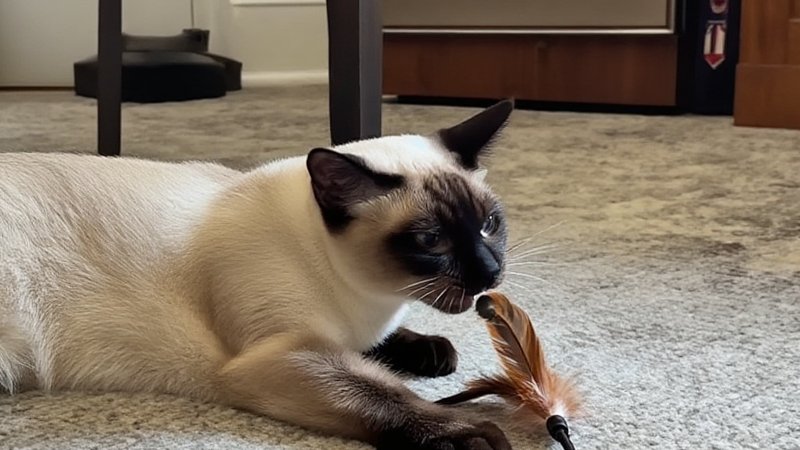
Two habits slow this problem down more than anything the vet can do. First, stopping flea treatment the moment the fur starts coming back — the full course is what proves or disproves the allergy, and a half-course proves nothing. Second, assuming hair loss means dry skin and reaching for a shampoo or supplement while the real cause keeps working. Skin products do not harm most cats, but they quietly consume the two-to-four-week window in which a flea trial would have given a clean answer. And if the cat is pulling fur with visible anxiety attached, that is a conversation about environment and enrichment that the visit can open — but it should be the last door tried, not the first. Cats with persistent urinary signs or itching that affects the litter-box routine are a different diagnostic story entirely, and blood in cat urine covers where that path goes.
This article is editorial content produced by the CatVetFinder team. Clinic details are drawn from public listings and may change — always confirm hours and services with the clinic directly.