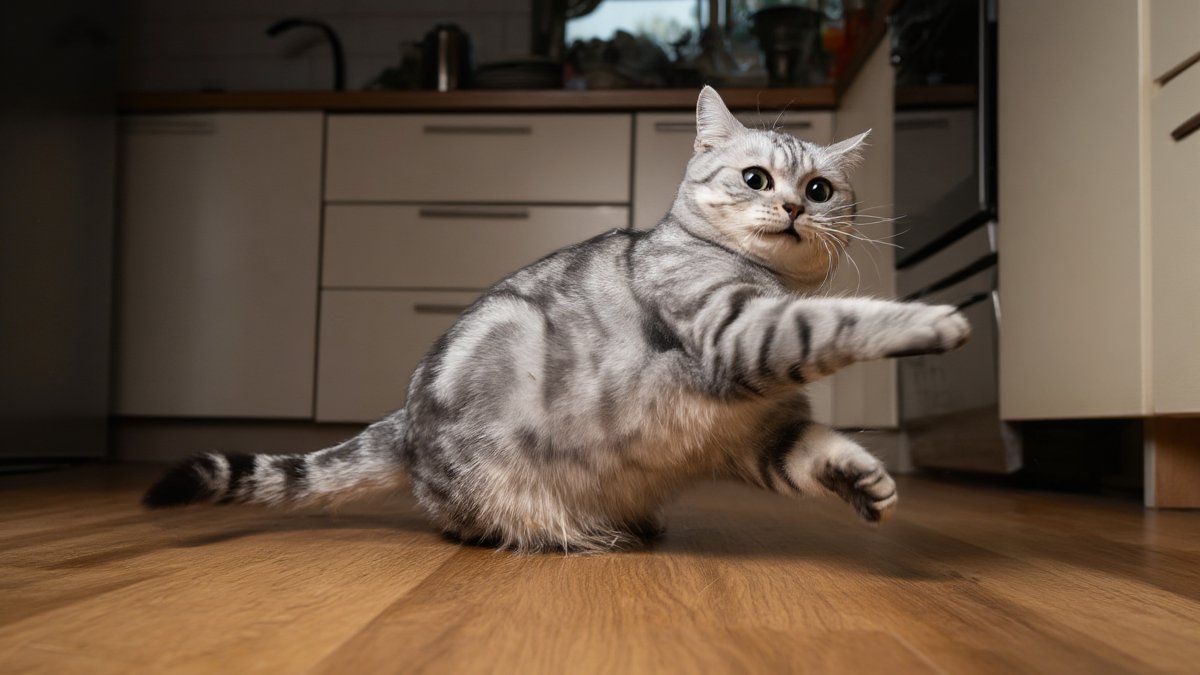
A cat mid-shake is one of those sights that stops an owner mid-step. Sometimes the explanation is boring in the best way — the cat just woke up, or the furnace is off, or something startled it and the whole body did what bodies do. Other times trembling is the only outward sign of something that genuinely needs a same-day exam: pain, a fever, a blood-sugar crash, or something the cat ate that it should not have. The trouble is that cats compress their symptom vocabulary. A dog that hurts limps; a cat that hurts sometimes just sits very still and shakes. Sorting harmless trembling from warning-sign trembling comes down to a handful of observable details, and those details are worth knowing before you decide between waiting until morning and calling the clinic now.
First, the Ordinary Reasons Cats Shake
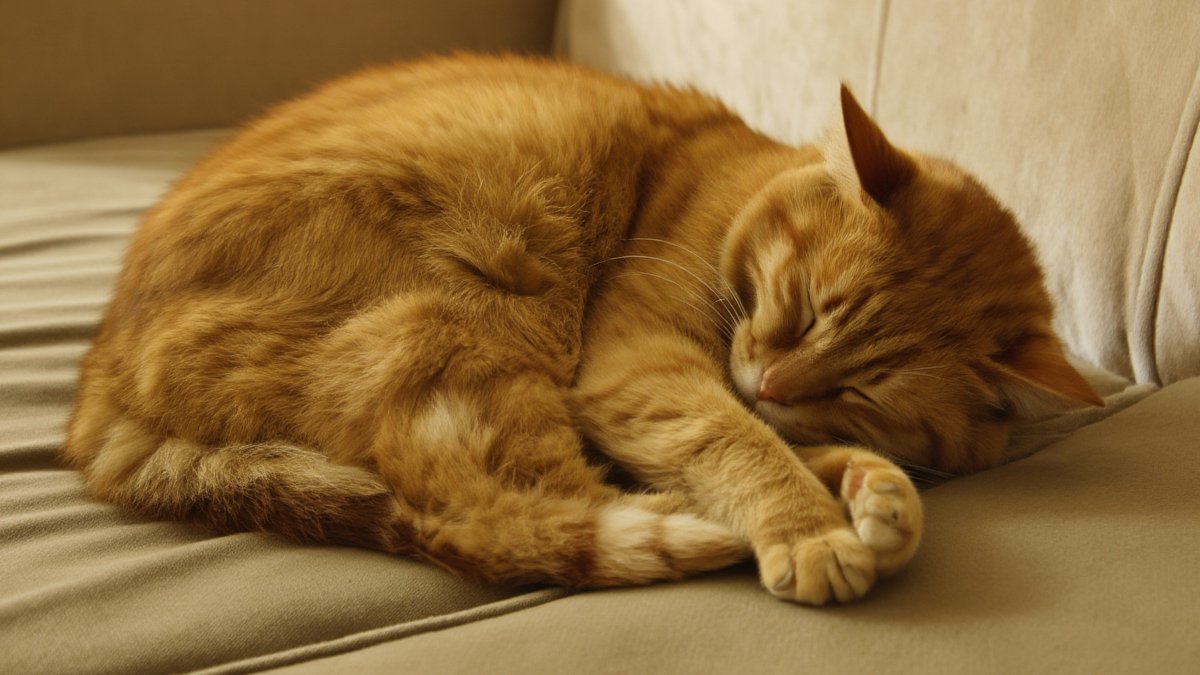
Most shaking owners see falls into a few familiar buckets, and each has a telltale context. Shivering after waking or after a cool nap is thermoregulation — cats run warm, and a brief shiver warms the muscles back up. Shaking during deep sleep is usually dreaming; the paws twitch, the whiskers tremble, and it stops the moment the cat surfaces. Shaking the head after waking is closer to grooming housekeeping than to a symptom. And emotional trembling — the full-body quiver of a cat at the vet, or when a vacuum ran an hour ago, or when a new cat appeared at the window — is adrenaline, and it resolves within minutes once the cat feels safe again. The pattern to remember: benign shaking is brief, tied to an obvious context, and the cat behaves completely normally afterward.
The Versions That Need a Vet — and How Fast
The concerning categories share one feature: the shaking is not the whole story. Pain is the most common hidden driver. A cat with a painful joint, an injured back, or abdominal discomfort may tremble while resting, flinch when touched over one spot, or shake after jumping down from a surface it used to hop off without thinking. Toxin exposure shakes differently — permethrin (the dog-only flea product that is dangerous to cats), certain household chemicals, and some plants produce pronounced muscle tremors that build rather than fade; that combination is an emergency, full stop. Metabolic problems shake quietly but persistently: low blood sugar, kidney disease, and overactive thyroid can all surface as fine tremoring, usually alongside weight change, increased thirst, or behavior shifts. And then there is the neurologic end of the spectrum — true seizures, which look like shaking but are not: a seizing cat is unresponsive, often stiffens and paddles, and does not know it happened. That distinction matters because the follow-up paths are completely different.
The Five-Minute Triage Before You Call
A short observation session gives a vet enormously useful information. Run through this sequence while the episode is fresh or recurring:
- Where is the shaking? Whole-body shivering, localized twitching over one flank or one ear, or tail-tip quivering each point in different directions. Localized twitching that stays in one muscle group deserves a vet look even when the cat seems fine.
- When does it happen? Only at rest, only after eating, only under stress, or constantly — the timing narrows the cause list faster than anything else.
- How long does it last? Seconds that end on their own read very differently from tremoring that continues for minutes or repeats in waves.
- Is the cat responsive during it? A cat that looks around, walks away, and resumes normal behavior is different from a cat that stares through you. Responsiveness is the seizure line.
- What else changed? Appetite, water intake, litter box habits, weight, hiding, a new medication or flea product — write down anything off, because these details turn a vague complaint into a workable case history.
Own a Veterinary Clinic?
Enjoyed this article? Our editorial team researches, writes, and publishes professional features just like this one about clinics across the US. Get your practice in front of thousands of cat owners searching for a vet in your city.
What the Vet Workup Usually Looks Like
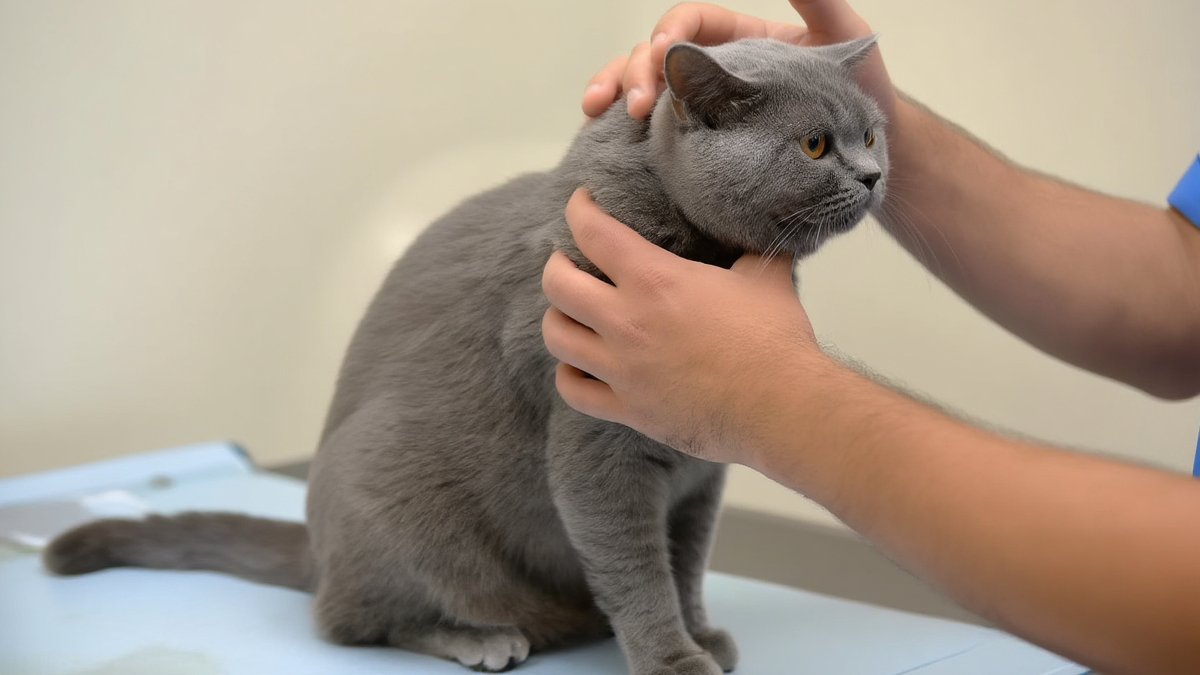
Because shaking is a symptom rather than a diagnosis, the exam is a process of elimination performed in a sensible order. A hands-on exam finds the pain sources first — dental disease, joint pain, injury, and painful skin conditions are all checkable in the room. If the shaking survives a clean physical exam, the next step is baseline bloodwork, which catches the metabolic suspects: thyroid levels, kidney values, and blood glucose between them rule in or out the most common internal causes. Ear infections get checked with an otoscope because head shaking with itchy, dirty ears is one of the most common presentations vets see. When nothing on that ladder explains it and the episodes continue, the conversation moves to video — owners who record an episode on their phone often settle a diagnostic debate in seconds, because a seizure, a tremor, and a stress response look different on film even when the description of all three is "shaking." Bring the video. It genuinely helps.
A Worked Example: Roose Animal Hospital, Plymouth, MI
Roose Animal Hospital
509 W Ann Arbor Trail, Plymouth, MI, 48170
Phone: (734) 451-2870
⭐ 4.9 (39 reviews)
A shaking cat benefits from a practice that can take the full ladder in one building, and that is the profile of Roose Animal Hospital, an AAHA-accredited hospital on W Ann Arbor Trail in Plymouth, Michigan. The accreditation matters here for a practical reason: AAHA hospitals are voluntarily held to a detailed set of standards covering diagnostics, pain management, and record-keeping, which is exactly the toolkit a symptom-with-many-causes case needs. Roose has been serving Plymouth area families — dogs, cats, birds, and reptiles — for more than twenty years and holds a 4.9-star rating across 39 client reviews, the kind of score a hospital earns by explaining what it finds rather than just billing for it. If your cat is in the middle of an episode you cannot explain, call (734) 451-2870 and describe what you observed using the triage list above; owners across the metro area can also compare the full cat vets in Plymouth, MI listing to find the practice that fits.
The Takeaway
Shaking in a cat is usually the body doing something ordinary — warming up, dreaming, processing a scare. It becomes a symptom when it is new, persistent, localized, or accompanied by any change in how the cat eats, hides, drinks, or responds to you. Record what you see, note the context, and let a vet turn that observation into an answer. The gap between "he was shivering" and "he trembles every evening and has stopped finishing his food" is the difference between reassurance and an early diagnosis, and cats are worth closing that gap for.
This article is editorial content produced by the CatVetFinder team. Clinic details are drawn from public listings and may change — always confirm hours and services with the clinic directly.