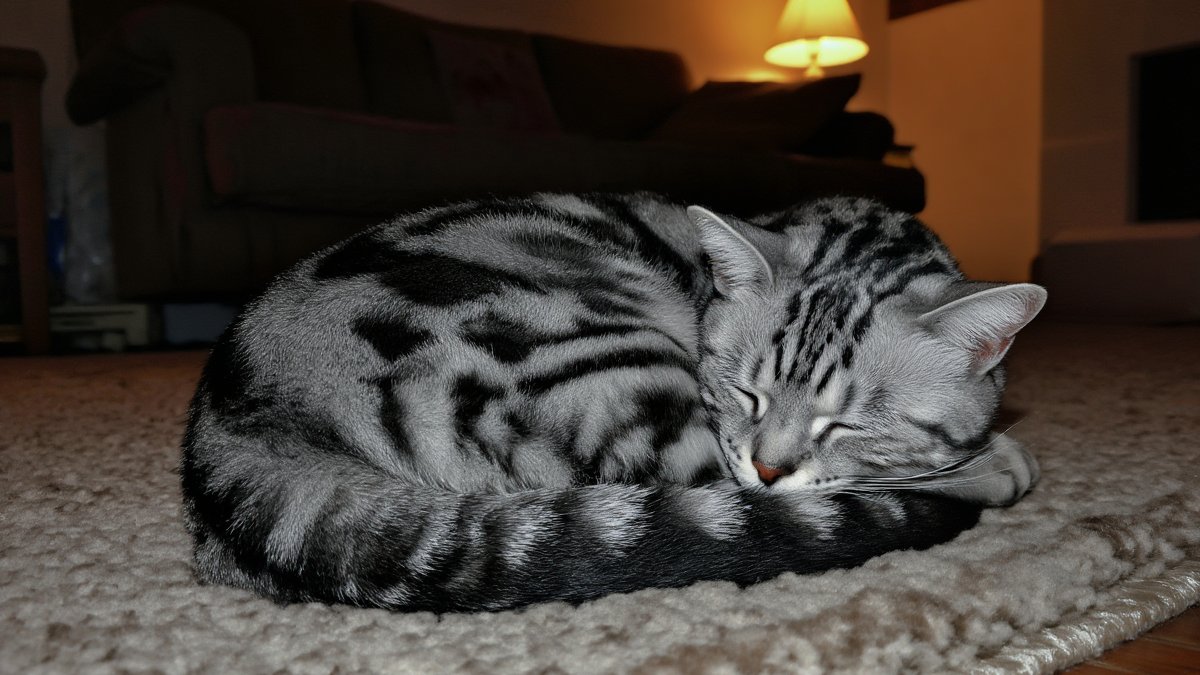
Few things an owner can witness are as frightening as their cat seizing — the sudden collapse, the paddling legs, the jaw chattering, the blank stare. And few situations reward a clear head more, because the correct response is counterintuitive: do not touch the cat's mouth, do not try to hold it still, and do not rush to scoop it into a carrier mid-episode. A seizure in a cat has a defined arc, most single episodes end on their own within a minute or two, and what you do in the minutes after the episode is over matters more for the cat's outcome than anything you can do during it.
This guide follows the problem-plan shape: first what a seizure actually is and what it looks like, then the causes a vet works through when it happens, then the plan — a step-by-step owner response for the episode itself, the immediately-after, and the diagnostic workup that follows.
What a Seizure Is — and What It Is Not
A seizure is a sudden burst of uncontrolled electrical activity in the brain. In cats it shows up on a spectrum. The full generalized seizure — falling, rigid legs, paddling, jaw movement, possible loss of bladder control — is the dramatic version. There is also the subtler partial seizure: twitching of one side of the face, snapping at the air, or a sudden bout of uncharacteristic frantic behavior. And there is the post-seizure phase that owners often misread as a second event — minutes to hours of wobbliness, blindness that is temporary, restlessness, or hiding. Seizures are not the same as fainting, which is a cardiovascular event with limp collapse but no paddling; and they are not the same as the tremors of cold, fear, or pain. The distinctions matter because they lead to different workups.
Own a Veterinary Clinic?
Enjoyed this article? Our editorial team researches, writes, and publishes professional features just like this one about clinics across the US. Get your practice in front of thousands of cat owners searching for a vet in your city.
The Causes Vets Rule Out, in Rough Order
Cat seizures divide into three big buckets: problems outside the brain that reach it through the bloodstream, physical brain disease, and epilepsy — idiopathic seizure disorder with no identifiable lesion. The history and test results decide which bucket fits.
- Toxins — the most urgent bucket, because treatment is time-sensitive. In cats the classic culprits are permethrin-based dog flea products applied to the cat, lily ingestion, certain human medications left in reach, and heavy environmental exposures.
- Metabolic disease — kidney failure, severe liver disease, low blood sugar, and thyroid extremes all can drive seizures; these are found on routine bloodwork.
- Infectious and inflammatory brain disease — including FIP, toxoplasmosis, and feline leukemia-associated inflammation, more common in outdoor or multi-cat cats.
- Structural brain disease — tumors and trauma, increasingly on the list as cats age past ten.
- Idiopathic epilepsy — a diagnosis of exclusion, assigned when everything above comes back clean. It is managed, not cured, and often managed well.
- Reactive events — severe dehydration, heat, or a sudden metabolic swing in a sick cat can produce a one-time seizure without a recurring disorder.
The Plan: What You Do, Step by Step
The plan has three phases — during, immediately after, and the follow-up workup. During the episode, the entire job is safety and observation.
- Clear the area — move furniture, close the distance to stairs, and dim lights if you can reach a switch safely. Never put your hands near the cat's mouth; cats mid-seizure bite reflexively and cannot mean to.
- Time it — the length of the episode is diagnostic information, and the five-minute threshold is the emergency line. Use a phone timer.
- Do not restrain or wake the cat — restraint does not shorten the seizure and you can be bitten.
- Note the details while they are fresh — which parts of the body, one side or both, loss of bladder control, how long the recovery took. This log is what the vet will ask for.
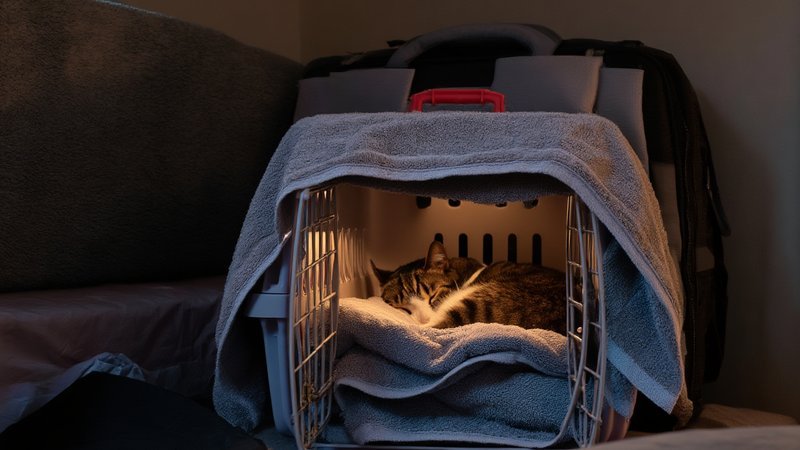
- After it ends, keep the cat in a dark, quiet, enclosed space — a carrier lined with a towel is ideal — and let the post-seizure phase run its course without crowding.
- Phone your regular vet the same day, even after a first short seizure, to plan the workup; go to an emergency clinic instead if the episode was long, repeated, or the cat does not steadily improve.
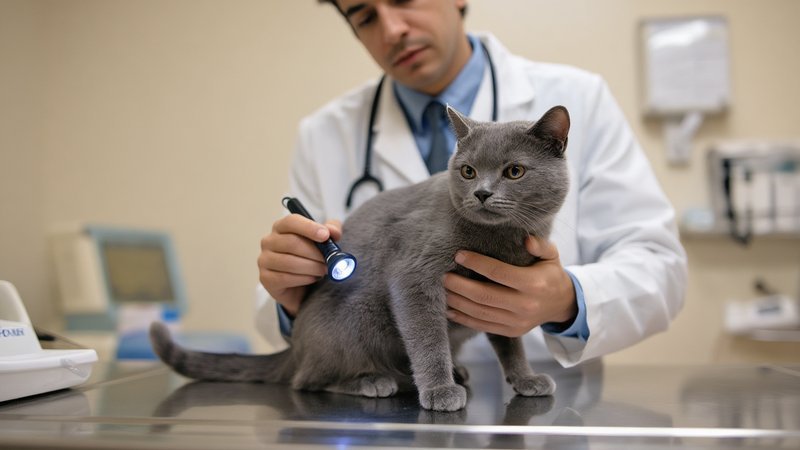
The workup that follows a first seizure is methodical rather than dramatic: a full blood panel screening the metabolic causes, blood pressure measurement, a neurological exam, and imaging of the brain (an MRI or CT) when the bloodwork is clean and the pattern suggests a structural cause. If a toxin is suspected, treatment starts before every result returns — toxic seizures are treated against the clock. A cat diagnosed with idiopathic epilepsy typically goes onto anticonvulsant medication when seizures are frequent or clustering, with follow-up monitoring adjusting the dose.
What This Looks Like in Practice: Unleashed by Petco
Unleashed by Petco
614 W Huntington Dr, Monrovia, CA, 91016
Phone: (626) 359-9163
⭐ 4.4 (290 reviews)
Here is a worked example of the neighborhood layer of this plan. Unleashed by Petco in Monrovia, CA at 614 W Huntington Dr — rated 4.4 stars across 290 reviews — is the kind of retail-adjacent service point many owners pass weekly. It is not an emergency hospital and does not run overnight neurology; its realistic role in a seizure plan is earlier and later: a place a cat already visits, where vaccination records and preventive care are kept current, and where the staff can point a worried owner toward the nearest 24-hour emergency facility for an event like status epilepticus. Know the emergency option's address and phone number before you ever need it — write it on the fridge or save it in your phone now, while nothing is wrong. Their line is (626) 359-9163.
The deeper takeaway: seizure response is a plan you make in advance. The owner who has already identified the nearest emergency hospital, already keeps the cat's medication and toxin exposures documented, and already knows the five-minute rule makes better decisions under stress than one who is figuring it out mid-crisis.
Questions Cat Owners Ask About Seizures
Seizures sit inside a wider set of sudden-onset events worth knowing in advance. Cat emergency symptoms is the checklist for the whole category, cat coughing vs hairball covers the strangest mimic owners describe, and cat dehydration signs explains the wobbly, drained state that often gets misread in the hours after an episode. For the toxin angle specifically, heat and overheating signs covers the heat-related seizure risk, and flea treatment safety explains why cat-labeled parasite products are the only ones that belong on a cat.
This article is editorial content produced by the CatVetFinder team. Clinic details are drawn from public listings and may change — always confirm hours and services with the clinic directly.