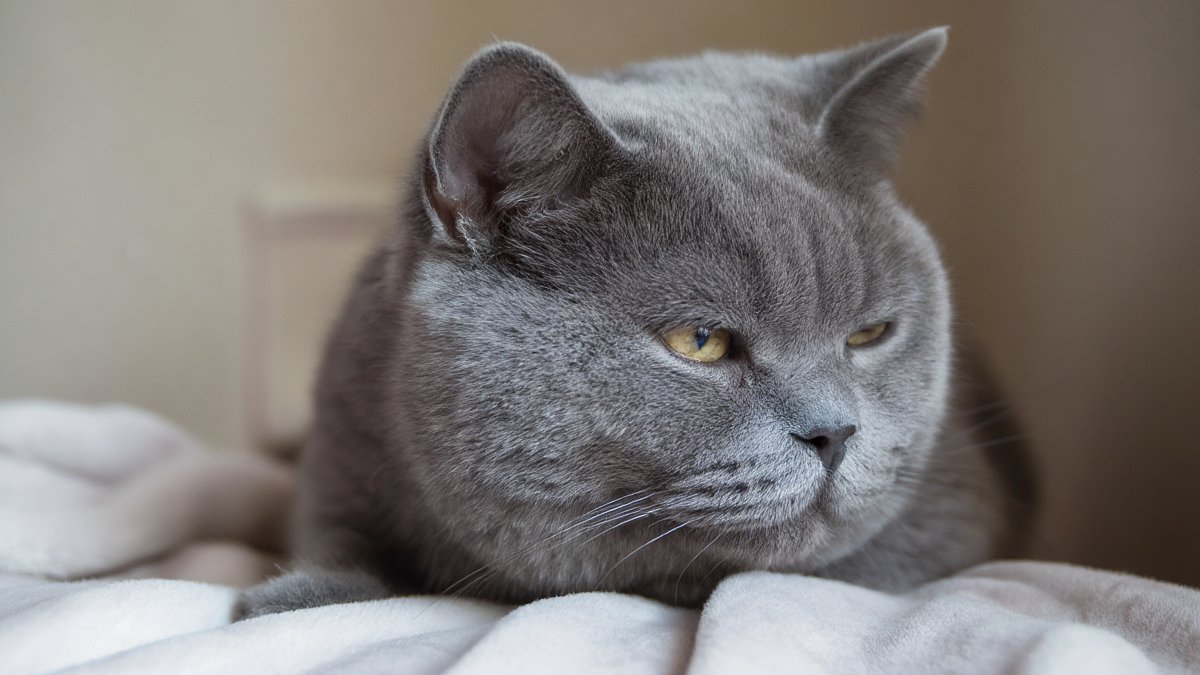
Facial swelling in a cat almost never announces itself politely. One morning the cheek below the eye is subtly rounder, or the jawline looks asymmetric in a photo, and by the next day the puffiness is unmistakable. In adult cats — especially middle-aged and older ones — the most common explanation is dental: a tooth root abscess, where infection at the root of a compromised tooth builds pressure until it pushes the surrounding tissue into visible swelling. Cats hide oral pain with real commitment, so the swollen face is frequently the first thing an owner ever sees. That is why this specific swelling deserves a same-week, often same-day, veterinary exam rather than a wait-and-see.
This guide works through a practical checklist of what a swollen face can mean, why tooth root abscesses form in the first place, what the vet visit involves from exam to extraction, and what recovery looks like — plus the warning signs that move an appointment from "this week" to "right now."
First, the Checklist: What a Swollen Cheek Can Be
- Tooth root abscess — swelling sits below the eye or on the cheek, usually on one side, over a fractured or decayed premolar. Often warm, sometimes tender. The single most common cause in adult cats.
- Cat bite abscess — a puncture from another cat seeds infection under the skin; swelling can appear anywhere on the face or head and often feels like a hot, fluid-filled pocket. Common in outdoor or door-dashing cats.
- Insect sting or reaction — sudden, sometimes dramatic swelling of the muzzle, often within hours of a sting. Usually symmetric and short-lived.
- Foreign body or gum injury — a splinter of food or grass wedged between cheek and gum, with localized swelling around the irritation.
- Growths — slower, painless, progressively larger swelling over weeks, most often in older cats. Needs imaging and a biopsy to sort out.
- Trauma — a fall or a knock, with swelling from bruising or a jaw injury; check for other signs like reluctance to move or eat.
Why Tooth Root Abscesses Form in Cats
The tooth root abscess story begins with enamel. When a tooth fractures — from biting something hard, from trauma, or when severe tartar disease strips the protective layers — bacteria reach the inner structures of the tooth and descend to the root. At the root tip, the infection builds a pocket of pus. Because the roots of the upper premolars sit just beneath the eye and cheek, that pressure shows up as facial swelling long before the cat complains about its mouth. A tooth can be broken for months while the cat keeps eating, because cats manage to chew on the unaffected side. Infection can also travel downward from untreated gum disease, which is why routine dental checks catch these earlier.
The behavior you often get instead of a cry of pain: chewing on one side only, dropping pieces of kibble, a sudden preference for soft food, mild face pawing on one side, or shying away when touched near the cheek. Any of those alongside a swollen face makes a dental abscess the leading suspect.
What the Vet Visit Actually Involves
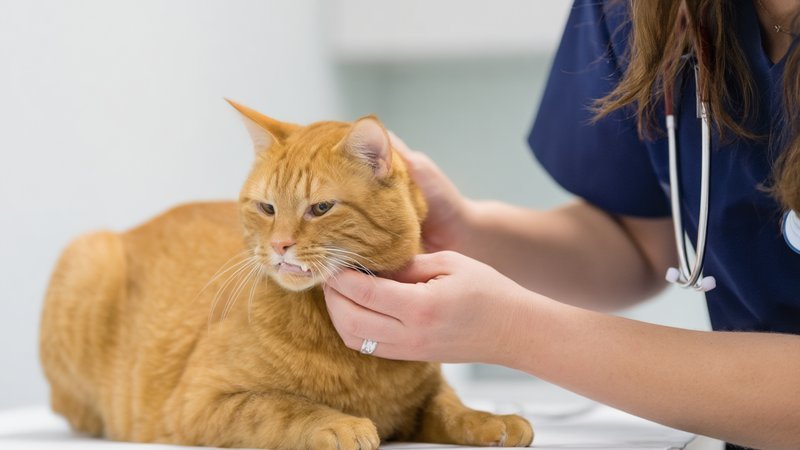
- Exam and palpation — the vet maps the swelling, checks the mouth for a fractured or discolored tooth, and looks for drainage points on the gum.
- Imaging — dental X-rays are the decisive test. They show the root infection and which teeth are involved; a visible abscess is confirmed, and neighbors of the bad tooth are checked too.
- Drainage and cleaning — if there is a fluid pocket, it may be lanced and flushed under sedation to relieve pressure.
- The definitive fix — for a tooth root abscess the treatment is extraction of the affected tooth, because an infected root cannot be sterilized in place. Antibiotics alone buy time and the swelling almost always returns when the course ends.
- Antibiotics and pain control — prescribed alongside the extraction to clear remaining infection and keep the cat comfortable through recovery.
- Follow-up recheck — to confirm the extraction site is healing and the swelling has fully resolved.
Own a Veterinary Clinic?
Enjoyed this article? Our editorial team researches, writes, and publishes professional features just like this one about clinics across the US. Get your practice in front of thousands of cat owners searching for a vet in your city.
Extraction sounds drastic to owners, but cats do remarkably well without the affected premolar — they chew fine, the pain stops within days, and the face deflates as the infection drains and settles. The alternative, repeated antibiotic courses, tends to produce a cycle of shrinking and re-swelling until the tooth is finally removed.
Recovery at Home: What a Good Week Looks Like
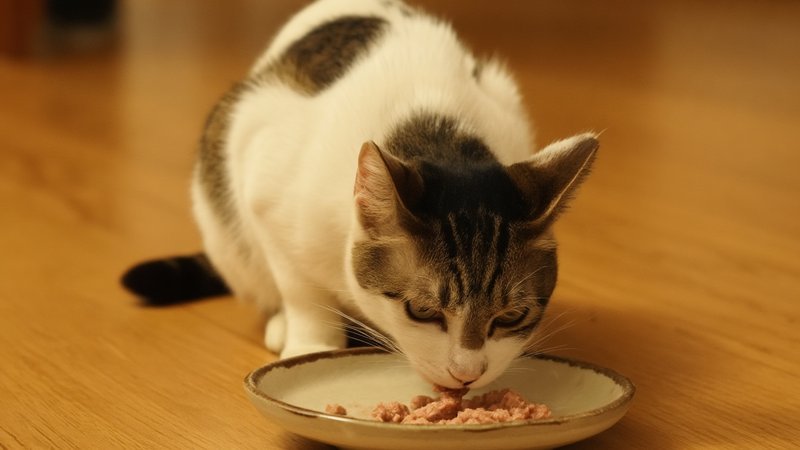
- Soft food for several days — most cats return to regular kibble within a week, but a soft-food start makes the first days easy.
- All pain medication and antibiotics finished on schedule, even when the cat already looks better.
- No hard treats, chews, or toys while the extraction site heals.
- Watch for improvement trend: swelling should visibly decrease within two to four days of treatment.
- A follow-up dental plan — if one tooth abscessed, the others were checked, and the vet may recommend a schedule for future cleanings to catch the next one early.
What This Looks Like in Practice: Heart + Paw
Heart + Paw
6200 US Route 30, Hempfield Square, Greensburg, PA, 15601
Phone: (724) 835-5578
⭐ 4.8 (637 reviews)
Here is one worked example of where this kind of case lands. Heart + Paw in Greensburg, PA operates out of 6200 US Route 30, Hempfield Square, with a 4.8-star average across 637 reviews — the kind of general practice where a swollen-cheek cat gets the full workup in one place: mouth exam, dental X-rays, and, if the X-rays confirm the abscess, a treatment plan and extraction scheduling under the same roof. For a first swollen-face visit, the useful thing to tell the front desk is the timing (noticed this morning versus worsening for a week) and whether the cat is still eating. Their number is (724) 835-5578.
The takeaway from a practice like this one: the exam is quick, the imaging is what settles the diagnosis, and the earlier the abscess is treated the simpler the surgery. A cat examined in the first days of swelling usually needs one extraction; one examined after weeks of intermittent antibiotics may have bone involvement and a longer procedure ahead.
Questions Cat Owners Ask About Facial Swelling
Facial swelling often arrives alongside other mouth problems worth reading about. Cat dental disease and cleaning explains the tartar-to-abscess pipeline, cat dehydration signs explains the low-fluid states that make eating and recovery harder, and cat bad breath that is not normal describes the smell that usually precedes the swelling. For the wider emergency picture, cat emergency symptoms lists which signs justify an after-hours trip.
This article is editorial content produced by the CatVetFinder team. Clinic details are drawn from public listings and may change — always confirm hours and services with the clinic directly.