Cats are descended from desert animals and they wear that ancestry in their plumbing: a healthy cat drinks surprisingly little, concentrates urine fiercely, and gets most of its water from food. That same biology is why dehydration in cats sneaks up. By the time a cat is visibly uninterested in water, or the water bowl has gone untouched for a day, the deficit is usually real — and cats hide the rest of the picture (lethargy, dry gums, quiet hiding) until the deficit is well advanced.
The problem-plan shape of this guide: what dehydration actually is in a cat, the physical signs you can check at home in two minutes, who is most at risk, what to do in the first hours, and — because home care has a hard ceiling — the point at which fluids under the skin at a clinic stop being optional.
The Two-Minute Home Check
- The skin tent test — gently lift the loose skin between the shoulder blades and let go. It should snap back instantly. A fold that settles back slowly or stands in a tent points to meaningful fluid loss. (Older cats have looser skin, so interpret a senior's "slow" tent with care.)
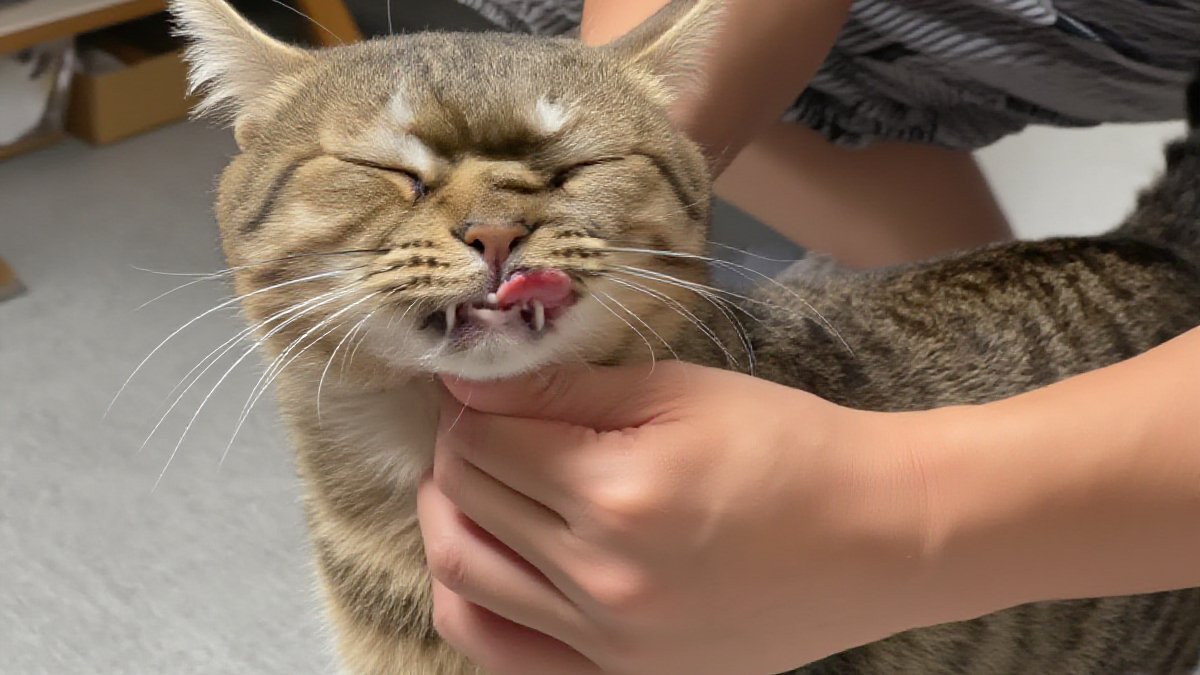
- The gum check — healthy gums are slick and pink. Dry or tacky gums, or gums that look pale, are a dehydration sign worth acting on. Run a finger along them; sticky is the tell.
- Water bowl math — if you know roughly how often the bowl gets topped up, a sudden stop, or the opposite (drinking noticeably more), both are data. Increased drinking can mean kidney disease or diabetes — dehydration and its causes run both directions.
- Litter box output — smaller, darker, drier clumps mean the kidneys are holding on to every drop. A day with no urine at all is not dehydration management territory; that is an emergency phone call.
- Eyes and energy — sunken-looking eyes, a third eyelid showing, and a cat who is flat and uninterested rather than merely lazy round out the picture.
Why Cats Get Dehydrated: The Usual Suspects
The cause list matters more in cats than the symptom list, because the treatment differs completely depending on which one is driving.
- Vomiting and diarrhea — the fastest fluid drain there is. A cat with a stomach bug or a dietary upset can go from fine to dehydrated in a day.
- Hot weather and heat stress — a closed-warm-room cat, a panting overheated cat, or an outdoor cat on a triple-digit afternoon. Cats rarely pant; when one does, heat is winning.
- Kidney disease — the classic senior-cat driver: the kidneys lose concentrating ability, the cat urinates copiously, and water intake never quite catches up.
- Diabetes and hyperthyroidism — both push urine output up and, unchecked, drag the cat toward dehydration.
- Not eating — wet food supplies most of a cat's water; a cat that stops eating quietly dehydrates even with a full bowl, because kibble adds almost nothing.
- Just being a picky drinker — some cats under-drink chronically, especially on dry-food-only diets. Not an emergency, but a slow setup for constipation and urinary trouble.
The Plan: First Hours at Home
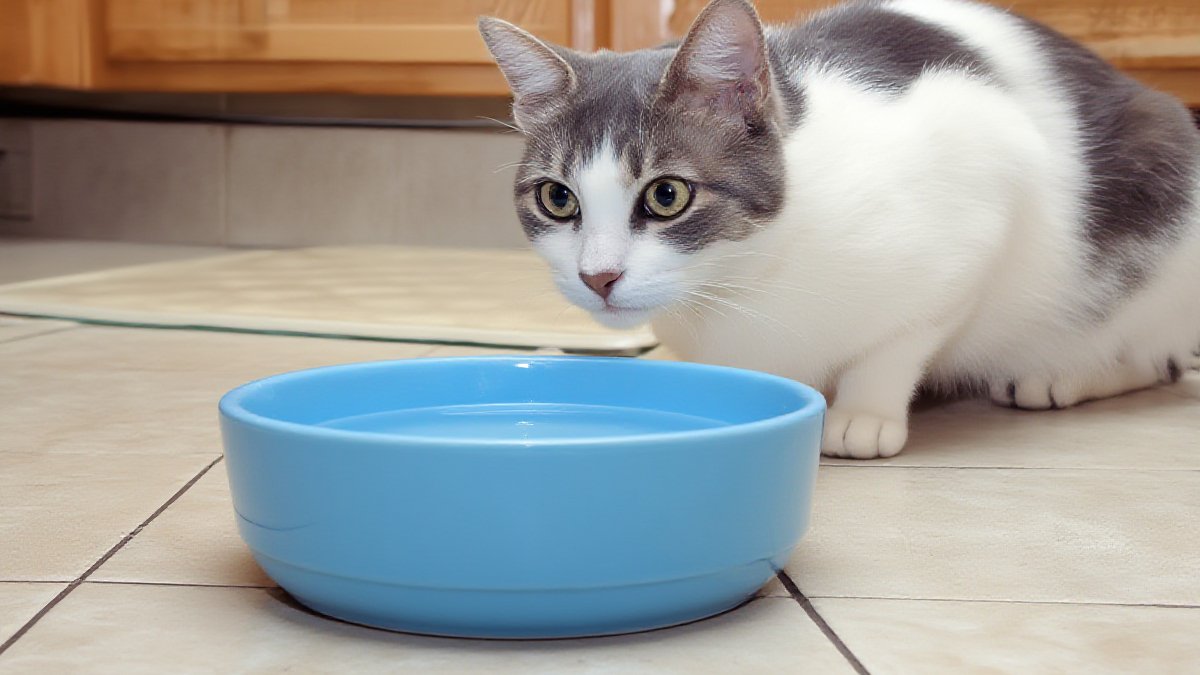
For a mildly off cat — still alert, some appetite, no vomiting — the home move is water architecture, not force. Switch meals to wet food, which carries several times the water content of kibble; that one change does more than any fountain. Add a second and third water station away from food bowls, since many cats will not drink where they eat. Try a wide, shallow ceramic bowl — whisker fatigue against deep narrow walls is real — and consider a circulating fountain for cats drawn to moving water. Flavor water lightly with a spoonful of tuna water (in water, not oil) as a short bridge.
What not to do: do not syringe large volumes of water into a cat — aspiration risk is real and it teaches the cat to fear the whole exercise. Do not wait out a cat that is actively vomiting or refusing all food; cats deteriorate fast once both doors close, and a fasting cat also flirts with hepatic lipidosis. And never attempt under-the-skin fluids at home unless a veterinarian has actually taught you the technique and handed you the supplies — it is a genuinely useful skill for chronic-kidney cats, but it is a prescription skill, not a improvisation.
When Dehydration Means the Vet Today
Own a Veterinary Clinic?
Enjoyed this article? Our editorial team researches, writes, and publishes professional features just like this one about clinics across the US. Get your practice in front of thousands of cat owners searching for a vet in your city.
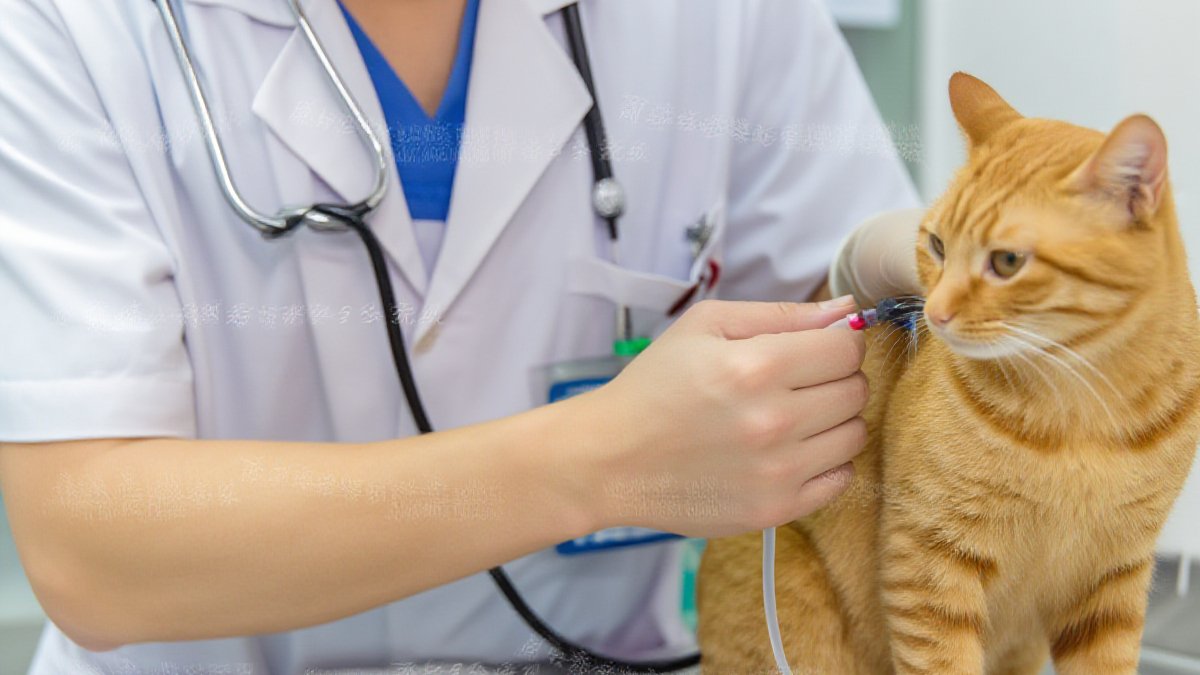
Treat it as same-day when the skin tent is slow and the gums are tacky, when vomiting has repeated more than twice, when the cat has refused food for a full day, when there is no urine in the box, or when the cat is a kitten or a senior — both age groups have almost no reserve. At the clinic the fix is fast and unglamorous: an exam to find the driver, then subcutaneous fluids (a pocket of sterile fluid placed under the skin that the body absorbs over hours — most cats tolerate it well) or, for severe cases, IV fluids with bloodwork to check kidneys and electrolytes. Most cats feel noticeably better within hours of real rehydration, which owners often find almost comically abrupt after a worrying weekend.
What This Looks Like in Practice: Vetco Total Care Animal Hospital, Chatsworth
Vetco Total Care Animal Hospital
19869 Rinaldi St, Chatsworth, CA, 91326
Phone: (818) 282-9377
⭐ 4.5 (152 reviews)
Vetco Total Care Animal Hospital on Rinaldi Street in Chatsworth is a full-service hospital in the northwest San Fernando Valley, holding a 4.5-star average across 152 client reviews — a large review base that speaks to steady daily volume rather than a handful of loyalists. For dehydration specifically, that scale matters: a same-day fluid appointment, bloodwork on site, and the senior-cat workup (kidney values, thyroid, blood sugar) can happen in one visit instead of three referrals. The phone is (818) 282-9377 and the hospital sits at 19869 Rinaldi St, Chatsworth, CA 91326.
The practical flow: call with the two-minute-check results — skin tent, gums, last urine, last meal, any vomiting. Expect the front desk to triage how quickly you should come in; dehydration with vomiting usually jumps the queue. Worth asking: will fluids be given subcutaneously or intravenously, is bloodwork included in the same visit, and what is the recheck plan — because the fluid deficit is the symptom, and the follow-up labs are how the real cause gets named. Around the west Valley, the cat vets in Chatsworth, CA directory lists other practices, and the full profile at Vetco Total Care Animal Hospital has hours and directions.
Cats evolved to conserve water so well that by the time they act thirsty, they are already behind. Watch the bowl, not just the cat.
Dehydration is rarely the whole story — it is usually the visible edge of something upstream. cat not drinking water digs into the picky-drinker side, cat kidney disease signs explains the senior-cat driver, cat constipation signs shows what chronic mild dehydration does downstream, and cat overheating signs covers the heat-stress version of the same deficit.
This article is editorial content produced by the CatVetFinder team. Clinic details are drawn from public listings and may change — always confirm hours and services with the clinic directly.