The shot itself is not what the bill is about. Owners calling clinics for vaccine prices are usually expecting one number and then meet the exam fee, the "wellness visit," the record-fee, and sometimes a reluctant suggestion of a senior panel — and the total lands at two to four times what the vaccine costs wholesale. That gap between expectation and invoice generates an entire genre of anxiety around a genuinely cheap and genuinely important thing.
This guide prices it honestly: what each core vaccine costs by itself, what the unavoidable visit wrapper costs, why the same FVRCP shot ranges from $25 to $90 depending on where you walk, what kitten vs adult schedules spend, and exactly how low-cost vaccination options differ from a full-service clinic visit — including what each is actually for. Vaccine pricing is one of the most transparent parts of vet medicine, once someone bothers to decompose the receipt.
The Line Items on a Vaccine Visit, Decomposed
Almost every "how much are shots" phone answer turns into a follow-up line-item question, so here is the actual decomposition. A full-service clinic vaccine visit is usually three numbers tallied together:
| Line item | Typical US range | Notes |
|---|---|---|
| FVRCP (feline distemper combo) | $25 – $60 | The core respiratory/panleukopenia vaccine; every adult cat needs this on a repeating cycle |
| Rabies vaccine | $15 – $40 | Legally required in nearly every US jurisdiction; 1-year vs 3-year versions differ slightly in price |
| FeLV (feline leukemia) | $25 – $45 | Core for kittens; lifestyle-dependent for adults after a negative test |
| Physical exam / office visit fee | $45 – $75 | The wrapper cost at a full-service clinic; often bundled at vaccine-only clinics |
| Health/record administration fee | $0 – $15 | The chart, the certificate, occasionally the printed rabies tag |
| Full kitten package (multi-visit series) | $75 – $200 total | Two to three FVRCP visits plus rabies, sometimes with fecal and deworming bundled |
| Full adult visit (FVRCP + rabies + exam) | $90 – $150 | The all-in walk-in number most owners should budget around |
Read those ranges against geography and clinic type. Specialty hospitals in metro markets tend to sit near the top of each range, suburban and rural clinics near the bottom, and nonprofit vaccine clinics or municipal clinics can run an FVRCP near the floor with no exam fee at all — because public-health vaccination is cheaper than the diseases it prevents, which is exactly why rabies clinics exist at county level all over the US. The price spread is rarely a quality difference in the vial; it is a difference in how much clinician time you are buying at the same appointment.
Why Two Cats at Two Clinics Can Pay Different Prices for the Same Shot
Own a Veterinary Clinic?
Enjoyed this article? Our editorial team researches, writes, and publishes professional features just like this one about clinics across the US. Get your practice in front of thousands of cat owners searching for a vet in your city.
The "same" vaccine visit varies for reasons that are worth knowing before the appointment rather than at checkout:
- Vaccine manufacturer and type. FVRCP comes in 1-year and 3-year formulations, and the 3-year product costs more per dose but less per year. Ask which one is going under the skin and what its re-vaccination date is.
- Examination rigor. Some clinics physically examine (temperature, heart, weight, dental grade) before vaccinating and charge the exam accordingly; vaccine clinics mostly do a brief wellness check. The exam time is where "we found a heart murmur" stories actually happen, which is why it is not purely overhead.
- Risk-based add-ons. FeLV testing, fecal testing, and deworming are vaccine-adjacent services frequently bundled into kitten visits. Each is reasonable; each also adds $25–$55 and should be expected rather than discovered.
- Regional cost of living. The same corporate clinic name prices differently in Florida and in the Bay Area; the vaccine lines specifically are less variable than the exam-fee lines.
Kitten vs Adult: What the Schedule Actually Spends
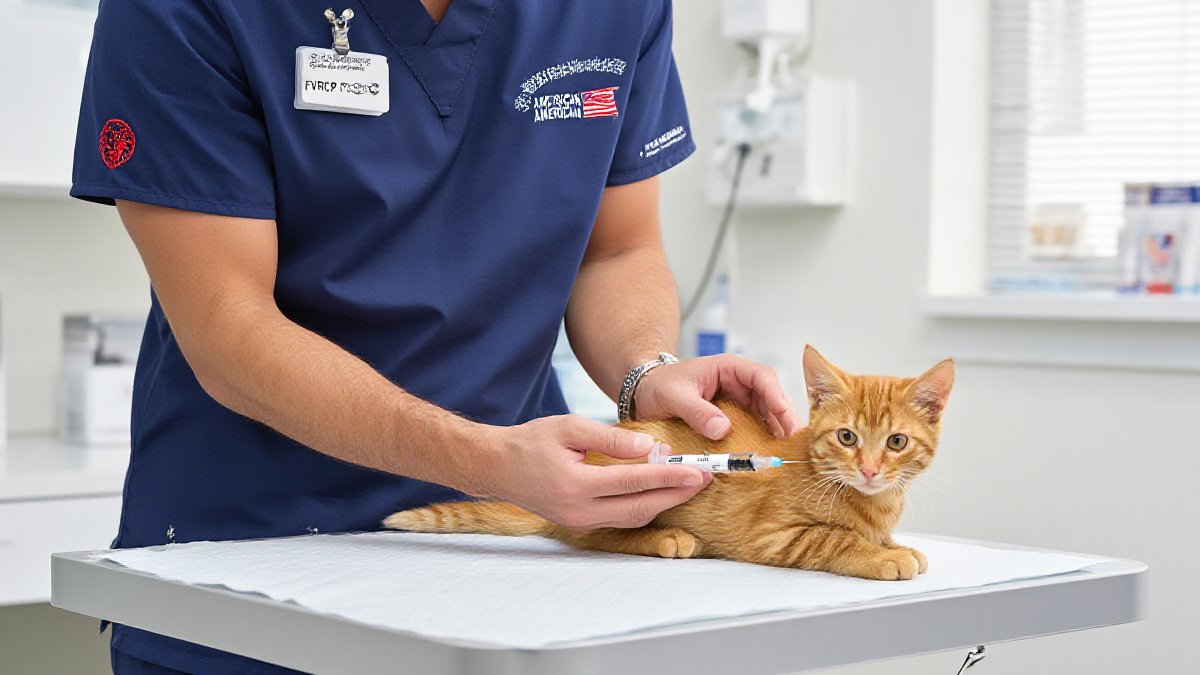
Kittens cost more in year one, not because of vaccine prices, but because of visit count. The standard series is stretched specifically because maternal antibodies can neutralize early doses — our guide to the kitten vaccination timeline explains the immunology — so budget roughly $75 to $200 across the series, spread over two to three visits. Adults on known schedule spend far less per cycle: one core visit, every one to three years depending on the vaccine type, at roughly $90–$150 per cycle. Roughly, an adult cat's vaccines average out near $50 a year across its life — cheaper than a single dental cleaning, and the single best price-to-impact ratio in all of veterinary medicine.
Low-Cost Vaccine Clinics vs Full-Service Clinics
- Vaccine-only clinics and mobile events: genuinely cheap ($15–$35 per core shot, minimal or no exam fee) and appropriate for a healthy adult on a known schedule. What they do not do: examine, address the matted coat, ask about the water intake, or update a chart anything beyond the shot. Vaccination is the product; medicine is not.
- Nonprofit and municipal clinics: similar pricing to vaccine events, often with more service depth; waitlists can stretch, which matters for kittens on a timeline.
- Full-service clinics: higher visit cost, but the exam is genuinely part of the visit, records live in one place, and anything found gets a coherent follow-up plan from the same team. For kittens, seniors, or any cat with anything going on, this is the right spend.
- Payment and wellness-plan practices: many full-service clinics bundle vaccines into an annual wellness plan billed monthly, which smooths the whole year's preventive care into one predictable line item. Our guide to vet payment plans covers how those plans are structured and where they work.
The practical rule most vets will tell you informally: use the cheap clinic for the healthy adult's routine boosters, and use the full-service clinic for the first year of a kitten's life, anything senior, and anything visibly off. Chronically dividing care between the two, without records going with the cat, is how vaccine intervals get muddled and boosters get duplicated unnecessarily.
What This Looks Like in Practice: Stone Ridge Animal Hospital, Ocala
For a worked local example of the full-service version, look at Stone Ridge Animal Hospital on State Road 40 in Ocala — a 4.6-star practice with more than 560 reviews and the set-up that makes vaccine visits part of real medicine rather than a drive-through. A clinic of this shape typically carries a full wellness-and-prevention service list — physical exams, core vaccines, dental work, senior screening — with enough maturity in the practice that your vaccine call is answered by someone who can read a chart and tell you whether FVRCP is actually due, rather than defaulting to "yes." That single difference quietly saves clients a meaningful amount over a cat's lifetime, and it is a fair reason to pay a modest exam-wrapper premium instead of chasing the absolute cheapest shot in town.
Stone Ridge Animal Hospital
5435 FL-40, Ocala, FL, 34482
Phone: (352) 351-3588
⭐ 4.6 (562 reviews)
Where the Money Should Actually Go
- The exam fee, without resentment. The twenty minutes a clinician spends with a stethoscope and a chart is the part of the visit that catches things vaccines never would — heart murmurs, lost weight, hidden dental disease.
- Three-year vaccine products, when a healthy adult qualifies. One visit every three years instead of one per year is half the lifetime vaccine spend with no medical downside for the cat.
- Rabies on schedule, everywhere, always. It is the legally required one and the one with real human-health consequences; rabies titer debates are for researchers, not for cats in Broward or Marion County.
- Kitten series on the calendar, never skipped. The series is the immunology, not marketing — skipping FVRCP boosters two and three is the classic path to panleukopenia in an adult cat that "was vaccinated" once.
- Skip: annual vaccines an indoor cat does not need, repeated FeLV tests for a strictly indoor single cat, and boutique "wellness panels" bolted onto a visit without a clinical reason. Asking "what is this actually for" at checkout is fair and perfectly professional.
Vaccine pricing is one of the few parts of feline medicine where the answer is genuinely small and the return is genuinely large. Whatever you spend on the core series across fifteen years, it will almost certainly be less than one emergency visit for any of the diseases the vaccines prevent — and the wrapper exam cost is not waste, it is the checkup the rest of the year does not have.
Questions Owners Ask About Cat Vaccine Costs
If the vaccine conversation pulled you here because of a first-ever kitten, the natural next reads are the week-by-week kitten vaccination timeline and the first-30-days checklist for a new cat — between them, they cover almost every confusing part of the first year.
This article is editorial content produced by the CatVetFinder team. Clinic details are drawn from public listings and may change — always confirm hours and services with the clinic directly.