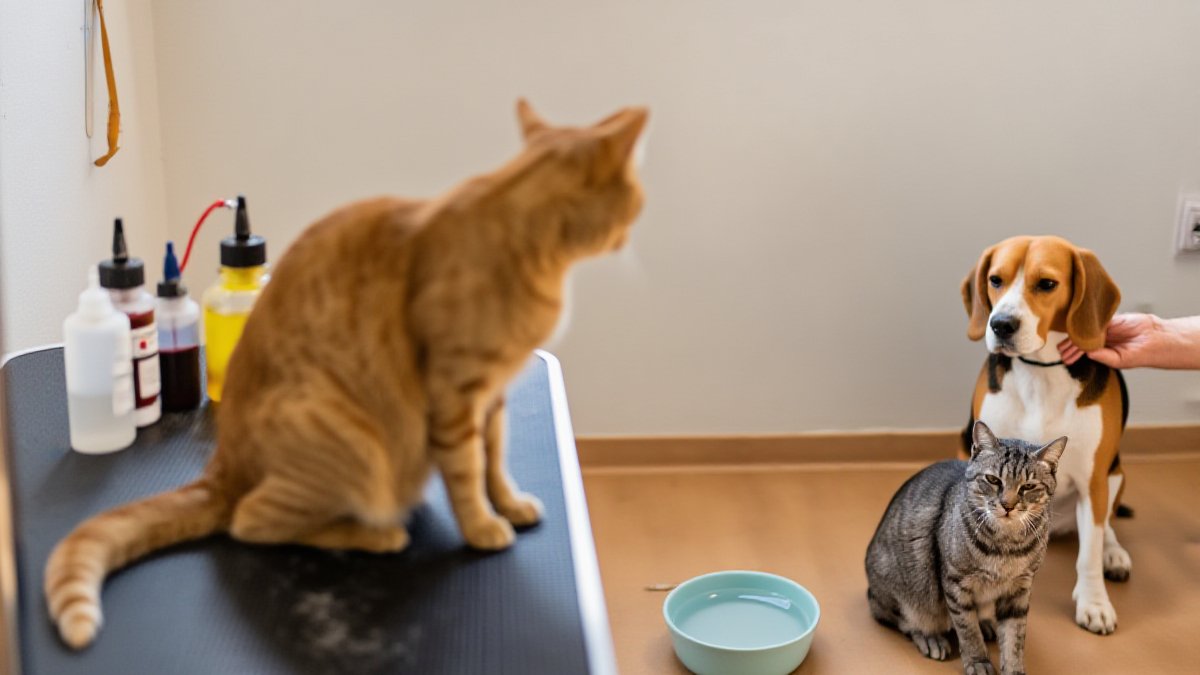
Finding a puddle of white foam next to your cat is one of the most common reasons owners end up on a search engine at midnight, and one of the most ambiguous symptoms in feline medicine. White foam is not a diagnosis — it is a physical description. Foam simply means the stomach brought up fluid mixed with air and saliva, which happens for reasons ranging from "the food bowl was empty too long" to conditions that need same-day attention.
The good news: the deciding factors are things you already know. How often it is happening, whether your cat seems sick otherwise, what the rest of the vomit and the litter box look like, and whether the cat still eats and drinks normally. This guide walks that triage in order, starting with the checklist, then the common causes behind foam, then the red flags that convert "watchful waiting" into "call today."
Start Here: The Five-Question Triage Checklist
- How many times? A single foam puddle in an otherwise normal cat is usually an empty-stomach event or a hairball warm-up. Repeated episodes in a day change the math and warrant a call.
- Is the cat acting sick? If she is eating, playing, grooming, and social as usual, the outlook is almost always benign. Lethargy, hiding, or refusing food alongside the foam moves everything up a level of urgency.
- What else is coming up? Foam with food or hairball material points to stomach irritation; foam with bile (yellow) suggests an empty stomach over hours; foam with blood — pink, red, or coffee-ground flecks — is a same-day problem.
- How is the litter box? Diarrhea, constipation, no stool, or no urine alongside vomiting narrows the cause list dramatically. A vomiting cat who also cannot pass urine is an emergency, full stop.
- Did anything change recently? New food, a new treat, a plant moved into reach, a possible string or toy piece missing — the history question your vet will ask first is the one you can answer now.
The Common Causes, Ranked From Ordinary to Urgent
The most frequent and least alarming explanation is an empty stomach. A cat whose last meal was many hours back — typically overnight, or on a free-feeding household where the bowl ran dry — can bring up foam and bile in the early morning. The tell is pattern: it happens at predictable times, the cat is fine afterward, and a small bedtime snack or more frequent smaller meals makes it disappear. Indigestion from eating too fast produces the same result in reverse — food arrives, the stomach protests, and foam comes up along with the meal.
Hairballs are the next rung. Foam, sometimes with a small amount of hair or fluid, can precede the actual hairball by a day or follow grooming-heavy stretches. Occasional is normal; weekly hairballs are a coat-brushing and diet conversation, and unproductive retching — the classic neck-extended, abdominal-flexing pose that produces nothing — is not a hairball at all. That pose is how both a gastric obstruction and certain respiratory problems present, and it deserves a same-day call.
Then there are the medical causes that foam is sometimes the first visible sign of. Gastritis from eating something irritating. Pancreatitis, which pairs vomiting with a hunched, painful posture and appetite loss. Kidney disease and hyperthyroidism in middle-aged and senior cats, both of which show up as intermittent vomiting long before the cat looks sick. Diabetes, less commonly. Parasites, especially in kittens and newly adopted cats. And the foreign bodies — hair ties, string, holiday tinsel — whose risk is exactly as out-of-proportion to their size as every emergency vet will tell you.
The 24-Hour Home Plan for a Normal-Acting Cat
Own a Veterinary Clinic?
Enjoyed this article? Our editorial team researches, writes, and publishes professional features just like this one about clinics across the US. Get your practice in front of thousands of cat owners searching for a vet in your city.
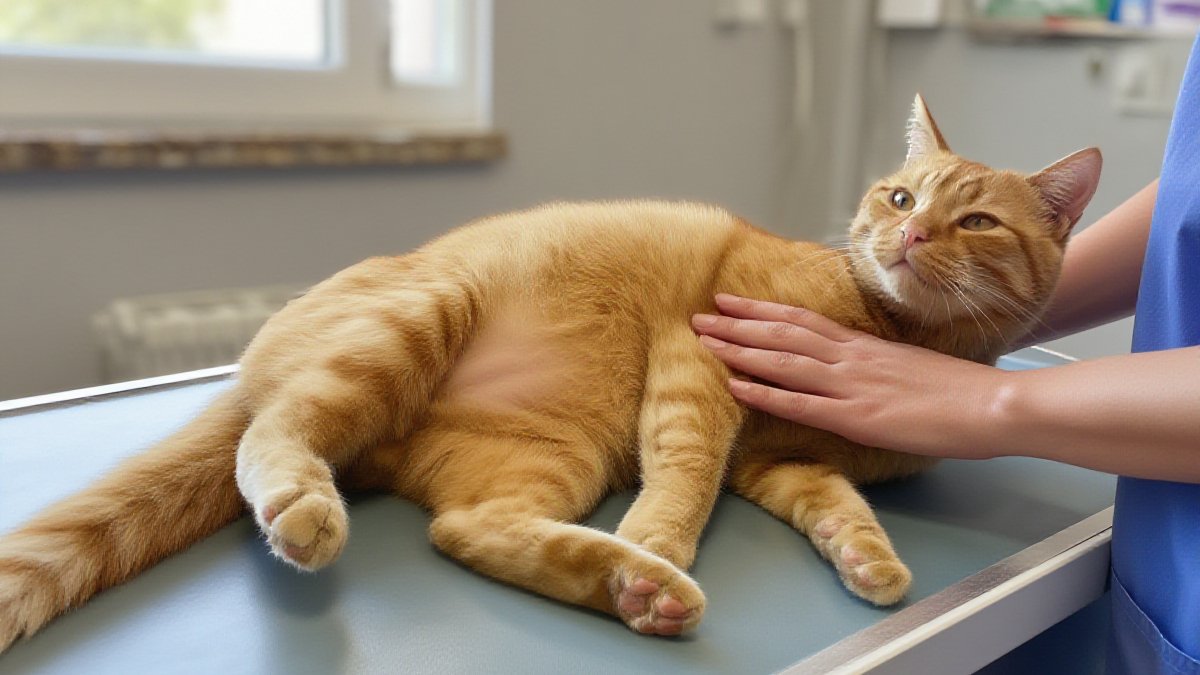
If the checklist came back reassuring — one or two foam episodes, normal energy, normal appetite, clean litter box history — a short structured watch is reasonable and standard:
- Withhold food for a few hours, never water. Cats who go without food too long risk hepatic lipidosis, so this is a short reset, not a fast.
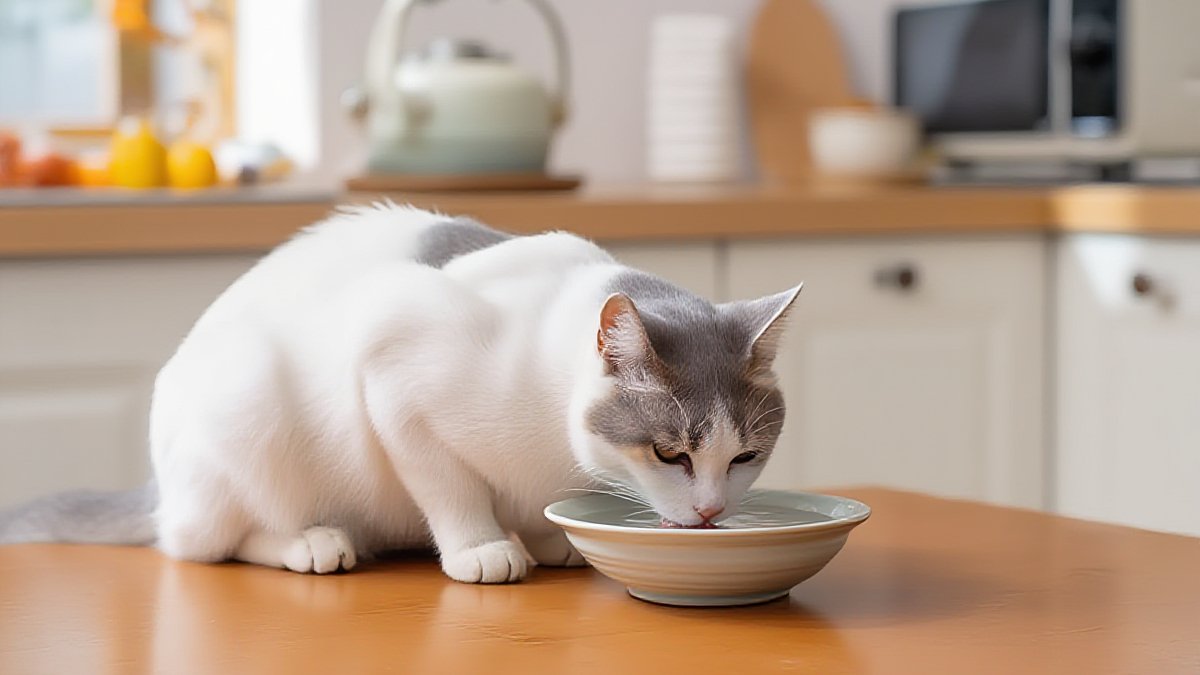
- Offer small amounts of water or a plain wet-food slurry. Watch for drinking that stays down.
- Restart with a tiny portion — a teaspoon or two of bland food — and if it stays down, feed small meals through the evening.
- Check the litter box and log what you see. Stool quality and urine output are diagnostic information.
- Reassess at 24 hours: no further vomiting, normal behavior — continue normal feeding. Any recurrence, any new symptom, any refusal of food beyond a day — call the vet with your notes.
The log matters more than owners expect. "She threw up foam three times since Tuesday, each time in the morning before breakfast, and her appetite is slightly down" gives a veterinarian a working differential in one sentence. "She seems off" starts the visit from zero.
When to Call the Same Day — No Waiting
- Vomiting that repeats across a day, or foam plus complete food refusal for more than 24 hours.
- Blood in the vomit — pink streaks, red flecks, or coffee-ground material.
- Retching with nothing produced, especially with a swollen or tense belly.
- Any vomiting in a cat who also cannot urinate or is straining in the box.
- Known or suspected string, ribbon, hair tie, or toy ingestion — before symptoms get bad, not after.
- Vomiting plus diarrhea, fever-feeling warmth, hiding, or a hunched painful posture, in a kitten, senior, or any cat with known conditions.
What This Looks Like in Practice: Martin Marcus w DVM, Fort Wayne, IN
Intermittent vomiting workups are bread-and-butter general practice, and the experience is better where the same vet who knows your cat handles the follow-through. Martin Marcus w DVM on Lima Road in Fort Wayne, Indiana holds a 5.0-star rating across 14 owner reviews — a small-practice profile where the owner who brings in "the cat who foams on Tuesday mornings" sees the same clinician at every visit. For a symptom that is fundamentally about pattern over time, that continuity is the clinical advantage: baseline weight, a diet history, and a doctor who remembers last month's episode when this month's starts.
Martin Marcus w DVM
7505 Lima Rd, Fort Wayne, IN, 46818
Phone: (260) 489-5611
⭐ 5.0 (14 reviews)
Questions Cat Owners Ask About White Foam Vomiting
Related guides that pair with this one: cat vomiting: when to worry covers the broader vomiting picture, cat not eating: when to worry is the appetite-loss companion symptom, cat diarrhea and when to worry covers the other end of the GI spectrum, and the cat emergency symptoms that cannot wait belongs in every owner's bookmarks.
This article is editorial content produced by the CatVetFinder team. Clinic details are drawn from public listings and may change — always confirm hours and services with the clinic directly.