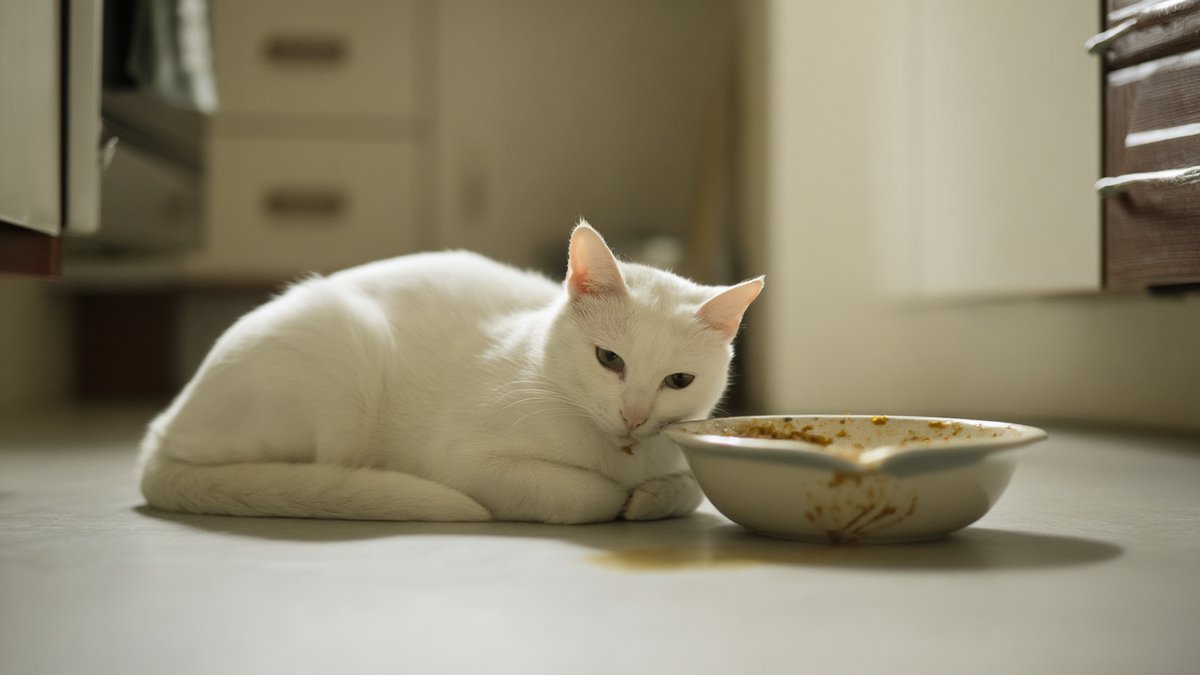
A picky cat skips a meal and the household shrugs. Cats are famously finicky; everyone has met the cat who boycotts a brand switch for a day. But underneath that reputation is one of the strangest and most dangerous facts in feline medicine: in cats, going without food is not a side effect of illness — it can cause organ failure all by itself.
The condition is hepatic lipidosis, almost always called fatty liver disease, and it is the reason veterinary medicine treats a cat that has not eaten for two to three days as an emergency rather than a phase. Understanding the mechanism explains why the clock matters so much, and why the advice "wait and see if she gets hungry" is the single most costly thing an owner can do.
Own a Veterinary Clinic?
Enjoyed this article? Our editorial team researches, writes, and publishes professional features just like this one about clinics across the US. Get your practice in front of thousands of cat owners searching for a vet in your city.
What Actually Happens: A liver buried in fat
A cat’s body is built to burn fat when food is scarce. But the cat liver has a processing bottleneck: it can mobilize fat faster than it can metabolize it. When a cat stops eating, the body pulls fat from storage to feed itself, the liver is flooded beyond its capacity, and fat accumulates inside liver cells until the organ swells and stops doing its job — filtering, producing proteins, processing bile. The cat is now sick from the starvation itself, on top of whatever started the food strike in the first place.
The cruel loop is that fatty liver makes cats feel nauseated, and nausea kills appetite, which deepens the fasting that caused the problem. Left alone, the loop compounds: a cat that stopped eating over a stressor or a mild illness ends up critically ill from the liver. The condition most often develops in overweight cats after two or three days of anorexia, but it can occur in lean cats too — body weight raises the odds, it does not gate them.
Why Cats Stop Eating in the First Place
Almost anything can start the fast — which is why the first lost meal rarely alarms anyone. Common triggers include dental pain, nausea from kidney disease, pancreatitis, constipation, a new pet or houseguest, a food bowl moved across the room, or an ordinary upper respiratory infection that plugs a nose and makes food smellless. Stress is underrated: cats fast over renovations, boarding stays, and new roommates. None of these starts as fatty liver, but any of them becomes fatty liver if the fasting is waited out.
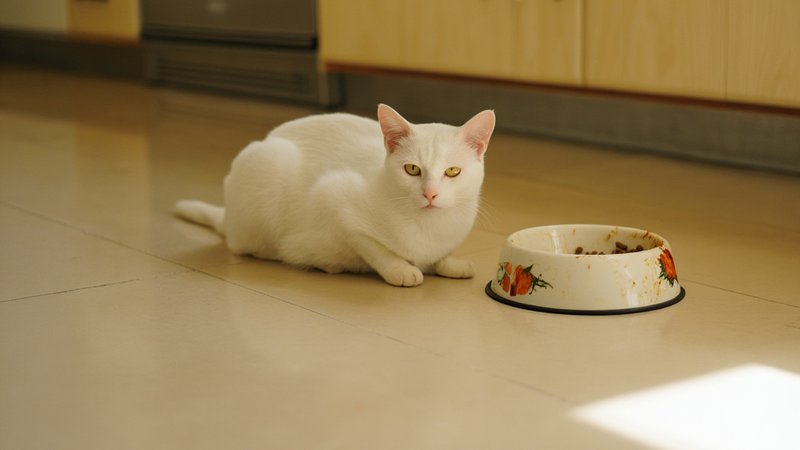
The signature to watch for is not one skipped meal — it is a trend. Jaundice is the late-stage telltale: yellow tint in the gums, the whites of the eyes, or the inner ear flap means the liver is already struggling badly. Before that, owners notice drooling, vomiting, lethargy that reads as profound rather than sleepy, and weight visibly sliding off. A cat hunched over the water bowl or refusing its favorite treat is telling you the finicky-cat story is not the real one.
What Treatment Looks Like
- Restore nutrition — that is the treatment. Everything else supports it. The goal is getting calories back in before the liver damage becomes irreversible, usually via appetite stimulation first and a feeding tube when the cat will not eat voluntarily.
- Feeding tubes sound dramatic but are routine and reversible: a soft tube through the nose or a small incision in the side lets owners deliver liquid food at home for weeks while the liver recovers. Most cats keep the tube for two to six weeks and then return to normal eating.
- Fluids, anti-nausea medication, and B-vitamin support run alongside, because dehydration and nausea both block recovery.
- Find and treat the trigger. The food strike had a cause — dental disease, kidney values, a stressor — and it must be addressed or the fasting resumes the moment the tube comes out.
- Recovery is genuinely good when treatment starts early. The liver is one of the few organs that regenerates; cats caught in the first days routinely return to completely normal liver function. Delay is what turns recoverable into fatal.
The Prevention Rule Every Owner Should Keep
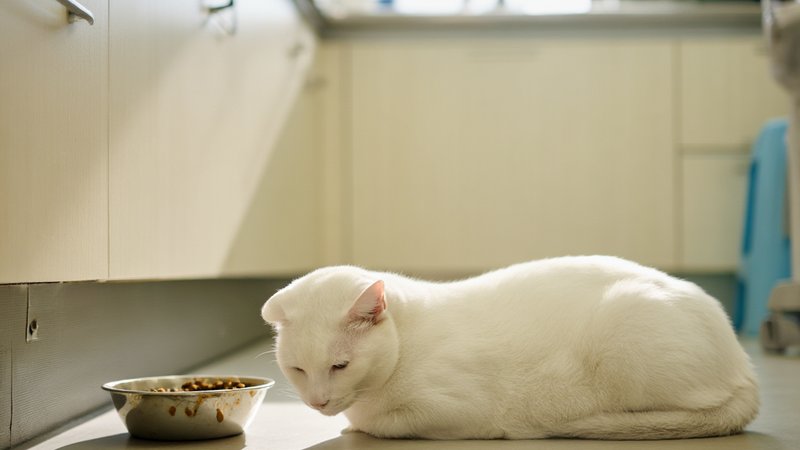
Count the skipped meals. One missed meal in a healthy adult is a note; two consecutive days with almost no intake is a phone call; three days is an emergency visit, full stop. Keep a mental (or literal) tally when a cat is off its food for any reason, and never assume hunger will win — in cats, it genuinely may not. The second prevention rule: gradual weight loss for overweight cats, never crash diets. Starvation diets to slim a fat cat are themselves a classic trigger for hepatic lipidosis; weight loss in cats must be slow and supervised.
What This Looks Like in Practice: Island Mobile Vet, Honolulu
A cat mid-food-strike is a cat that does not need the added stress of a carrier and a waiting room — which is where mobile practice changes the calculus. Island Mobile Vet, Inc. in Honolulu, Hawaii — rated 5.0 on Google by pet owners — is a full-service house-call practice that brings wellness exams, diagnostics, and treatment into the home, including support for pets that need careful monitoring and fluid therapy. Oahu owners can schedule an in-home visit at (808) 349-4220 or compare other practices in the cat vets in Honolulu, HI listing.
Island Mobile Vet, Inc.
Honolulu, HI
Phone: (808) 349-4220
⭐ 5.0
Questions Owners Ask About Fatty Liver
The food strike that starts this story is covered in detail in why is my cat not eating, and dehydration compounds fasting badly — cat not drinking water explains that side. Kidney disease is another classic appetite killer, covered in cat kidney disease signs.
This article is editorial content produced by the CatVetFinder team. Clinic details are drawn from public listings and may change — always confirm hours and services with the clinic directly.