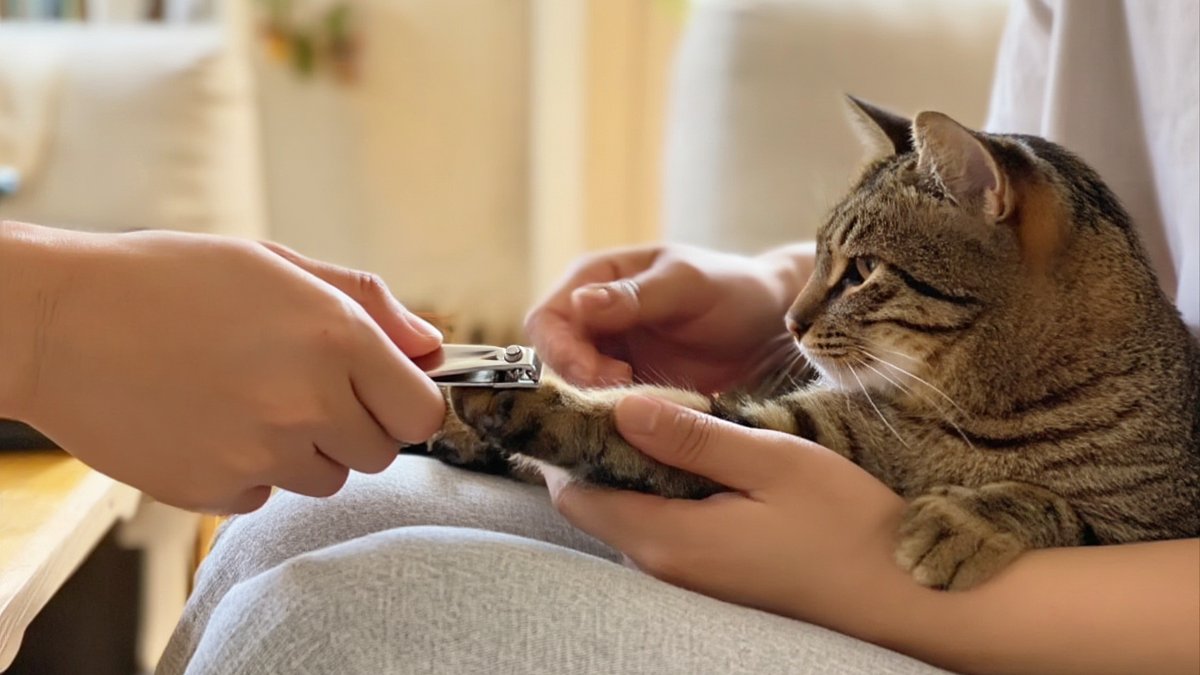
Nail trimming is where a lot of cat owners first discover that their sweet, purring companion has opinions. Somewhere between the squirming, the drama-meow, and the one claw that seems to bleed at the mere sight of clippers, many owners give up and book the groomer instead. It does not have to be that way. Trimming a cat’s nails is a genuinely learnable skill — and cats are learnable on their side of it too — but it runs on rhythm and preparation rather than restraint. This guide is a checklist-first walkthrough: what you need before you start, how the trim actually works, why cats fight it, and when handing the job to a professional is the smarter move.
The Pre-Trim Checklist
- Sharp, cat-sized clippers. Guillotine or scissor-style both work; dull clippers crush the nail instead of slicing it, which is what turns a routine trim into a painful memory for the cat. Human nail clippers work in a pinch for kittens.
- Styptic powder within reach. You should never plan to cut the quick, but you should always be prepared in case you graze it. Cornstarch works in a true emergency.
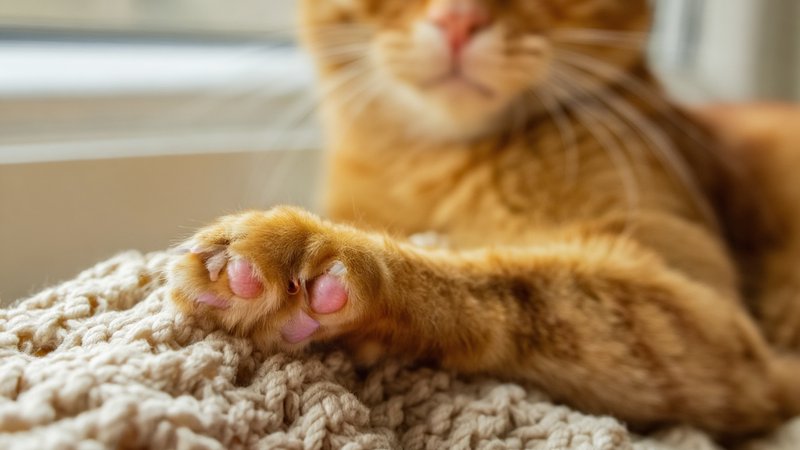
- Good light. The quick — the pink living core of the nail with nerves and blood vessels — is easy to see in clear or pale nails and nearly invisible in dark ones. Side lighting helps you spot the hollow point where the dead shell ends.
- A towel, not a restraint. A towel is for wrapping an upset cat after a bad moment — the burrito wrap — not the default. Starting with a cat wrapped up tight teaches it that trimming means capture.
- Treats that only happen at trim time. Reserve something genuinely high-value — squeeze-tube treats work on almost every cat — for nail sessions exclusively.
- A settled cat. Trim after a meal or a long play session, when the cat is drowsy rather than patrolling. Forcing a trim on a cat that is already wound up is how one bad session poisons the next ten.
The Trim Itself: One Paw at a Time
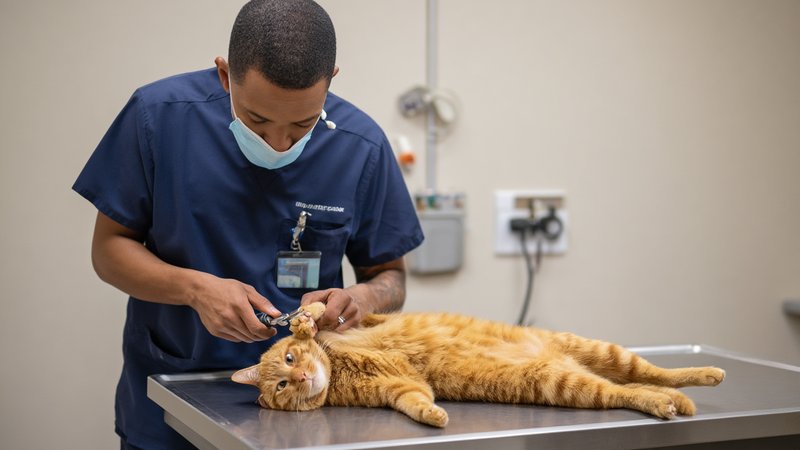
Hold the paw gently and press the pad with your thumb to extend the claw — cats’ nails retract, so nothing is visible until you ask for it. Look at the nail from the side: the curve near the tip ends in a sharp hook that is dead keratin, and behind it the pink quick runs toward the paw. You are taking the hook and a few millimeters more — never cutting into or near the pink. On dark nails where you cannot see the quick, take the smallest sliver of the very tip; cats need far less removed than owners assume, because the goal is blunting the hook, not shortening the toe. Cut straight across rather than at an angle, and mind the dewclaw on the front legs — it grows in a circle and is the nail most likely to curl into the pad on a cat that does not get regular trims.
How Often, and Why It Matters
Indoor cats generally need a trim every three to four weeks. Outdoor cats and cats on hard scratchers often wear their nails down on their own, which is worth checking rather than assuming — overgrown nails are a silent problem, because cats hide discomfort and a nail catching on the carpet rarely announces itself. The stakes are higher than furniture damage: an untrimmed nail can curl until it pierces the paw pad, catch in fabric and tear, or make a senior cat lose confidence on smooth floors. That last one matters more than most owners realize — cats with arthritis already grip less well, and long nails compound it, which is one more reason senior cats deserve extra attention here when is my cat a senior.
Own a Veterinary Clinic?
Enjoyed this article? Our editorial team researches, writes, and publishes professional features just like this one about clinics across the US. Get your practice in front of thousands of cat owners searching for a vet in your city.
When Your Cat Fights It — and What That Means
A cat that hisses, bolts, or bites at nail time is usually not spoiled; it has a history. The most common causes are a past quick cut (one bleeding session is remembered for years), pain when its paws are handled — which can point to arthritis, a nail injury, or a splinter — or simply never having been handled by the paws as a kitten. The repair plan is slow: handle the paws daily without clippers while doling out treats, clip a single nail on a good day, and rebuild from there. If the reaction is sudden in a cat that previously tolerated trims, stop pushing and have the paws examined — pain is the first suspect, and cats that suddenly turn aggressive about handling are often telling you something hurts why does my cat bite me.
What This Looks Like in Practice: East Springfield Veterinary Hospital, Springfield, MA
East Springfield Veterinary Hospital
525 Page Blvd, Springfield, MA, 01104
Phone: (413) 739-6389
⭐ 4.6 (652 reviews)
As a worked example: East Springfield Veterinary Hospital at 525 Page Blvd in Springfield, Massachusetts holds a 4.6-star average across more than 650 client reviews — a volume of feedback that usually means a practice handles the routine, unglamorous work like nail trims and anal-gland visits smoothly, not just the emergencies. Nail trims there are a quick, inexpensive service visit, and they double as a free partial exam: a technician trims while the doctor’s eyes pass over the cat. That is exactly the right visit for owners whose cats fight home trims, because the team can also show you the two-hand hold and paw-press technique on your own cat, which reads far better in person than in any guide. Call (413) 739-6389, and Springfield owners comparing practices can browse the local options first.
The Short Version for Skimmers
Every 3–4 weeks, only the hook of each nail, never the pink, in short sessions that end on a good note. Prepare clippers, light, and styptic before you start; trim a settled cat, not a wound-up one; and treat sudden resistance as a pain signal worth an exam, not a behavior problem. If your cat also resists the carrier ride to a trim visit, getting a cat into a carrier rebuilds that step first — and post-trim bleeding that does not stop with pressure after a few minutes is a call-the-clinic situation, not a wait-and-see one.
This article is editorial content produced by the CatVetFinder team. Clinic details are drawn from public listings and may change — always confirm hours and services with the clinic directly.