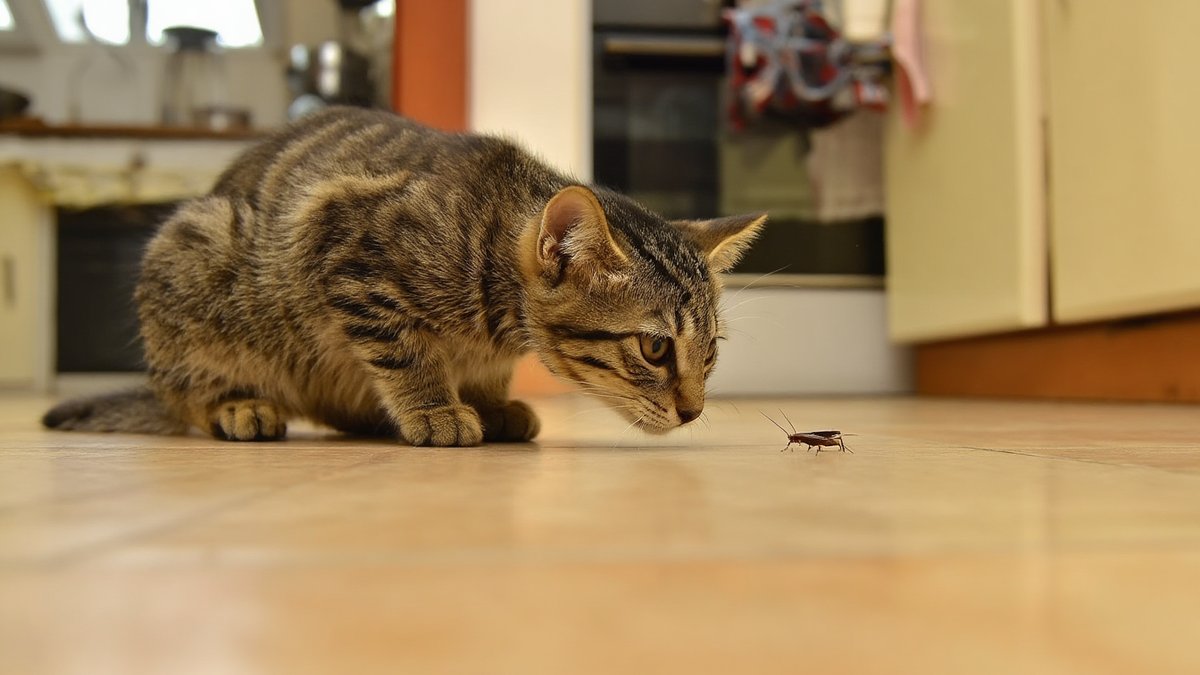
It happens in a second: a moth blunders past the lamp, a cricket hops across the tile, and your cat — hunter, athlete, professional — snaps it up before you can finish saying "don't." Then the real question arrives, usually from the person holding their phone halfway to the vet's number: is my cat going to be okay?
The honest answer is that most of the time, yes. Cats have been catching and eating insects for their entire evolutionary history, and a healthy cat's stomach acid is a formidable filter. But a small set of bugs and bug situations genuinely matter — stinging insects, bugs soaked in pesticide, and bugs that carry parasites — and knowing which is which is the difference between watching closely for an afternoon and making a same-day clinic visit. This guide walks through what actually happens after the swallow, then gives you a plan for the hours that follow.
The Scenario, Rated Honestly
Start with what was eaten, because the bug itself drives everything. The safe-or-not picture looks roughly like this:
- Household and garden bugs (moths, crickets, flies, ants, beetles, silverfish): essentially harmless. A cat that makes a meal of these is just expressing an opinion about pest control.
- Stinging insects (bees, wasps, hornets): the swallowing is rarely the problem — the sting in the mouth or throat is. Rapid facial swelling, pawing at the mouth, or noisy breathing makes this an urgent case.
- Stink bugs, blister beetles, and ladybugs: mildly irritating at worst and usually spat back out. Blister beetles are the exception worth knowing in regions where they show up in horse feed, because cantharidin is genuinely toxic.
- Venomous spiders and scorpions (where they live — West Texas knows brown recluses and scorpions well): risky not because of the swallowing but because an en route bite lands on the tongue or gums.
- Flies and roaches from sprayed or baited areas: the pesticide dose on a single insect is usually tiny, but a cat that repeatedly hunts the same poisoned corners is accumulating exposure.
- Snails, slugs, and anything from the litter-adjacent outdoors: intermediate hosts for lungworm and other parasites — small risk per snack, real risk as a habit.
The Plan for the Next Few Hours
After the swallow, your job is observation, not intervention. Skip induced vomiting — nothing you have in the kitchen makes a cat vomit safely, and forcing the issue causes more harm than the bug. Instead:
- Confirm what kind of bug it was, if you can, and whether anything was applied to that area of the house or yard recently (sprays, granules, baits).
- Check the mouth if your cat tolerates it: look for a swollen tongue, sting debris, or punctures on the gums and under the tongue.
- Watch for two hours minimum: drooling, pawing at the face, retching that produces nothing, hunching, hiding, wobbliness, or unusual quiet from a normally talkative cat.
- Offer water and keep food normal unless symptoms appear — a mild upset usually clears on its own within a day.
- Call your vet for any sting near the face, any pesticide-related suspicion, or any symptom that appears and persists more than a few minutes rather than fading.
When a Snack Becomes a Same-Day Problem
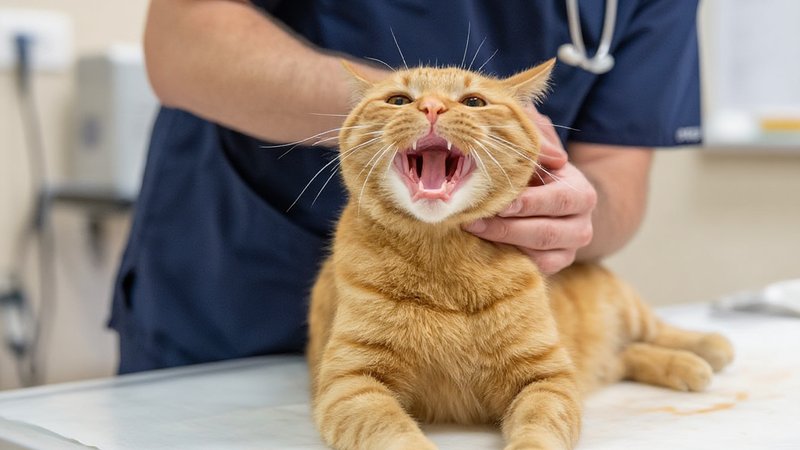
The signs that upgrade "watchful waiting" to "in the car now" are straightforward. Mouth or facial swelling, especially if it develops within minutes of the snack, points to a sting and can progress toward the airway. Repeated retching with nothing produced, a rigid painful belly, or a cat that suddenly cannot get comfortable points beyond simple indigestion. Wobbly movement, dilated pupils, or tremors after any possible pesticide exposure deserve an immediate call. And any swelling that keeps growing instead of stabilizing is not something to sleep on.
This is where a real clinic with real triage matters. In Odessa, Texas, Nikki Williams DVM on East 8th Street holds a 4.9 rating from client reviews — the kind of established neighborhood practice where a "she ate something in the garage and now her face is swelling" call gets a same-day slot instead of a shrug. For routine questions and wellness visits, the cat vets in Odessa, TX listing covers the broader set of practices in the Permian Basin.
Nikki Williams DVM
2210 E 8th St, Odessa, TX, 79761
Phone: (432) 332-5782
⭐ 4.9
The Bug That Keeps Coming Back: Parasites
One eaten fly is an anecdote; a cat with a standing insect habit is a parasite risk profile. Roaches and beetles can carry roundworm ova from contaminated environments, snails and slugs pass lungworm in some regions, and fleas — the classic accidental snack — are the intermediate host for tapeworm. A hunting cat that eats its prey, insect or rodent, belongs on a consistent, veterinarian-approved parasite prevention schedule rather than an occasional deworming after the fact. If your cat is a regular bug-chaser, mention it at the next wellness visit; it changes which prevention plan makes sense.
Making the Hobby Safer
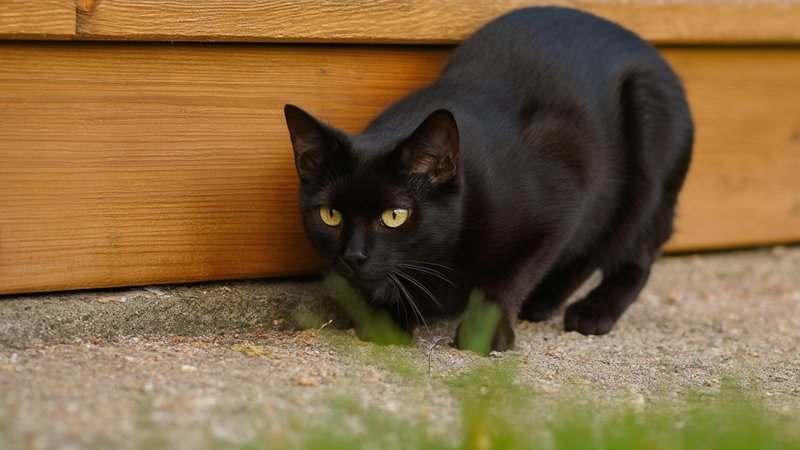
You will not talk a cat out of hunting, and you should not want to — it is a normal, enriching behavior. You can shrink the risk around it, though. Store all pesticides, baits, and traps behind closed doors rather than in open garages. Skip outdoor bug zappers and sprays in the areas your cat patrols, or apply them strictly per the label's pet conditions. Sweep up dead insects promptly after indoor pest control. And if your cat's hunting includes the garden, know your plants — plants toxic to cats covers the common ones worth pulling or fencing. Since a swallowed bug occasionally comes back up with company, cat vomiting: when to worry helps you separate a routine purge from a problem.
Own a Veterinary Clinic?
Enjoyed this article? Our editorial team researches, writes, and publishes professional features just like this one about clinics across the US. Get your practice in front of thousands of cat owners searching for a vet in your city.
The bottom line: a swallowed bug is almost always a non-event, but the catch itself carries the real risk. Know the sting signs, keep the pesticide chain out of your cat's reach, and keep prevention current for the hunter who snacks. Related reading: essential oils and cats covers another household hazard that hides in plain sight, and foods cats can't eat rounds out the kitchen-and-home picture.
This article is editorial content produced by the CatVetFinder team. Clinic details are drawn from public listings and may change — always confirm hours and services with the clinic directly.