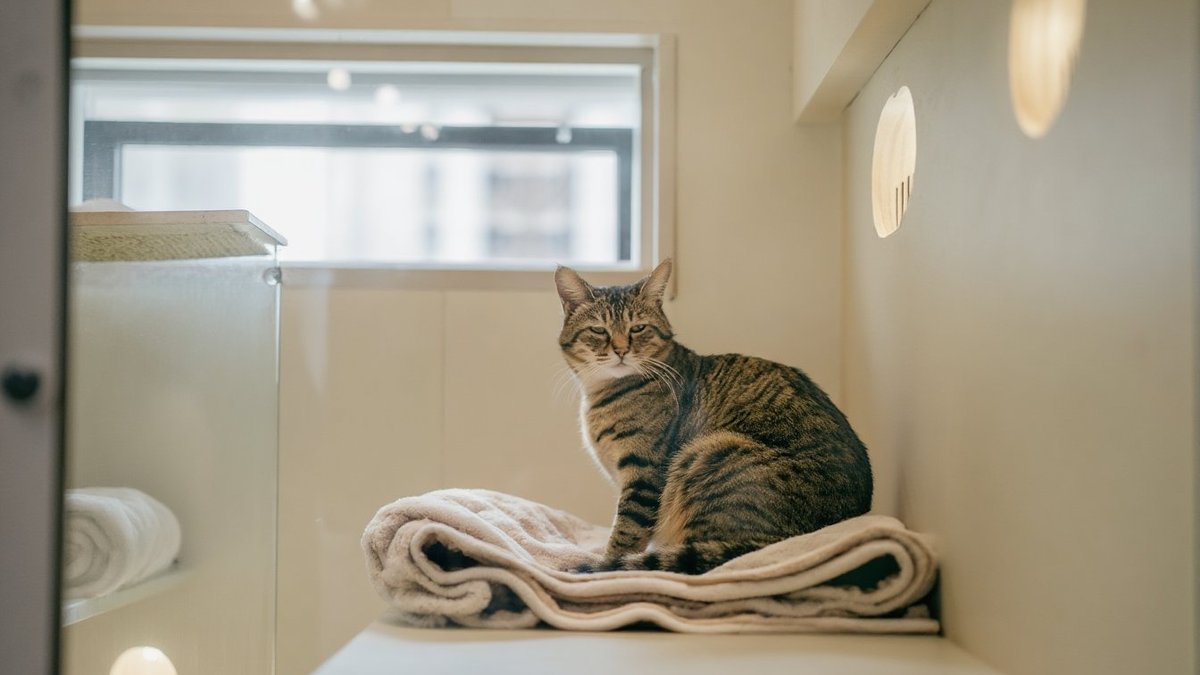
Boarding a cat is different from boarding a dog, and most booking mistakes come from not treating it that way. Dogs often treat a boarding kennel like summer camp; a cat experiences it as being removed from the single most important thing in her world — her territory — and installed in a small, strange-smelling room full of unfamiliar sounds. That is not a reason to avoid boarding, but it is a reason to choose the facility the way you would choose a sitter for a toddler: on how the environment is run, not on the lobby tour. The questions below are the ones that separate a well-run cattery from a converted dog kennel with cat condos bolted on as an afterthought.
The Questions Worth Asking Before You Book
Red Flags to Walk Away From
- No vaccination verification. Everything else about a facility can be lovely and this one detail still disqualifies it, because it governs what your cat is exposed to.
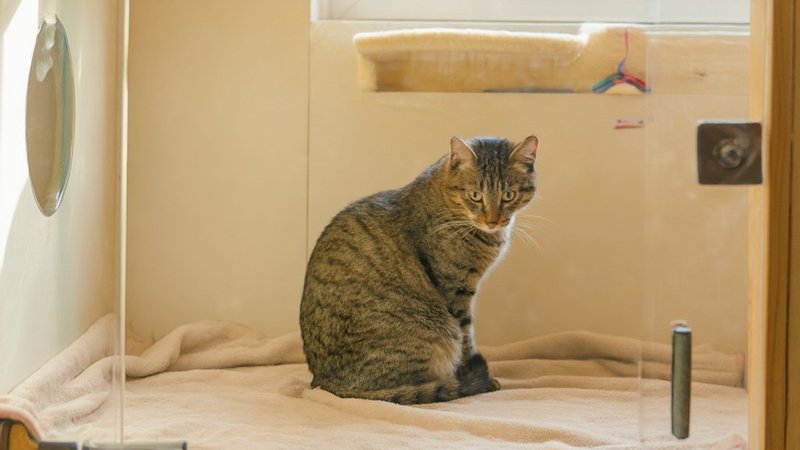
- Cats stacked above or beside dog runs, or a "cat room" you were not allowed to see.
- Vague answers about feeding and litter. If the person booking cannot tell you how often boxes are scooped, assume the answer is rarely.
- No mention of what happens to a cat who stops eating. Fasting is genuinely dangerous for cats — a couple of days of anorexia can start hepatic lipidosis — so this is a medical question, not a nicety.
- Shared communal cat rooms. Social media makes group cat lounges look idyllic; for a strange cat dropped into them, they are a stress and disease exchange, and most reputable catteries do not offer them for new boarders.
Preparing Your Cat for the Stay
Own a Veterinary Clinic?
Enjoyed this article? Our editorial team researches, writes, and publishes professional features just like this one about clinics across the US. Get your practice in front of thousands of cat owners searching for a vet in your city.
- Set the vaccination records straight first. Book a quick checkup if anything is lapsed — this doubles as a chance to mention the boarding plan and get anxiety-prone cats looked at before travel.
- Do a short practice run with the carrier in the weeks before, if your cat is one of the cats who vanishes at the sight of it. Feed near it, leave it out, make it furniture rather than an event.
- Keep drop-off calm and boring. No long emotional goodbyes — carriers in, paperwork signed, out the door. Cats read the ceremony, not the sentiment.
- Write down her routines: food amount and schedule, any medications with a plain-language instruction, quirks the staff should know (hides under the blanket, hates having the condo door opened fast).
- Leave a reachable contact and a backup contact, and say explicitly that the facility may call with questions. Owners who say "only call if it is serious" get fewer calls, not fewer problems.
What This Looks Like in Practice: Carey Animal Hospital, Cincinnati, OH
Carey Animal Hospital
4792 Ridge Ave, Cincinnati, OH, 45209
Phone: (513) 531-7117
⭐ 5.0 (93 reviews)
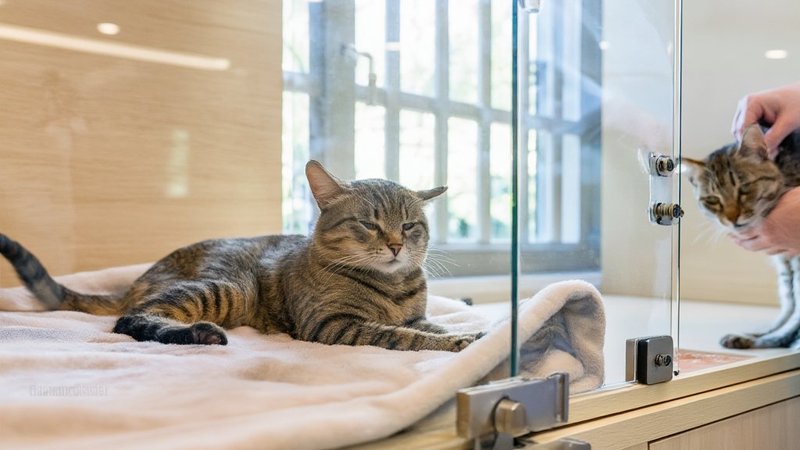
As a worked example: Carey Animal Hospital on Ridge Ave in Cincinnati, Ohio holds a 5.0-star rating across 93 local reviews, and a veterinary hospital with boarding answers the sick-cat question differently than a standalone cattery can — the staff monitoring your cat's appetite are the same people who could examine her the same morning if she stops eating, and vaccination records live one conversation away. Cincinnati owners can call the clinic at (513) 531-7117, and the cat vets in Cincinnati listing is the place to compare every local practice with boarding, including hospitals and dedicated catteries.
When Boarding Is the Wrong Choice
Some cats should not board at all. Recent surgery, an unstable chronic condition, a cat in kidney or thyroid failure who needs precise daily medication, or a genuinely feral-leaning cat who experiences handling as predation — for these, an in-home sitter who visits once or twice a day is the kinder option, because the territory stays intact and only the humans rotate. The stress of boarding is not trivial for a minority of cats; knowing which category yours falls into is part of the pre-booking homework. A practical middle path for trip-or-anxious cats: trial board for one night a few weeks before the real trip, so the facility and your cat have already met when it counts.
If You Only Read One Section
Ask for vaccination proof, ask whether cats are housed away from dogs, tour the actual cat room, and get the sick-cat protocol in specific terms. Bring her own food and a worn shirt from home, keep drop-off brief, and choose a facility where someone would notice a cat who stopped eating and know what to do about it. If your cat is old, sick, or fragile, keep her at home with a sitter instead — the best boarding decision is sometimes the one you decide not to make.
This article is editorial content produced by the CatVetFinder team. Clinic details are drawn from public listings and may change — always confirm hours and services with the clinic directly.