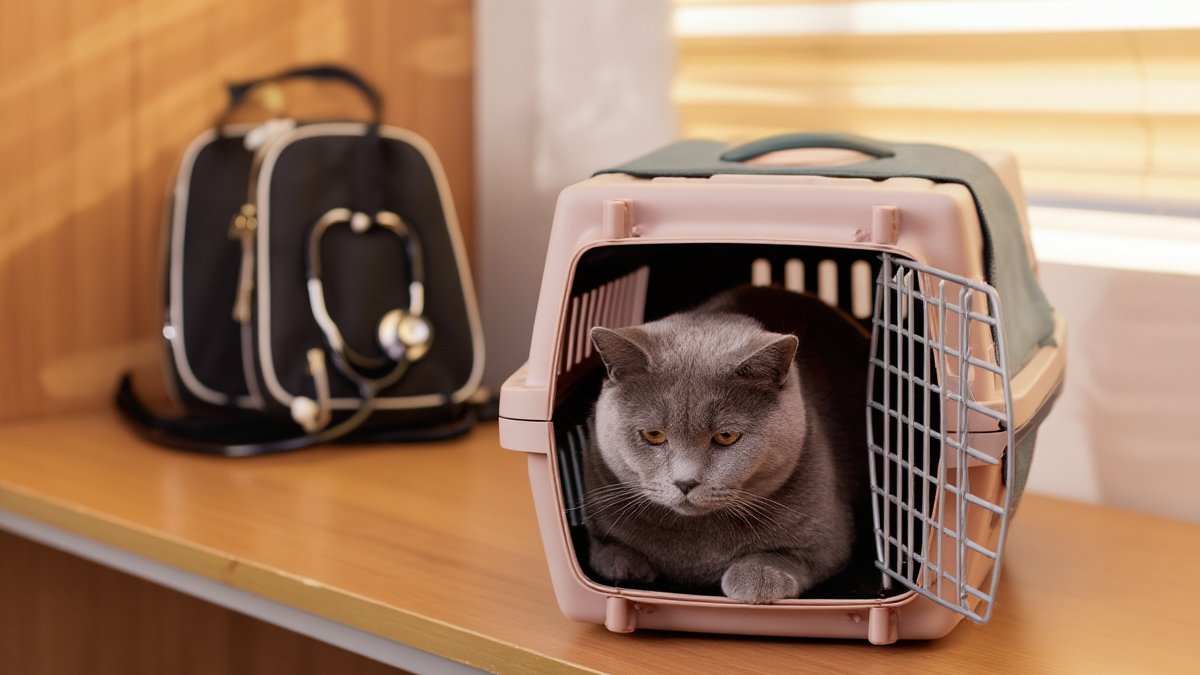
Cats are the patients most likely to skip care entirely. Owner surveys on veterinary visit patterns keep finding the same gap: dogs see a vet far more often than cats, even in households that own both and love both. The reasons are familiar — cats hate the carrier, indoor cats "seem healthy," and trips are logistically harder than walking a dog around the block. None of those reasons change the medical reality.
The reality is that cats age about four to seven human years for every calendar year, hide illness by instinct until it is advanced, and benefit enormously from a baseline of regular exams. This guide lays out the visit schedule by life stage — what happens at each visit, why the frequency changes with age, and the symptoms that always shorten the interval.
Kittens: The Busiest Stretch, Not Compared to Anything Later
A kitten’s first year carries three to four vet visits — usually at eight, twelve, and sixteen weeks, then a spay or neuter appointment and a final check before the one-year mark. Each early visit bundles a physical exam, the core vaccine series (panleukopenia, rhinotracheitis, calicivirus, and rabies timed per local law), a fecal test for parasites, and deworming. The sixteen-week visit typically confirms the vaccine series is complete and opens a conversation about spay or neuter timing, microchipping, and adult food transitions.
These appointments matter for more than shots. Early exams catch congenital issues — heart murmurs, hernias, retained baby teeth — while they are easiest to address, and they socialize a kitten to clinic handling in exactly the window that shapes adult behavior. A kitten that visits calmly becomes a cat that visits calmly, which makes every future visit cheaper on both ends of the exam table.
Adult Cats: Once a Year, Every Year, Even Indoors
Own a Veterinary Clinic?
Enjoyed this article? Our editorial team researches, writes, and publishes professional features just like this one about clinics across the US. Get your practice in front of thousands of cat owners searching for a vet in your city.
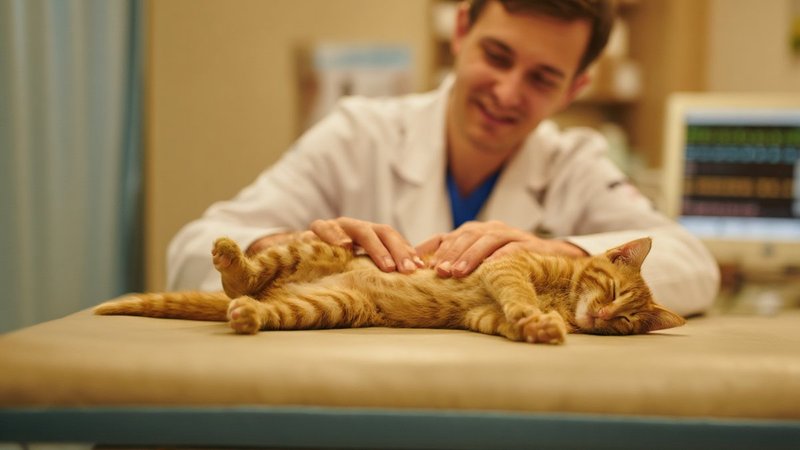
The answer for healthy adults between one and about ten years old is one comprehensive exam per year. The yearly visit is not a formality — a full physical can catch dental disease before teeth are lost, hear a new heart murmur before symptoms start, weigh a cat against its own history, and track the slow changes (weight creep, coat quality, kidney values on baseline bloodwork) that never announce themselves at home.
The "indoor cat" exception owners reach for does not hold up, for reasons worth spelling out. Indoor cats still get dental disease, obesity, diabetes, and arthritis. Parasites reach them via doors, shoes, and other pets. And because cats hide illness so effectively, a cat can progress from "seems fine" to serious disease inside the exact gap a skipped year creates. One exam a year is the minimum floor, not a generous offer.
Senior Cats: Twice a Year After the Ten-Year Mark
Around age ten, the recommendation shifts to exams every six months, usually paired with annual bloodwork and a urinalysis. The math behind it: cats age roughly four human years per calendar year at this stage, so six months between exams is the human equivalent of a two-year checkup gap. At the same time, the diseases most common in older cats — chronic kidney disease, hyperthyroidism, diabetes, hypertension, arthritis — respond far better when caught early, and several show no symptoms owners would notice until they are well advanced.
Twice-yearly senior exams are also where lifestyle conversations change: diet adjustments for kidney support, pain management for arthritis that owners often misread as "just slowing down," and quality-of-life planning. The senior cat feeding guide covers the diet half of that equation.
A quick summary of the schedule:
- Kittens (8–16 weeks): a visit every 3–4 weeks for exams, vaccines, fecal testing, and deworming.
- Adults (1–10 years): one comprehensive exam annually, with vaccines boostered per schedule and dental checks built into each visit.
- Seniors (10+ years): exams every six months, plus bloodwork and urinalysis at least annually, more often if a chronic condition is managed.
- Any age, any time: symptoms always override the calendar — more on those below.
Between-Visit Signs That Reset the Clock
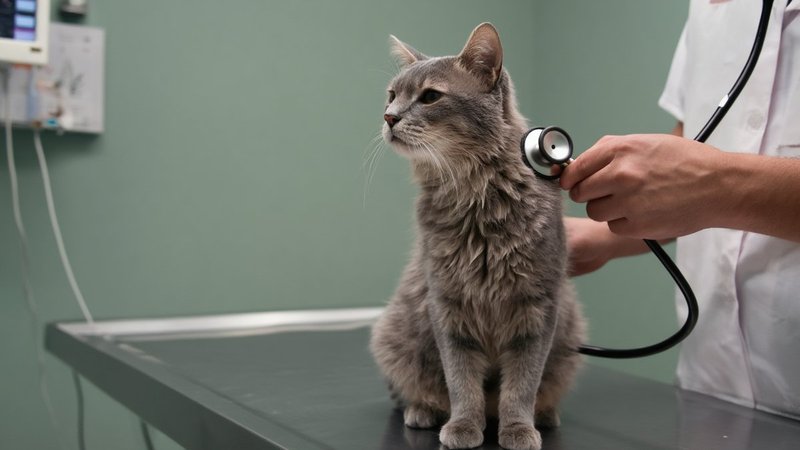
The schedule covers wellness; symptoms make their own appointments. Straining in or out of the litter box, blood in urine, or repeated unproductive litter visits is an emergency at any hour — urinary blockage in male cats can turn fatal within a day. Likewise short-fuse symptoms include not eating for more than a day, rapid breathing or open-mouth breathing, sudden lethargy, vomiting that recurs, seizures, and a crying cat that cannot get comfortable. The cat breathing fast when to worry and cat lethargy signs guides cover two of the most time-sensitive ones in detail.
A Worked Example: Building the Habit in Urbana, Illinois
The clinic you choose shapes how easy the schedule is to keep, so it is worth picking for logistics as much as medicine. Around Urbana, Dr. Mary Welle on North Linview Avenue is a practice holding a 5.0 rating across its reviews on file — a conveniently local option for east-central Illinois cat owners building an annual routine, where the front desk knows your cat’s name and the reminder call is part of the relationship. Owners anywhere else can find local options through the cat vets in Urbana, IL listing or the national CatVetFinder directory.
Dr. Mary Welle
2001 N Linview Ave, Urbana, IL, 61801
Phone: (217) 328-4143
⭐ 5.0
Making the Trip Itself Easier
Most skipped visits trace back to the carrier, so fix the carrier once and the whole schedule gets easier. Leave it out permanently as furniture with a soft bed inside; feed treats in it; take short drives that end at nothing scary. Cover the carrier with a light blanket for the car, spray a feline pheromone product twenty minutes before loading, and book morning appointments so wait-room time stays short. The traveling with a cat by car guide has the full transport playbook. And because many cats arrive anxious, mentioning it at booking lets a practice set up a quiet room or fast-track the exam.
Questions About Vet Visit Frequency
This article is editorial content produced by the CatVetFinder team. Clinic details are drawn from public listings and may change — always confirm hours and services with the clinic directly.