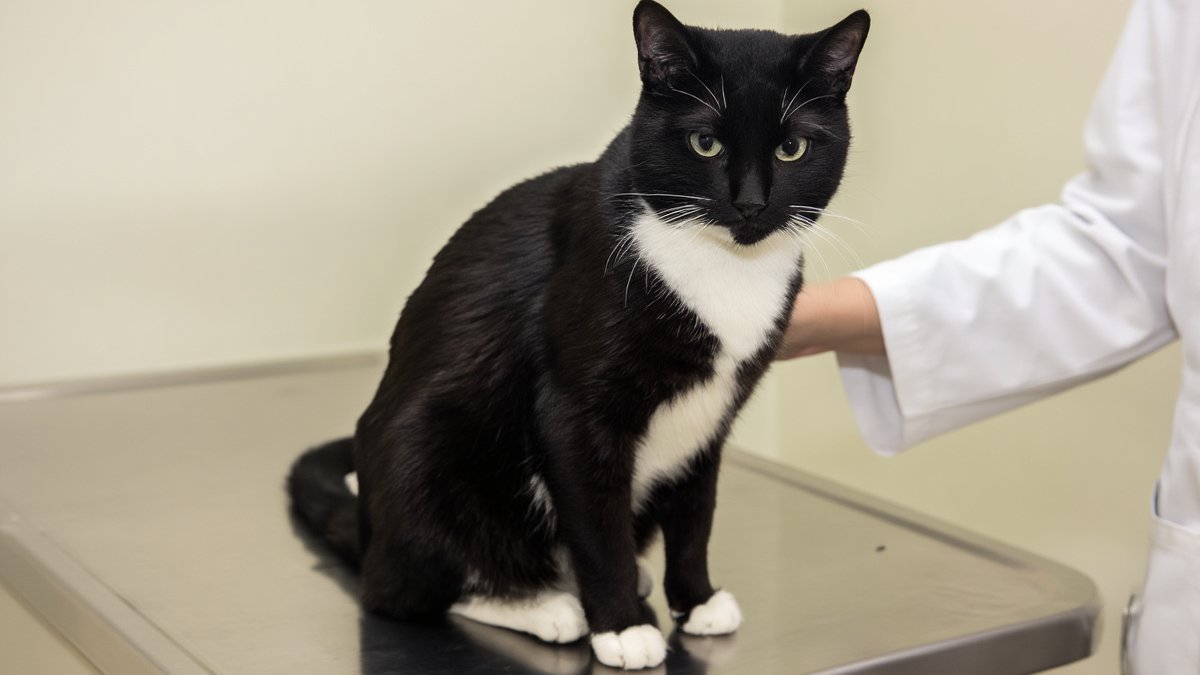
Rabies is the one vaccine nearly every state treats differently from the rest of the feline schedule — not because the medicine is special, but because the disease is. It is essentially always fatal once symptoms start, it transmits to people, and it is carried by the skunks, raccoons, and bats that wander through suburban backyards as easily as rural fields. So when a practice asks about your cat's rabies status at every annual visit, that is not upselling; it is public-health paperwork plus genuine protection. Yet the same handful of questions come up at every clinic front desk: When does a kitten get the first shot? Is a booster really due every year, or every three? And the big one — my cat never leaves the house, so why bother? This guide answers all of them in order, and finishes with what the visit itself looks like at a real practice.
Why Rabies Gets Special Treatment
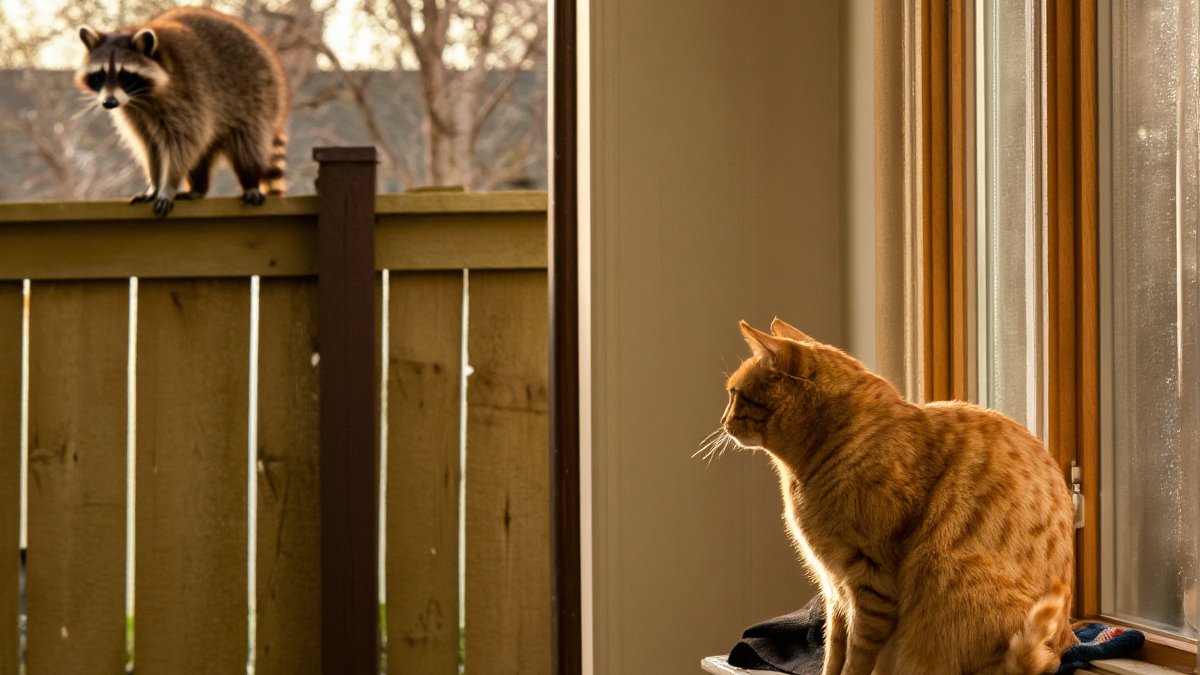
Every vaccine on the feline schedule prevents something unpleasant; rabies is the only one that prevents something untreatable and transmissible to humans. Once a rabid animal shows neurological signs, no therapy changes the outcome, which is why the entire medical and legal framework around rabies is built on prevention instead. The virus spreads through saliva — usually a bite from an infected animal — and the wildlife reservoir in the United States is real and persistent: bats are the leading source of rabies exposures in people nationally, and skunks, raccoons, and foxes account for most animal cases. Cats are actually the most commonly reported rabid domestic animal in the United States, in large part because more cats than dogs roam outdoors unsupervised.
That is the context behind the questions below. Rabies vaccination is not just protecting your cat — it is the barrier that stops a bite incident from turning into a public-health investigation and, in the worst unvaccinated case, a prolonged quarantine decision you never want to be part of.
The Kitten-to-Adult Rabies Timeline
Rabies fits into the wider kitten schedule as a single milestone rather than a series. The typical pattern looks like this:
| Life stage | What happens | Why then |
|---|---|---|
| 8–11 weeks | FVRCP series begins (no rabies yet) | Too young for a dependable rabies response |
| 12–16 weeks | First rabies vaccine, once | Immune system can now respond reliably; many states mandate it by this age |
| 1 year later | First booster (often even with a 3-year product) | Confirms a durable response after the kitten dose |
| Adult years | Booster every 1 or 3 years per product + state law | Maintains legal protection and immunity |
If you adopted an adult cat with no vaccine history, the standard approach is to treat her as unvaccinated and start the series — there is no harm in re-vaccinating, and there is no reliable antibody shortcut that satisfies legal requirements in most places. The week-by-week kitten timeline, including how rabies slots in around the FVRCP boosters, is laid out in kitten vaccination timeline.
Own a Veterinary Clinic?
Enjoyed this article? Our editorial team researches, writes, and publishes professional features just like this one about clinics across the US. Get your practice in front of thousands of cat owners searching for a vet in your city.
One-Year vs Three-Year Vaccines: What Actually Changes
Walk into any practice and you may be offered either product. The difference is regulatory labeling, not a different virus strain: both are killed or canarypox-vector vaccines, and both produce immunity, but only some products have completed the duration-of-immunity studies that let the manufacturer label them for three years. What matters for you:
- A cat who received a one-year product is legally "overdue" the moment 12 months pass — even though immunity likely persists longer, the paperwork does not.
- A cat on a three-year product stays compliant for three years from the vaccination date, assuming local law accepts three-year labeling (nearly all do).
- The first booster after the kitten dose is frequently given at the one-year mark regardless of product, then the interval stretches.
- If your cat is overdue, do not panic — a lapsed rabies vaccine is handled with a booster, not a restart. But the rules that apply after an exposure incident are much harsher for overdue cats, so it is worth staying current.
The Indoor-Cat Question, Taken Seriously
The most common pushback at clinics is a version of "she has never been outside." It deserves a real answer, not a shrug. Bats — the number one rabies vector for human exposure in the U.S. — are found inside homes every summer, including upstairs bedrooms of well-sealed houses. Animal-control records routinely include indoor cats that caught a bat in the living room. And door-dashing is not a hypothetical: it is the most common way an indoor cat meets wildlife, even briefly. Finally, the legal layer does not distinguish between indoor and outdoor cats in most jurisdictions, and the practical consequences of an exposure in an unvaccinated animal are severe. An unvaccinated cat with a suspected rabies exposure faces either a long strict quarantine or euthanasia under many state protocols; a currently vaccinated cat gets a booster and a short observation period at home.
Vaccinating the indoor cat is cheap insurance against a scenario that is unlikely per year but catastrophic per incident — and it is the law in most of the country. The broader question of which shots an indoor-only cat needs beyond rabies is covered in our cat vaccination schedule guide.
What This Looks Like in Practice: Animal Care Veterinary Center, Conway, AR
Animal Care Veterinary Center
2215 Washington Ave, Conway, AR, 72032
Phone: (501) 550-8461
⭐ 4.8 (485 reviews)
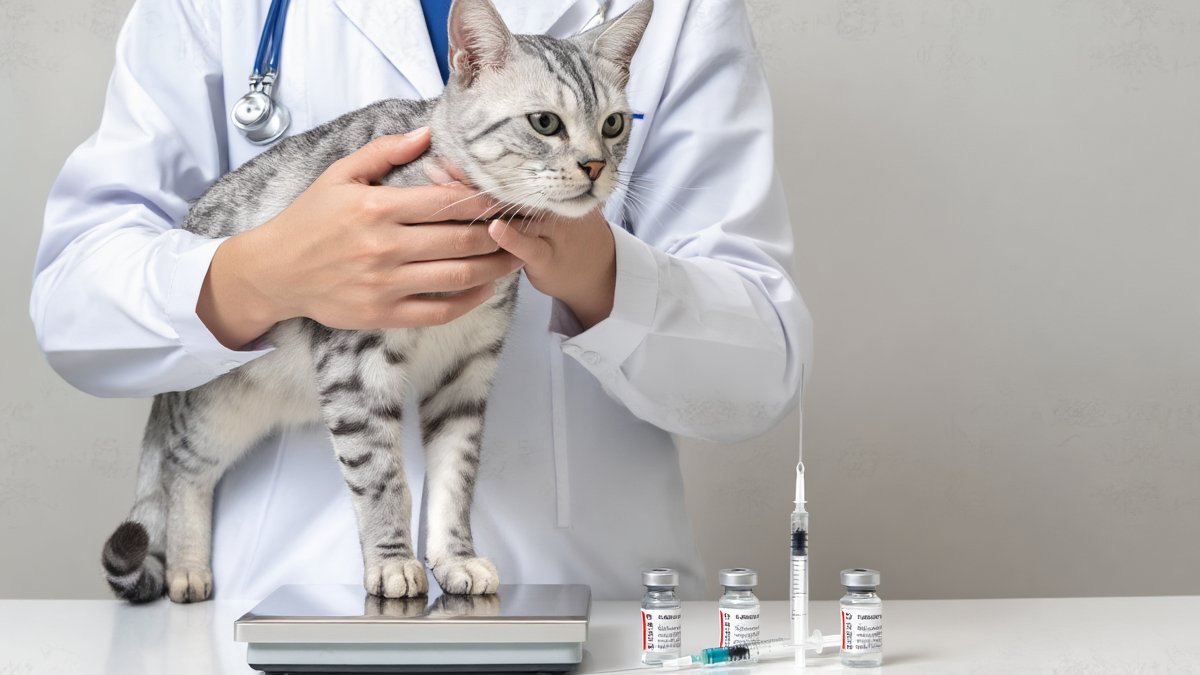
As a worked example: Animal Care Veterinary Center at 2215 Washington Ave in Conway, Arkansas holds a 4.8-star rating across 485 local reviews — the kind of established practice where a rabies booster slots into a five-minute wellness visit rather than being a standalone appointment. The routine looks the same almost everywhere: the record is checked first (which product, which year), the shot goes into a hind leg, and the visit wraps with the next-due date written on the reminder card before you leave. If your cat has a history of vaccine reactions, mention it at check-in — the team will time an observation period. You can reach the clinic at (501) 550-8461, and Conway owners weighing their options can browse all 15 local practices on the cat vets in Conway listing.
After the Shot: The Next 48 Hours
Rabies vaccines use the same mild-reaction profile as the rest of the feline schedule: some sleepiness, maybe injection-site tenderness, an occasionally skipped meal. Watch the injection site for a small firm lump — most fade within weeks, and a lump that persists past three weeks or keeps growing belongs in a phone call. Facial swelling, hives, vomiting, or breathing trouble in the first hours is an allergic emergency; head straight back to the clinic. For the full timeline of what is normal and what is not, see cat vaccine side effects.
More Cat Health Guides
- Kitten vaccination timeline, week by week
- Cat vaccine side effects: normal vs when to call
- What cat vaccines cost, line by line
- FIV and FeLV: the other feline viruses worth testing for
- How often cats need vet checkups by age
- Animal Care Veterinary Center — Conway, AR
- Cat vets in Conway, AR
- Explore cat care services
This article is editorial content produced by the CatVetFinder team. Clinic details are drawn from public listings and may change — always confirm hours and services with the clinic directly.