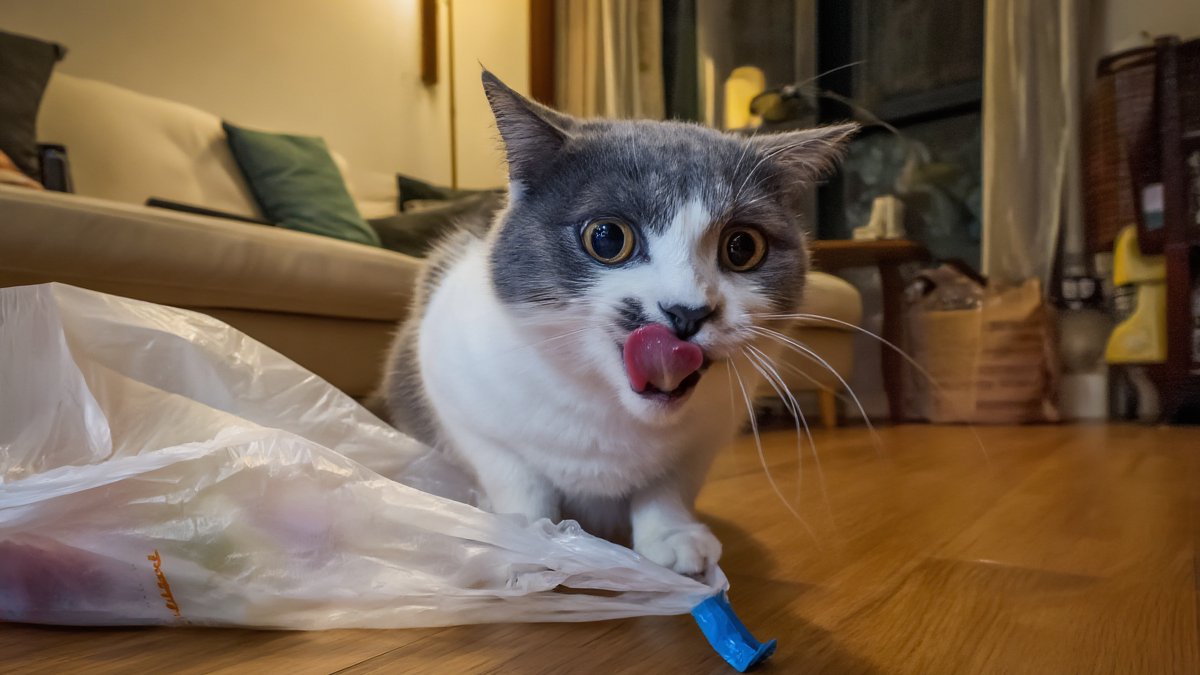
The scene is so common it is almost a genre: an owner walks into the kitchen and finds their cat halfway through a grocery bag, licking it with unmistakable commitment. Or it is the corner of a wool blanket, a shoelace, the rubber strap of a laptop bag. The behavior has a name — pica, the persistent eating of non-food items — and it sits in an awkward category: sometimes it is a harmless quirk with an understandable explanation, sometimes it is the first visible symptom of a medical problem that has been brewing quietly. The plastic bag, oddly enough, is usually the mildest version. The job is to figure out which category your cat is in, and the answer lives in a handful of specific questions.
Owner Questions First: The Six Answers That Sort Most Cases
Before any test is run, a vet (or a well-prepared owner) can narrow the cause list with these six answers. Bring them to the appointment in this order.
- What is the cat chewing, exactly? Plastic and fleece point toward texture-seeking or early-weaning roots; fabric and wool lean the same way; litter, soil, or walls point at anemia or mineral deficiency; and only-one-item obsession can be compulsive.
- How old is the cat, and when did it start? Kittens under two chewing everything is often developmental. An adult cat that suddenly starts eating non-foods at age nine is a different story entirely — sudden onset in a mature cat always earns bloodwork.
- Was the cat weaned early? Kittens separated from their mother before about eight weeks show higher rates of suckling and chewing on soft and crinkly materials well into adulthood.
- Is the chewing obsessive or occasional? A cat that seeks the bag once a week is different from a cat that hunts plastic the way it hunts mice — intensity is diagnostic information.
- Does the cat actually swallow? Licking and chewing that ends in spit-out shreds is mostly a behavior question. Swallowed plastic is a blockage risk and moves the whole problem into urgent territory.
- What else changed recently? New diet, new pet, a move, boredom windows in an under-stimulated home — environmental stress and under-enrichment are the two most fixable drivers of pica.
Own a Veterinary Clinic?
Enjoyed this article? Our editorial team researches, writes, and publishes professional features just like this one about clinics across the US. Get your practice in front of thousands of cat owners searching for a vet in your city.
The Medical Causes Worth Ruling Out
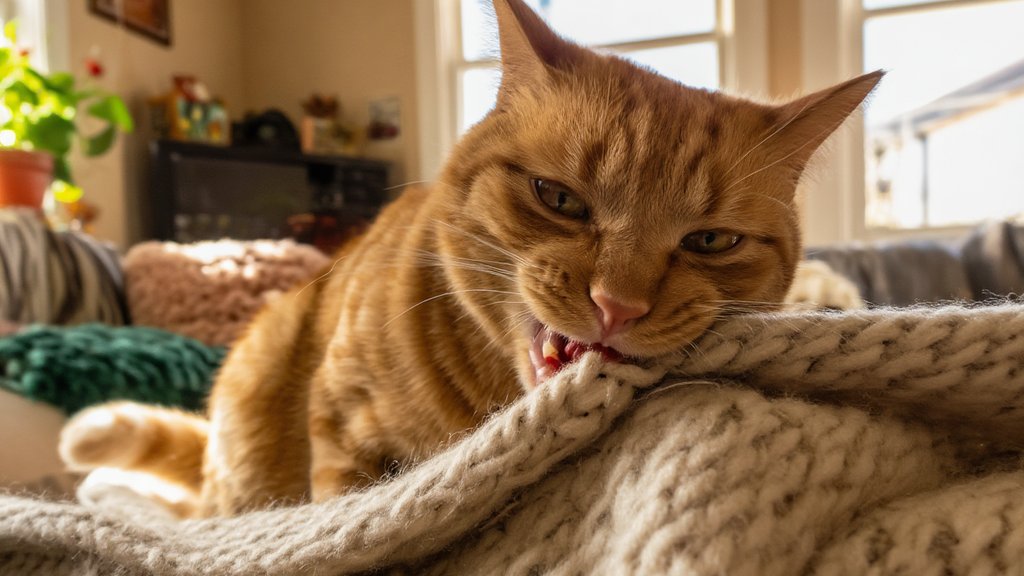
Pica is not a diagnosis; it is a symptom with a differential list. Anemia is the classic hidden one — iron-deficient cats famously seek out unusual textures and substances, and a cat that has started chewing litter or soil is a cat that needs a complete blood count, not just a behavior plan. Dental pain sends some cats to chewing as self-soothing when drooling rides along; a resorbing tooth can turn a mild-mannered cat into an eager chewer. Gastrointestinal disease, hyperthyroidism in seniors, and — in a small but real subset — genuine compulsive disorder fill out the medical list. This is why a sudden new pica habit in an adult cat gets bloodwork and an oral exam before anyone prescribes "more toys." The tests are routine; the red blood cell count and the chemistry panel answer most of the medical questions in one draw.
The Behavior Side: What Actually Reduces the Habit
When the medical workup comes back clean, management is environmental, and it works better than most owners expect. The core moves are consistent across behaviorists. First, remove the target: plastic bags do not get stored where the cat roams, blankets get swapped for textures that do not trigger the urge, and "keep it out of reach" does the work that scolding never will — cats learn nothing from punishment for a behavior that feels good in the moment. Second, replace the reward: food puzzle toys, scheduled play sessions that end with a meal (hunting-then-eating is the natural sequence), and safe chew alternatives like dried fish treats or specific cat-safe chew toys give the mouth something legitimate to do. Third, cover the cravings that mimic pica: for wool-sucklers, a dedicated textured item the cat is allowed to suckle often redirects the whole pattern. Fourth, audit enrichment honestly — a cat alone eight hours a day with no window perch, no puzzle feeder, and one ignored toy is a cat manufacturing its own entertainment, and the grocery bag is winning that contest.
What This Looks Like in Practice: All Creatures Great & Small Veterinary Hospital, San Antonio, TX
All Creatures Great & Small Veterinary Hospital
11015 Belair Dr, San Antonio, TX, 78213
Phone: (210) 349-3969
⭐ 4.6 (177 reviews)
A behavior question with a medical differential suits a full-service general practice. All Creatures Great & Small Veterinary Hospital, located at 11015 Belair Dr in San Antonio, Texas, treats all companion animals — exotics included — and holds a 4.6-star rating from 177 client reviews, the kind of steady score that comes from handling the odd, non-textbook cases as calmly as the routine ones. Its team can run the anemia screen and dental exam that separate a medical pica from a behavioral one, then help build the management plan either way. Call (210) 349-3969, and owners in surrounding neighborhoods can browse the full cat vets in San Antonio, TX listing to compare practices across the metro area.
The Short Version for Skimmers
Cats chew plastic for reasons ranging from early weaning habits and texture-seeking to anemia, dental pain, and plain under-stimulation. Occasional licking of a grocery bag in a young, healthy, well-fed cat is usually behavioral; sudden chewing in an adult cat, chewing of litter or soil, or actual swallowing of non-foods all deserve a vet visit and basic bloodwork. Manage the behavioral version by removing the target, adding a real hunting-and-eating routine, and swapping in safe chew outlets — and treat any post-chewing vomiting or food refusal as urgent.
This article is editorial content produced by the CatVetFinder team. Clinic details are drawn from public listings and may change — always confirm hours and services with the clinic directly.