Few cat behaviors charm owners as reliably as kneading: the slow, rhythmic pressing of front paws into a blanket, a pillow, or your lap, eyes half-closed, purring like a small engine. Some owners call it making biscuits. Some just call it cute. Almost everyone eventually asks what it actually means — and whether the claws that come with it can be managed.
Short answer first, because this question deserves one: kneading is a leftover kitten behavior that doubles as an adult comfort ritual. It signals trust and relaxation, and it usually means you or the blanket under those paws has been approved. The full picture — where it comes from, why cats do it to soft things, and how to save your legs from the claw part — is below.
Where Kneading Comes From: Kittenhood
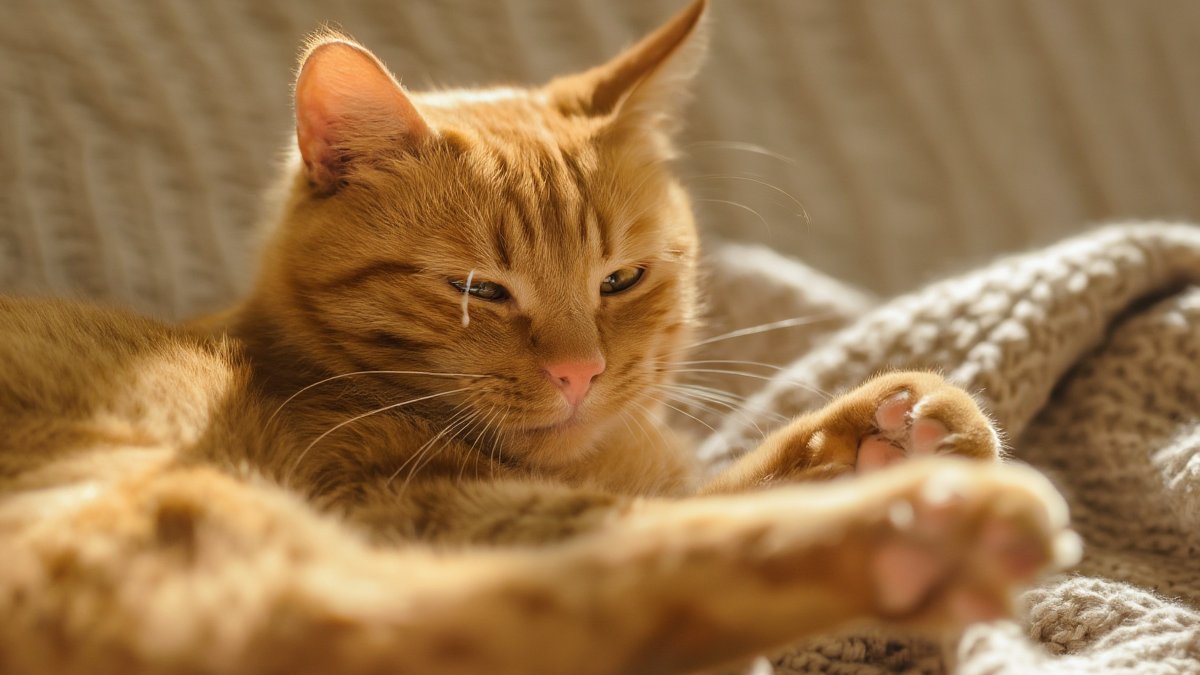
Kneading begins before cats are born. Fetal kittens press their paws against the mother’s belly, and nursing kittens knead rhythmically to stimulate milk flow. The behavior is wired in during the earliest weeks of life and, in most cats, survives long past weaning. Adult cats knead when they feel safe, warm, and content — the emotional state closest to nursing against their mother. That is why the kneading cat is usually also purring, drooling slightly, and profoundly relaxed: the whole package is a reenactment of the most secure moment a cat has ever known.
The Other Reasons Adult Cats Knead
Nursing memory explains the behavior but not all of its adult uses. Cats also knead to claim territory: their paws carry scent glands, and the pressing motion deposits their marker into blankets, cushions, and laps — a quiet way of saying this spot is mine. Many cats knead while settling in for sleep, in the same way a dog turns circles: the rhythmic motion may smooth and test a resting spot, an echo of ancestors arranging grass nests. Female cats in heat knead more conspicuously, which is worth knowing only because it changes what the behavior means — restless, vocal kneading in an unspayed female is a heat sign, not contentment.
Own a Veterinary Clinic?
Enjoyed this article? Our editorial team researches, writes, and publishes professional features just like this one about clinics across the US. Get your practice in front of thousands of cat owners searching for a vet in your city.
When Kneading Hurts: Managing the Claws
- Keep nails trimmed every two to three weeks — short nails turn a needle jab into a dull press, which solves most of the pain problem without changing the cat.
- Redirect to a surface built for it: a thick knit blanket, a plush cat bed, or a kneadable pad becomes the preferred target if you consistently place the cat there when the rhythm starts.
- Never punish the kneading itself. Scolding a comfort behavior teaches the cat to avoid you and does nothing about the claws; redirection plus trims does.
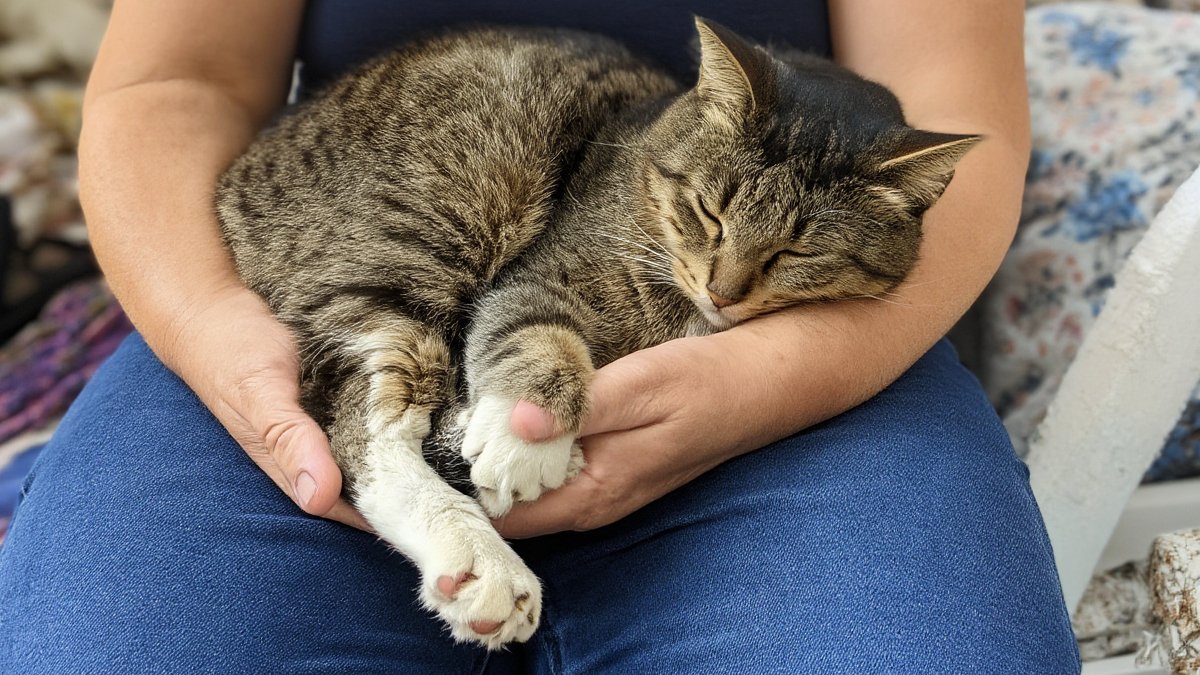
- For lap sessions, a folded blanket across your thighs converts the paws’ favorite target into a buffer, and most cats accept the fabric happily.
- If the cat only kneads aggressively while agitated, or kneading comes with biting, that pattern is petting-induced overstimulation — a different problem worth its own conversation with a vet or behaviorist.
When Kneading Is Not Normal
Kneading is almost always harmless, but three patterns deserve attention. Sudden, intense new kneading in a cat that never did it before can follow a stressor or a comfort-seeking response to illness — paired with appetite or litter changes, it warrants a checkup. Excessive self-directed kneading or sucking on fabric with the kneading (wool-sucking) can be a compulsive pattern, most common in cats weaned early, and behaviorists have real tools for it. And painful-looking kneading with limping or foot-licking points at the paws themselves — injury, arthritis, or nail problems — rather than contentment.
A Worked Example: Where Behavior Questions Meet a Vet in Jackson, Mississippi
Most kneading conversations end with reassurance and a nail trim, but the exceptions benefit from an in-person look at the paws, the coat, and the behavior pattern. In central Mississippi, Animal Medical Center in Jackson, Mississippi, rated 4.8 by more than fifty pet owners, is a full-service clinic where a sudden change in a favorite cat behavior gets the same thoroughness as a medical complaint. Owners across the Jackson metro area can compare practices in the cat vets in Jackson, MS listing.
Animal Medical Center
995 I 20 Frontage Rd, Jackson, MS, 39204
Phone: (601) 354-3622
⭐ 4.8
Questions About Cat Kneading
Kneading is one half of the affection story cats tell with their bodies — the other half is the petting boundary, covered in why cats bite when petted. If your cat kneads one spot of the house obsessively and ignores you otherwise, why cats hide suddenly helps read withdrawal signals, and are cats playing or fighting decodes what those busy paws mean in a two-cat household.
This article is editorial content produced by the CatVetFinder team. Clinic details are drawn from public listings and may change — always confirm hours and services with the clinic directly.