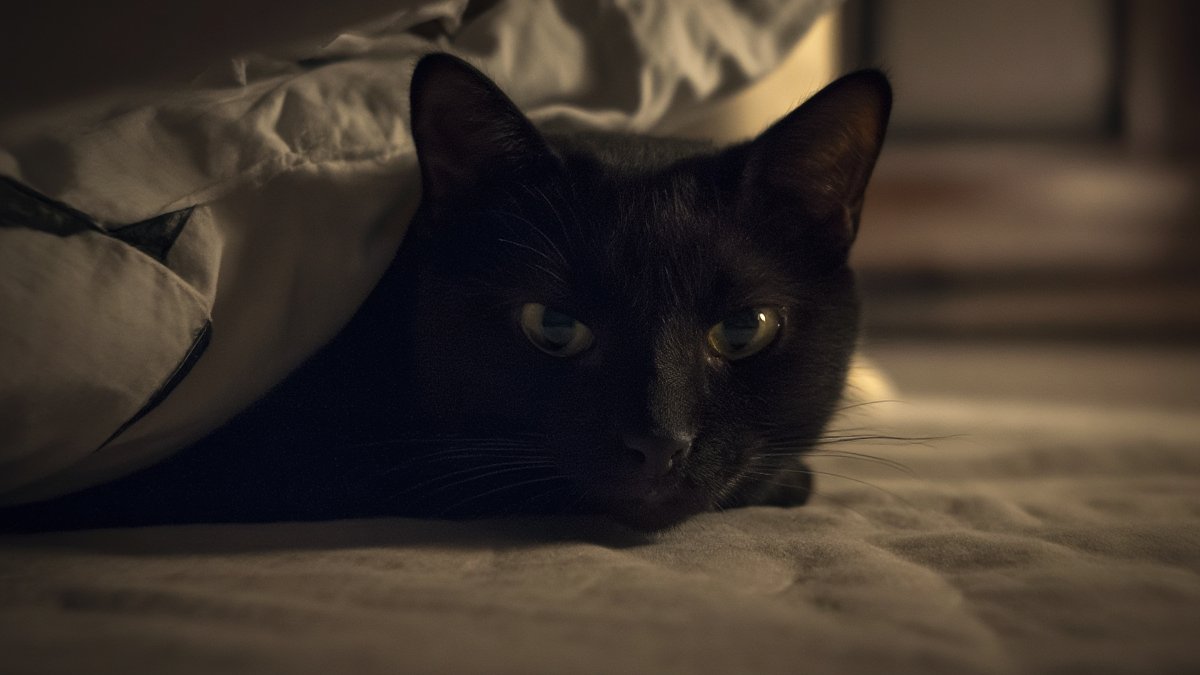
A cat who vanishes under the bed and turns down dinner is not being moody. Hiding and appetite loss travel together for a reason: hiding is the oldest sick-cat behavior there is, because in the wild an animal showing weakness becomes prey. When your cat pairs the two, you are usually looking at the first symptoms of something — not the last ones.
That said, the combination spans everything from a two-day stress reaction to a genuine emergency, and the difference mostly comes down to three questions: how long it has been, what else changed, and how the cat looks while hiding. This guide walks through the checklist in that order.
The 48-Hour Clock: Why Appetite Loss Has a Deadline
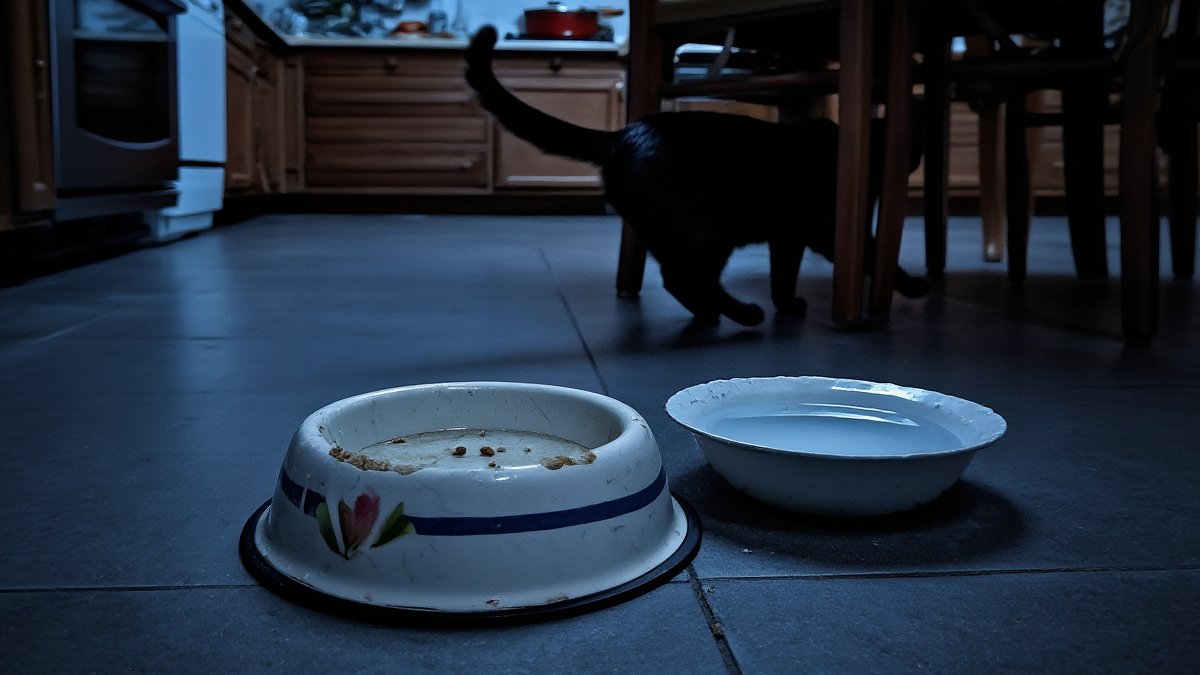
The single most important fact about cats refusing food: a cat who eats nothing for roughly two to three days — less for overweight cats and kittens — risks hepatic lipidosis, a fatty-liver condition that can become permanent organ damage. The liver needs a steady trickle of protein intake to keep clearing fat; when a cat stops eating, the body mobilizes fat faster than the liver can process it. This is why "just wait and see if she gets hungry" is the most dangerous advice in cat ownership. General rule used by vets: 24 hours with zero food and zero interest warrants a call, 48 hours warrants an exam regardless of how normal the cat seems, and any kitten, senior, or cat with known disease gets checked sooner.
The Common Reasons Cats Hide and Stop Eating
Work through these in order — most cases land in the first three:
- Nausea and stomach pain: the top reason. Cats feel sick, retreat somewhere dark and quiet, and refuse food because eating makes it worse. Look for the companions: lip licking, drooling, swallowing repeatedly, vomiting, or gagging at the bowl.
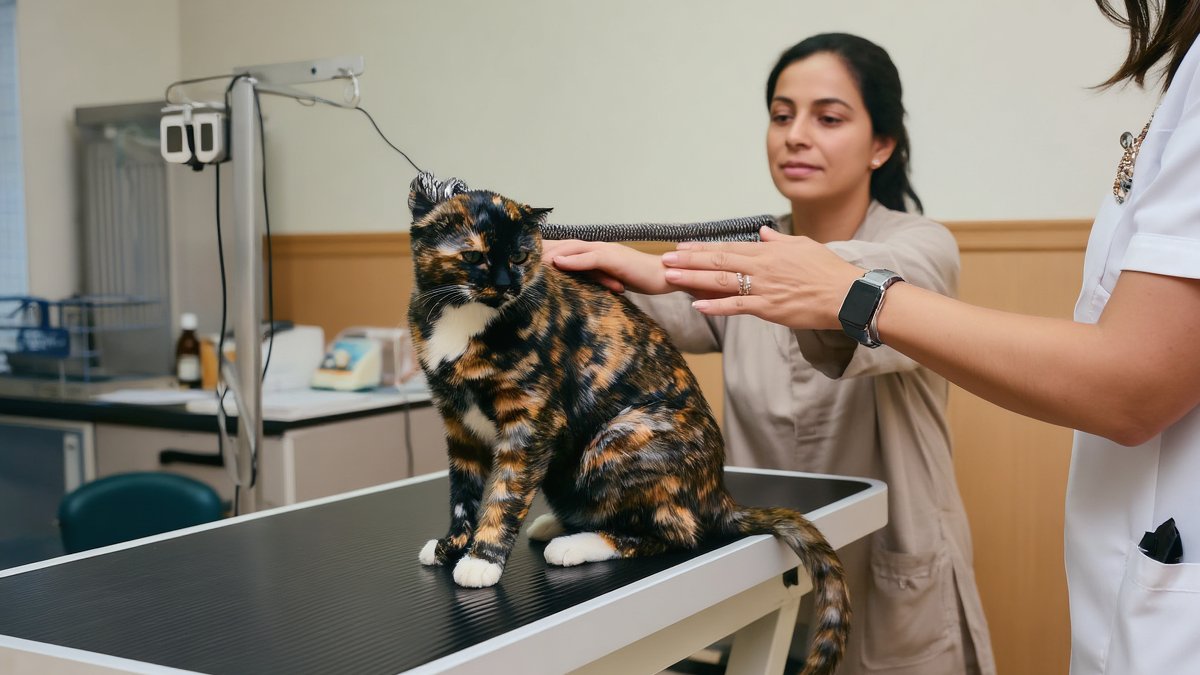
- Pain anywhere in the body: dental disease, a bitten abscess, arthritis flare, injury from a jump or a fall. Cats hide pain reflexively. A cat who stops jumping, flinches when touched at the lower back, or chews oddly on one side of the mouth fits here.
- Fever and infection: an abscess, a viral upper respiratory infection with a stuffed nose (cats will not eat what they cannot smell), or any systemic infection produces exactly the hide-and-starve picture. Check whether the ears feel hotter than usual and whether the nose runs.
- Stress and environmental change: new pet, new person, move, renovation, or a changed schedule. Stress hiding usually comes with normal hydration and gradual, partial appetite loss — and a clear trigger date.
- Urinary blockage or constipation: straining in the box, repeated unproductive trips, crying. A blocked male cat is a same-day emergency, and hiding is often the first thing owners notice.
- Organ disease: kidney disease, pancreatitis, and hyperthyroidism in transition states all suppress appetite. Older cats especially — a gradual slide of "a little pickier, a little thinner" every week is a workup, not a quirk.
The Home Checklist: What to Look For Right Now
Before you call, gather the five facts that turn a vet conversation from vague to decisive:
- Timing: the last meal you saw her actually eat, in hours. Under 24 hours changes the urgency math.
- Water: is she drinking, ignoring the bowl entirely, or drinking noticeably more? Increased thirst plus hiding points to metabolic disease.
- Elimination: last urination and stool you can confirm, and any straining, crying, or repeated box visits. Nothing in 24 hours moves the visit earlier.
- Other signs: vomiting, drooling, wobbly gait, breathing faster than about 35-40 breaths per minute at rest, pale or yellowish gums, discharge from eyes or nose.
- Environment: the trigger audit — what changed in the week before it started? A new pet or visitor explains a lot; nothing changed at all makes medical causes more likely.
What You Can Try at Home — and What You Should Not
If the cat seems otherwise normal — no vomiting, normal breathing, no straining — a same-day attempt at tempting food is reasonable: warm a small amount of wet food slightly to boost the smell, offer plain cooked chicken or a favorite treat by hand, and quietly sit with her. Do not force-feed by syringe without vet guidance; a nauseated cat forced to eat can develop a lasting food aversion, and the wrong technique risks aspiration. Never give human appetite stimulants or any medication meant for people — several are toxic to cats. And do not "wait until Monday" if the appetite has already crossed the two-day line; by then the clock matters more than the weekend.
Mother Lode Veterinary Hospital
509 Amsel Way, Grass Valley, CA, 95949
Phone: (530) 272-6651
⭐ 4.7
When Hiding Means Go In Now
Treat any of these as same-day, not tomorrow: no urine produced for 24 hours or straining in the box; rapid or open-mouth breathing; pale, white, or yellow gums; collapse or a wobbly walk; repeated vomiting with nothing coming up; a known toxin exposure (lilies, medications, antifreeze, string); or a kitten, a senior, or a diabetic cat refusing food at all. For everything else, the standard is simple: if the appetite has not returned to normal within 24 hours, or the cat has eaten nothing in 48, book the exam — with your checklist in hand. Bloodwork, a fever check, and a dental look solve most of these mysteries in one visit.
Own a Veterinary Clinic?
Enjoyed this article? Our editorial team researches, writes, and publishes professional features just like this one about clinics across the US. Get your practice in front of thousands of cat owners searching for a vet in your city.
The bottom line: hiding plus a skipped meal is your cat's way of saying something is wrong before anything looks wrong. Count the hours, watch the box and the water bowl, and let the 24/48-hour rule make the decision for you. Related reading: what fatty liver disease means when cats stop eating explains the deadline in detail, and cat not eating: when to worry covers appetite loss on its own.
This article is editorial content produced by the CatVetFinder team. Clinic details are drawn from public listings and may change — always confirm hours and services with the clinic directly.