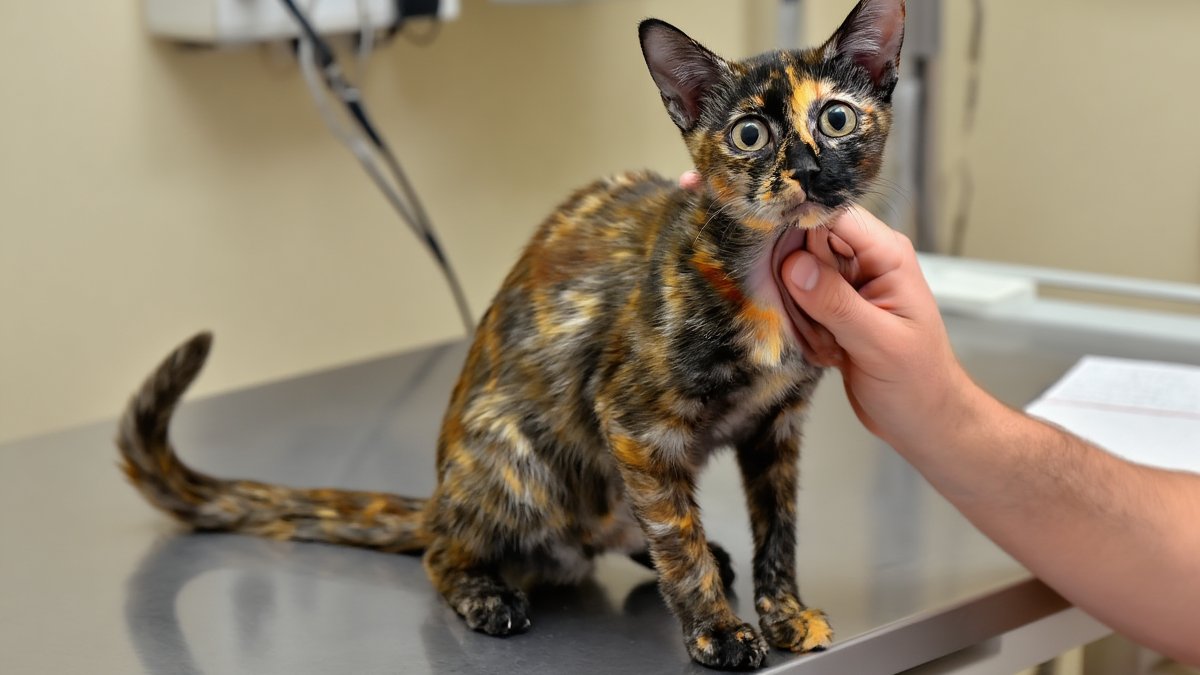
Somewhere around age ten, many cat owners notice a strange trade happening: the cat is eating more than it has in years — sometimes begging like a kitten — yet the hips are getting bonier and the spine more prominent. That combination, a bigger appetite attached to a smaller body, is the signature of hyperthyroidism, the most common hormonal disease of middle-aged and older cats. It is caused by a benign overgrowth of thyroid tissue in the neck that pumps out too much metabolism-speeding hormone, and it turns the cat’s own body into a furnace burning fuel faster than it can be replaced.
Why the Disease Hides So Well
Hyperthyroidism starts slowly and borrows the disguise of "aging well." A cat that suddenly acts years younger — racing up the stairs, yowling for dinner at 5 a.m. sharp, turning up its nose at nothing — feels like good news after a decade of sedentary middle age. Owners often describe it as a second kittenhood. In reality the excess thyroid hormone is speeding up everything: heart rate, digestion, appetite, and the pace at which muscle burns away. Because each individual change is subtle, the disease typically smolders for months before anyone connects the dots, which is exactly why knowing the full sign list matters.
The Sign Cluster, from Most Obvious to Easiest to Miss
- Weight loss with a ravenous appetite. This is the headline pair. Food intake goes up while the body slims down, and the loss favors muscle, so the cat feels light and bony rather than just smaller.
- Increased thirst and urination. The furnace effect pulls water through the kidneys. A cat filling the bowl more often, or clumping litter into noticeably larger masses, is flagging a shortlist of diseases that includes hyperthyroidism, diabetes, and kidney disease [[the thirst comparison|/blog/cat-drinking-a-lot-of-water/]].
- Restlessness and nighttime vocalization. Pacing after midnight, yowling in hallways, staring at walls — excess thyroid hormone is a stimulant, and the effect is often loudest when the house is quiet [[the night-vocalization overlap|/blog/cat-meowing-at-night/]].
- A fast or galloping heartbeat. Vets often catch this before owners do. Over time the speeding heart can thicken and remodel itself, which is why early treatment protects more than weight.
- Vomiting and looser stools. The over-revved gut moves food through too quickly; periodic vomiting and occasional diarrhea ride along.
- An unkempt or greasy coat. Cats with hyperthyroidism often groom less thoroughly, and the fur develops a scruffy, matted quality that owners attribute to laziness.
- A palpable neck lump. In many cats the enlarged thyroid lobes can be felt as small peas sliding along either side of the windpipe — a finding your vet checks on every senior exam.
How the Diagnosis Actually Happens
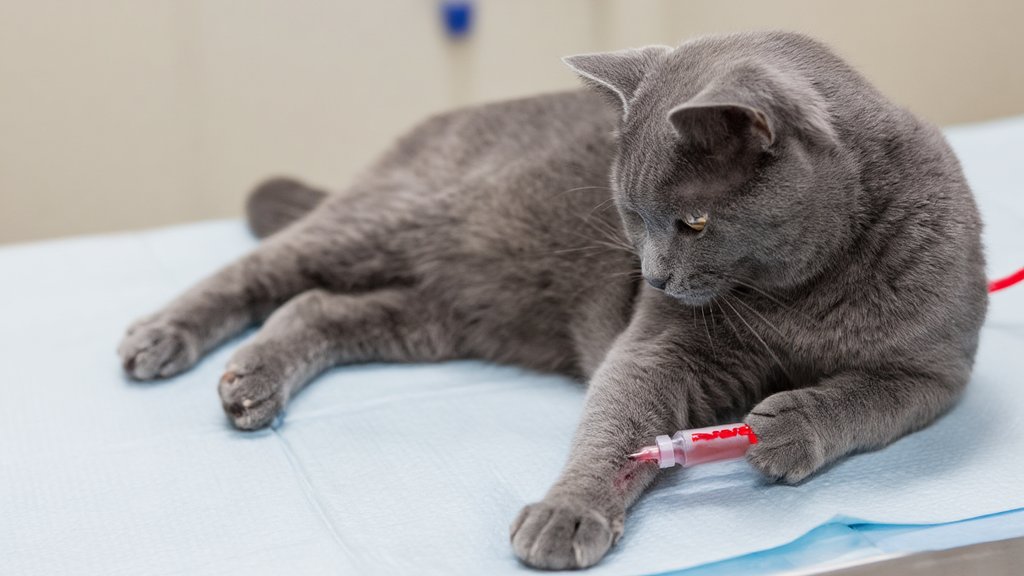
There is no diagnosing this by eye alone — the sign list overlaps with diabetes, kidney disease, and intestinal disease, and more than one can coexist in the same senior cat. The confirmatory test is a blood panel measuring thyroid hormone (T4), usually bundled into the senior wellness profile that also checks kidney values and blood sugar. Most hyperthyroid cats show T4 levels far above the reference range, making the diagnosis straightforward; a few borderline cases need a repeat test or a free-T4 follow-up. Blood pressure and a heart rhythm check round out the visit, because both are affected by the disease. Once the number is in hand, the conversation shifts to treatment, and this is genuinely one of the better news diagnoses in senior medicine.
Own a Veterinary Clinic?
Enjoyed this article? Our editorial team researches, writes, and publishes professional features just like this one about clinics across the US. Get your practice in front of thousands of cat owners searching for a vet in your city.
The Four Treatment Paths, Briefly
Owners usually choose among four roads. Daily medication (methimazole, as a pill or a transdermal ear gel) controls the hormone level and is the classic starting point, though it means lifelong dosing and periodic blood rechecks. Radioactive iodine therapy is the closest thing to a cure — a single injection destroys the overactive tissue, with a short hospital stay for radiation safety — and has the highest long-term success rate. A prescription diet with strictly controlled iodine levels can manage the disease in cats who cannot take pills, but only if the cat eats nothing else, which rules out many households. Surgery to remove the affected thyroid tissue still exists but has largely been replaced by iodine therapy. Age alone is rarely a barrier; a medically stabilized hyperthyroid cat in its late teens is a routine candidate for the curative option.
What This Looks Like in Practice: St Johns Veterinary Hospital and Cat Clinic, St. Augustine, FL
St Johns Veterinary Hospital and Cat Clinic: Danielle Churchill DVM
1360 U.S. Rte 1, St. Augustine, FL, 32084
Phone: (904) 824-8123
A cat-specific practice is a comfortable place to bring a question like "she eats constantly and is still shrinking." St Johns Veterinary Hospital and Cat Clinic, located at 1360 U.S. Rte 1 in St. Augustine, Florida, is exactly what the name advertises — a feline-focused hospital whose routine work includes senior wellness screening, the very visit where a thyroid value gets flagged early. Its feline-only orientation means carriers, handling, and quiet rooms are built for cats rather than added on — a real difference when the patient is a shaky, senior, underweight cat who needs blood drawn. Call (904) 824-8123 to schedule a senior check, and owners in surrounding communities can scan the full cat vets in St. Augustine, FL listing to compare practices nearby.
Why Waiting Is the Expensive Choice
Untreated hyperthyroidism does not plateau — it escalates. The overworked heart can progress toward thickened-wall disease and heart failure; blood pressure climbs and threatens the kidneys and the retinas; muscle wasting eventually leaves a cat too weak to jump, then to groom, then to eat enough at all. Meanwhile the disease masks early kidney failure, because the revved-up metabolism artificially inflates kidney blood values. Only after the thyroid is controlled do the true kidney numbers surface, which is why vets build a staging period into every treatment plan. Caught early, the outlook is genuinely good: most treated cats regain weight, quiet their midnight concerts, and return to a normal life expectancy. The disease is common, testable in one blood draw, and manageable in four ways — the only losing move is assuming the ravenous appetite is just personality.
This article is editorial content produced by the CatVetFinder team. Clinic details are drawn from public listings and may change — always confirm hours and services with the clinic directly.