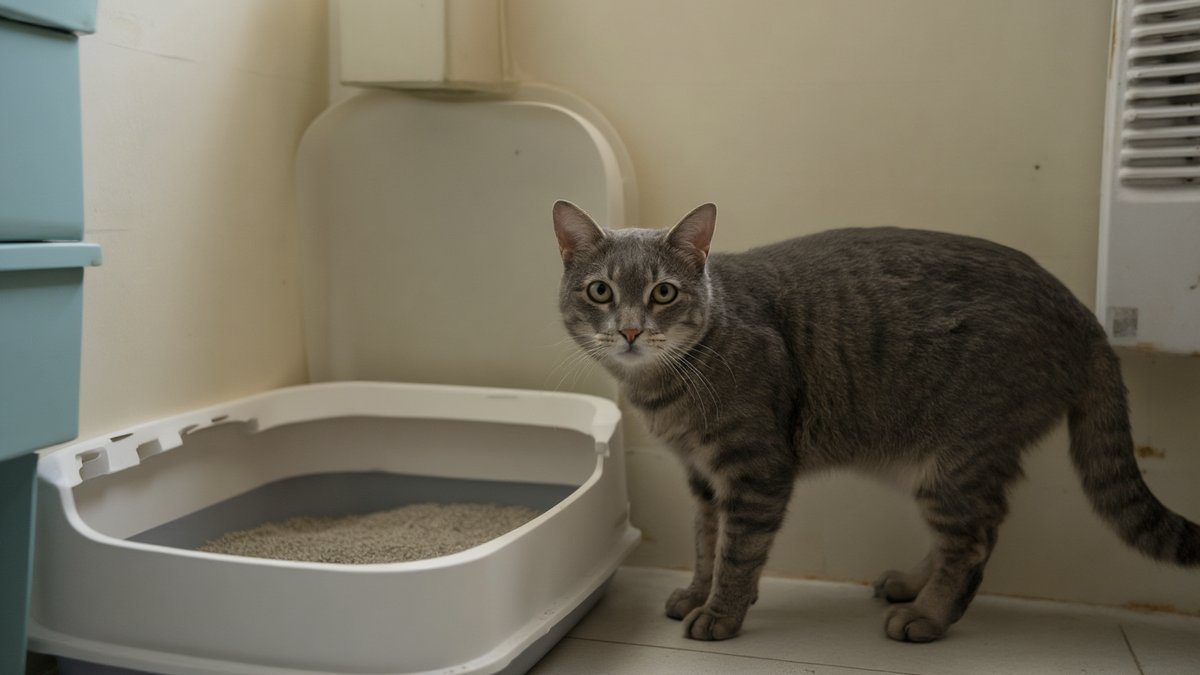
There is a particular brand of feline indignity that arrives the first time you find a deposit sitting proudly uncovered in the middle of the box. Covering waste is, in the wild, a subordinate-cat behavior — a way of hiding your location from bigger, hungrier cats. So when a house cat walks away without burying, the honest first question is not "what is wrong with her" but "what is she telling us about how she ranks the household, the box, or her own comfort." Sometimes the answer is trivial. Sometimes it is a box problem you can fix tonight. And occasionally it is pain, which cats are world-class at hiding. Here are the reasons that actually explain uncovered poop, in roughly the order a vet would check them, and what to do about each.
The Reasons That Explain Uncovered Poop
The Fix-It Plan, in Order
- Rule out pain first if the behavior is new or the cat is senior. A basic exam — hips, paws, anal glands, and a look at stool quality — settles the question in one visit, and it is the step that matters most.
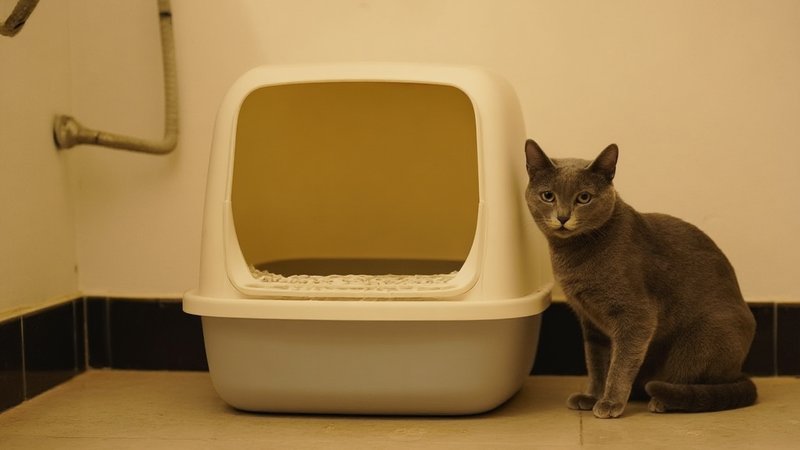
- Upsize the box and the litter depth. Goal: a box at least one and a half times her body length, filled two to three inches deep with fine, unscented clumping litter.
- Clean more often. Scoop daily at minimum; uncovered waste in a filthy box is often simple protest at conditions.
- Add a box if you have multiple cats or a large home — one per cat plus one, in separate quiet locations. A cat who is rushed or ambushed mid-burial may abandon the ceremony.
- Re-teach gently, only if you want to: when she finishes and walks away, some owners gently guide one paw in a digging motion — no pushing, no scolding. It works on a minority of cats and harms none of them.
- Accept the statement. If everything above checks out and she still leaves messages uncovered in a clean box, you are probably owned by a cat who considers herself management. That is a personality, not a problem.
Own a Veterinary Clinic?
Enjoyed this article? Our editorial team researches, writes, and publishes professional features just like this one about clinics across the US. Get your practice in front of thousands of cat owners searching for a vet in your city.
What This Looks Like in Practice: Southmarch Veterinary Hospital, Loveland, CO
Southmarch Veterinary Hospital
214 19th St SE, Loveland, CO, 80537
Phone: (970) 622-8381
⭐ 4.9 (163 reviews)
A worked example for Colorado owners: Southmarch Veterinary Hospital in Loveland holds a 4.9-star rating across 163 reviews, and a first-visit conversation about uncovered poop takes ten minutes — the vet watches stool quality, checks hips and anal glands, and tells you whether the answer is physical or behavioral. Loveland owners can reach the clinic at (970) 622-8381 at 214 19th St SE, and the cat vets in Loveland listing is the place to compare every local practice before booking.
If You Only Read One Section
Uncovered poop is usually communication, not malfunction: dominance in confident or multi-cat homes, a too-small or too-dirty or unpleasant-to-dig box in many others, and unlearned technique in a few. Change what is cheap to change first — bigger box, deeper fine unscented litter, daily scooping, one extra box — and give it a week or two. Go to the vet promptly if the habit is new, the cat is older, digging looks painful, or the stool itself looks wrong, because pain is the one explanation you cannot see from the outside. And never punish it; the box must remain the safest spot in the house or you will trade a quirk for a much bigger problem.
This article is editorial content produced by the CatVetFinder team. Clinic details are drawn from public listings and may change — always confirm hours and services with the clinic directly.