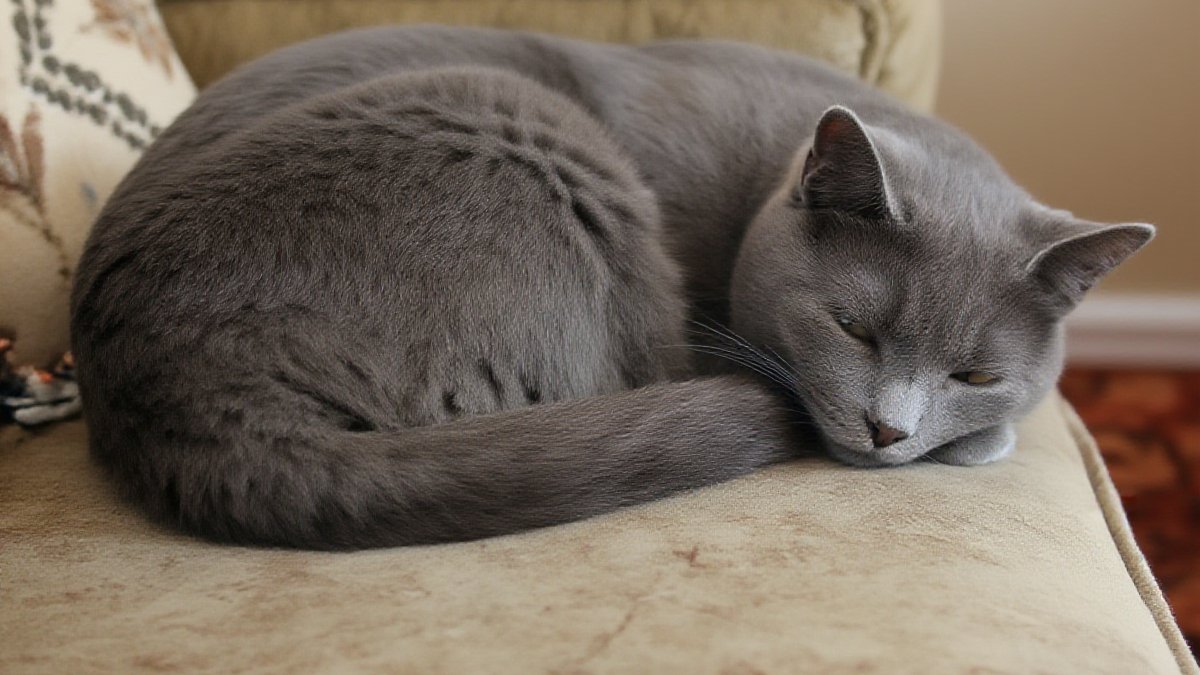
Pancreatitis is the great imitator of cat medicine. In dogs it announces itself loudly; in cats it sulks. A cat with an inflamed pancreas usually does not writhe or beg at the door of the exam room — it simply stops being itself. It skips breakfast, hides under the bed, vomits once or twice, drinks a little less. Owners often describe the change as "my cat has been off for a few days," which is exactly why this condition slips by: nothing about the early picture screams emergency, and almost everything about it is vague enough to look like a dozen milder problems.
Because the symptoms are quiet and the stakes are real — untreated pancreatitis can drain a cat into dehydration, pain, and organ trouble — this guide starts with the questions owners actually ask, then walks through what the pancreas does, the signs worth acting on, how the diagnosis works, and what treatment and recovery look like in practice.
Questions Cat Owners Ask About Pancreatitis in Cats
What the Pancreas Does — and Why It Complains Quietly
The pancreas is a small, pale organ tucked along the stomach and the start of the small intestine, and it has two jobs: pouring digestive enzymes into the gut to break down food, and releasing insulin into the bloodstream to manage blood sugar. Pancreatitis is what happens when those enzymes activate too early — inside the organ instead of in the intestine — and the pancreas begins, in effect, digesting itself. The resulting inflammation releases signals that make the cat nauseated, painful, and systemically unwell, and in bad cases the inflammation spills into the liver, the intestines, and beyond.
Cats are unusual patients here. Their pain expression is minimal — a stoic species showing pain as stillness, not limping or crying. And their tolerance for not eating is terrible: a cat that fasts for several days, especially one carrying extra weight, risks hepatic lipidosis, a fat-metabolism crisis in the liver that is its own emergency. So a condition that might just be a miserable week in another species becomes, in cats, a condition with a clock attached.
Own a Veterinary Clinic?
Enjoyed this article? Our editorial team researches, writes, and publishes professional features just like this one about clinics across the US. Get your practice in front of thousands of cat owners searching for a vet in your city.
The Signs, Ranked From Vague to Urgent
- Three days or more of eating less or nothing — the single most important sign in cats, and the one that should end any wait-and-see plan. Cats are not designed to fast.
- Vomiting that repeats — not the once-a-week hairball, but nausea you can see: lip-licking, salivating, hunching, then producing fluid or food.
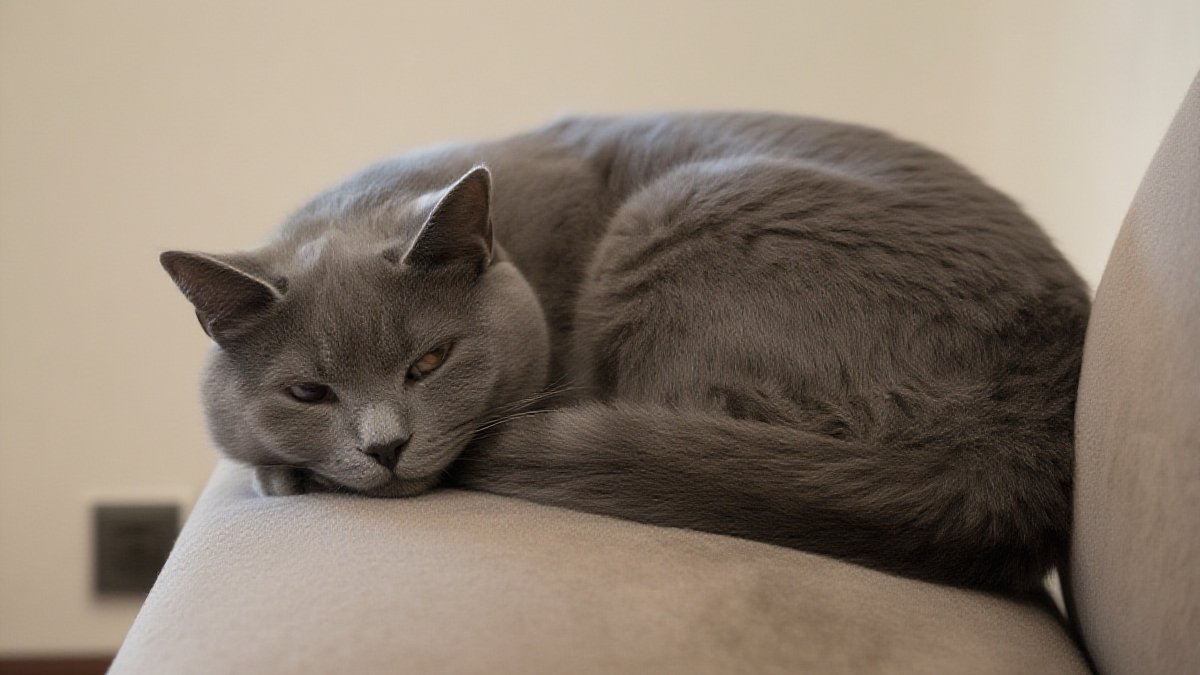
- Lethargy and hiding — the cat who is under the bed instead of on it, skipping the window perch, ignoring the routine that never gets skipped.
- Weight loss over weeks — common in the chronic, smoldering form of the disease, often alongside a picky or inconsistent appetite.
- Dehydration signs — tacky gums, skin that tents slowly when lifted at the shoulder, sunken eyes, less time at the water bowl.
- Diarrhea or abnormal stool — inflammation of the pancreas disrupts digestion, and the gut downstream shows it.
- A painful or tucked belly, jaundiced gums or ear tips, or a fever — these are the late markers of a severe flare. Any of them is a same-day call, no debate.
What the Veterinary Workup Looks Like
Expect the visit to start with history and palpation — where the cat has been eating, what it has gotten into, whether the abdomen feels tense or uncomfortable — followed by baseline bloodwork that looks at kidney values, blood sugar, liver enzymes, and hydration. From there the pancreas-specific pieces come in: the fPLI blood test, which is the most reliable single blood marker for feline pancreatic inflammation, and an abdominal ultrasound, which lets the vet look at the pancreas directly and check the liver and intestinal tract at the same time. A diagnosis of pancreatitis is rarely declared on one data point; it is the pattern across exam, labs, and imaging that makes the call.
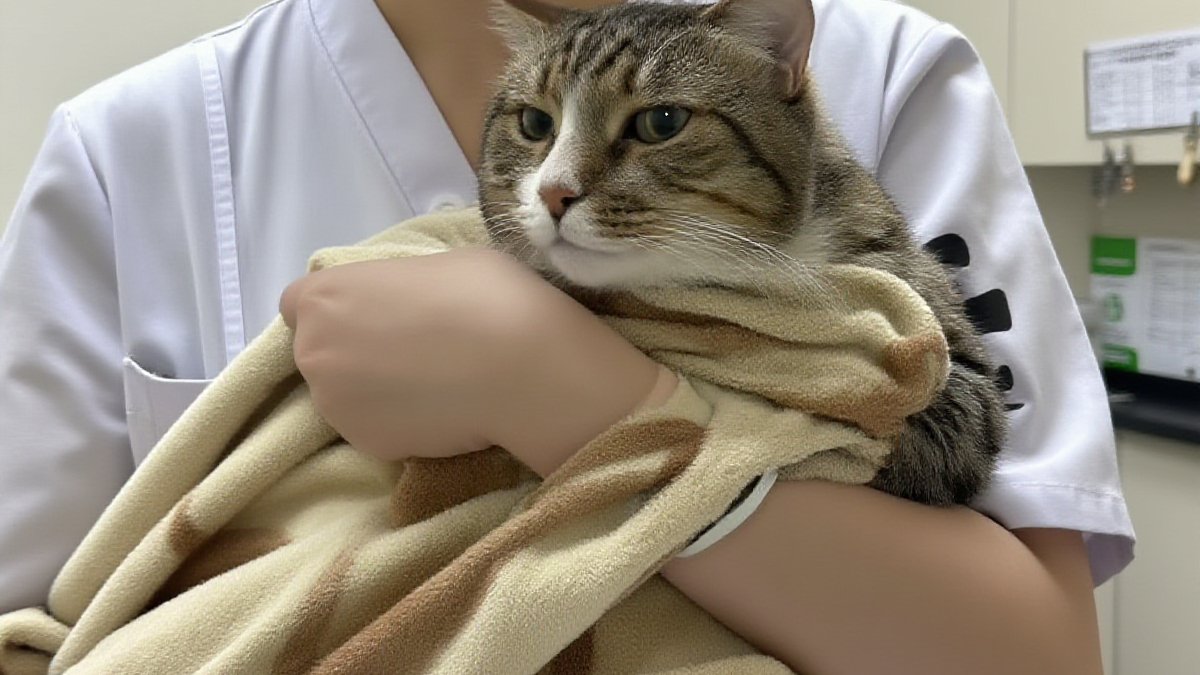
Treatment is mostly supportive and it works: subcutaneous or intravenous fluids to reverse the dehydration, anti-nausea medication so the gut stops revolting, pain control (often opioid-based, because feline pancreatitis hurts more than the cat admits), and — the part that surprises owners — food. Hospitalized cats are coaxed to eat early, sometimes with appetite stimulants, sometimes with hand-feeding, because the fasting myth has been retired by the evidence. Most mild-to-moderate patients improve within two to five days. Severe flares need hospitalization and, occasionally, feeding tubes — which sound dramatic but are routine, safe, and frequently the turning point of the whole case.
What This Looks Like in Practice: Sweeties Cat House, Brandon
Sweeties Cat House
1534 Virginia Ct, Brandon, FL, 33511
Phone: (813) 205-0609
⭐ 4.8 (68 reviews)
Sweeties Cat House on Virginia Court in Brandon is a cats-only practice — and the cats-only part is quietly relevant to a disease this subtle. Feline-only teams see vomiting-and-not-eating cases every single week, so the pattern recognition is sharper, and a cat-only clinic is built to keep cats calm: no barking dogs in the lobby, fewer stress signals muddying the exam. They hold a 4.8-star average across 68 client reviews, the kind of profile that grows out of routine wellness relationships rather than one-off visits — which matters here, because a vet who knows this cat's normal weight and normal appetite can spot "off" a week sooner than a stranger can. The phone is (813) 205-0609 and the clinic sits at 1534 Virginia Ct, Brandon, FL 33511.
The practical flow for an owner: call and give the timeline straight — how many days off food, how many vomiting episodes, whether the cat is drinking and using the box. Expect questions about diet changes and anything the cat may have chewed or eaten. If the practice suspects pancreatitis, the likely sequence is same-day fluids and anti-nausea medication, an fPLI test, and an ultrasound once the cat is stable enough to lie still for it. Worth asking: how soon do you want to see a repeat vomiter, do you offer follow-up weight checks after recovery, and what should I feed during the recovery week? For owners shopping the area, the cat vets in Brandon, FL directory lists every practice nearby, and the full profile at Sweeties Cat House carries hours and directions.
A cat that stops eating is never "just being fussy." In cats, appetite is a vital sign.
Pancreatitis rarely travels alone, and the surrounding conditions deserve their own reading. why cats vomit and when to worry sorts benign vomiting from concerning, cat diarrhea and when to worry covers the other gut symptom that often rides along, cat not eating: when to worry goes deep on the appetite side, and cat anemia signs explains the lethargy-and-pale-gums picture that occasionally overlaps.
This article is editorial content produced by the CatVetFinder team. Clinic details are drawn from public listings and may change — always confirm hours and services with the clinic directly.