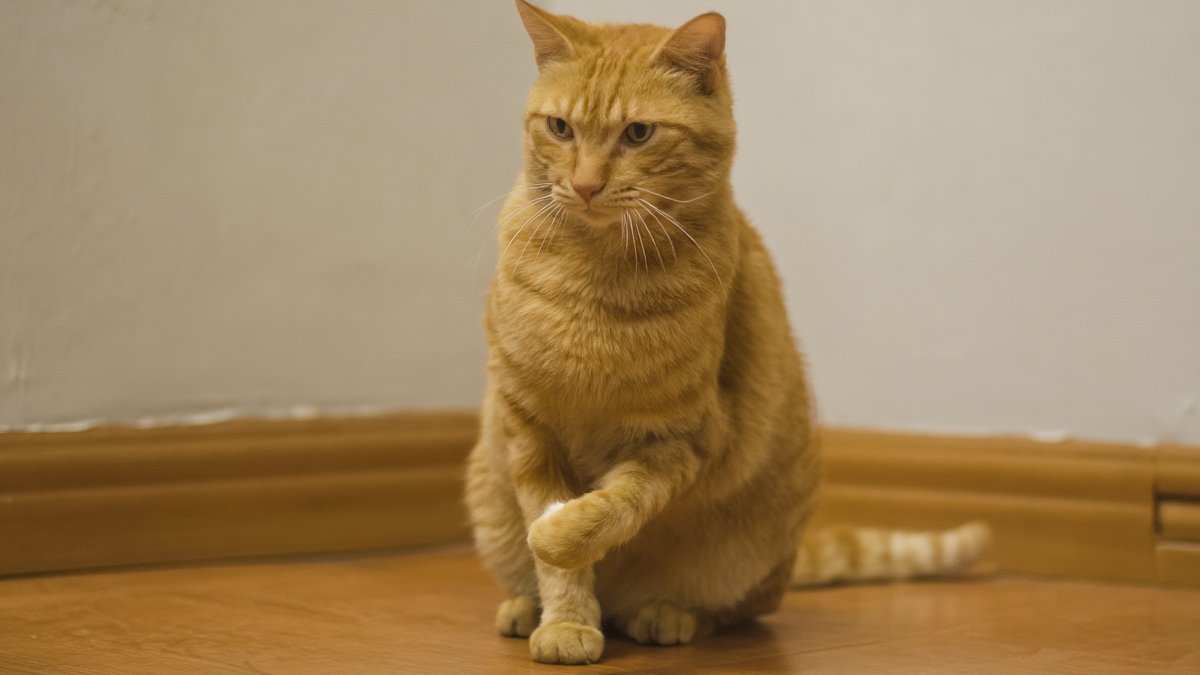
A cat hops off the windowsill and does the thing that makes owners drop their coffee: holding one paw up, refusing to put it down, maybe flicking it or licking at it obsessively. Paw pad injuries are among the most frequent "is this an emergency?" calls a cat clinic fields, and the honest answer is a wide one — some pad problems need surgery within hours and some resolve with a rinse and a quiet afternoon. The skill owners need is not diagnosis. It is triage: knowing which of those two categories the paw in front of you belongs to.
This guide gives you that triage in order — what to look at, what to clean, what to absolutely not do (bandage tape on fur, human painkillers, pulling on a thread), and the specific signs that turn a wait-and-see morning into a drive.
First, Get a Good Look (Safely)
Most cats will not volunteer a paw, and even tolerant cats can bite when a painful one is handled. Do the exam on the cat's terms: sit at her level, let her settle, and lift the leg only far enough to see the pad in good light. Work through one question at a time — this is the sequence a vet uses, and it also tells you what to report on the phone:
- Is anything stuck in or through the pad? Glass, a sewing needle, a fishhook, a thorn, a splinter of wood. Anything embedded is a clinic job — never dig it out at home.
- Is a thread, string, or hair wrapping the toes? Litter and hair ties wind tightly between toes and cut into skin. A loose hair you can slide off gently is fine; anything embedded or cutting — leave it for the vet, because what wraps the toe may also run deeper.
- What does the pad surface look like? A clean shallow scrape from a rough surface is common and often manageable at home. Flaps of torn pad, deep cracks, ulcers, or blackened tissue are not.
- Is the paw swollen, and how does it compare to the other paw? Warmth, spreading swelling, or visible pus moving up the leg means infection is established.
- How is the cat otherwise? Eating, alert, grooming normally — versus hiding, breathing fast, or refusing food. A pad injury never justifies a cat in distress, and distress means something bigger.
Minor Scrapes: Home Care That Is Actually Recommended
If the exam shows a shallow, clean scrape — no embedded object, no flap, no swelling — home care is genuinely reasonable. Clean the pad with lukewarm water and a mild, unscented soap or a plain saline rinse, pat it dry, and keep the cat indoors on soft surfaces for a few days. Paw pads are thick tissue with strong blood supply; superficial abrasions on a healthy cat usually harden over within a week. Keep the litter box pristine during healing — litter is a dust-and-bacteria field aimed directly at an open wound — and check the pad once a day for the three changes that upgrade the problem: spreading redness, any discharge, or increasing limp.
The one intervention owners reach for that they should not: bandaging. A wrap put on with household tape compresses fur and skin, traps moisture, and is frequently left on for days — by which time the pad underneath is macerated and worse. If a wound needs a real bandage, that is a sign it needs a vet to place and monitor it, with proper materials and a change schedule.
Burns, Ice, and Chemicals: The Pad Injuries Owners Misjudge
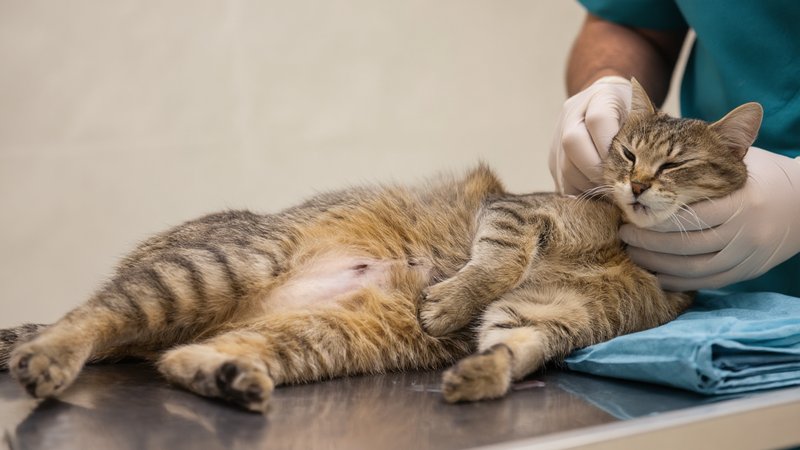
Heat pads and heating blankets set too warm cause contact burns on the pads that look deceptively mild at first — the skin darkens and stiffens over the following days, and the true depth only shows later. The same delayed worsening happens with chemical burns: a cat who walked through a cleaning product, salted driveway de-icer, or spilled antifreeze carries the compound on the pads and then absorbs more while grooming. For both, the home step is the same — flush the pads with copious cool running water for several minutes, wipe off residue, and call the clinic the same day rather than waiting to see how it looks. Cold is the third misjudged injury: frostbitten pads are pale or grey-white and stay painless long enough for owners to shrug, then blister and slough over a week. Any pad that has been numb or discolored from cold deserves a professional look even when the cat seems fine.
Own a Veterinary Clinic?
Enjoyed this article? Our editorial team researches, writes, and publishes professional features just like this one about clinics across the US. Get your practice in front of thousands of cat owners searching for a vet in your city.
When It Is Not a Pad Injury at All
A paw held up is a symptom with a long list behind it, and several entries are invisible from the floor. A torn or broken claw — often from a jump gone wrong or a snag — hurts exactly like a pad cut and is easy to miss unless each toe is checked. A grass awn or foxtail lodged between the toes, a nail growing back into the pad, a fractured toe, a dislocated joint, an abscess from a bite on the leg, and — in indoor cats who jump — soft-tissue injuries of the shoulder and wrist all present as limping. If you find nothing on the pad itself, the problem is somewhere above it, and that is a vet-visit conclusion, not a home one.
Time adds information: a limp that has not improved in two to three days, or that improves and then returns, is no longer a scrape. Something structural or infectious is settling in.
What This Looks Like in Practice: Haven Animal Hospital, Ballston Spa, NY
Because the difference between "rinse and rest" and "this needs the clinic today" is exactly the kind of judgment call that benefits from a real exam, it helps to see a well-run version of that visit. Haven Animal Hospital on Route 9 in Ballston Spa, New York — rated 4.7 stars across more than 270 owner reviews — fields exactly this call daily: a same-day look at the paw, toe-by-toe under proper light, radiographs if a fracture is suspected, and wound care with the correct materials instead of a hardware-store wrap. Reviews consistently mention prompt handling of urgent small things — the broken nail, the swollen pad — which is the bar a good first-contact clinic clears.
Haven Animal Hospital
2686 State Rte 9, Ballston Spa, NY, 12020
Phone: (518) 583-7865
⭐ 4.7 (277 reviews)
The practical takeaway for any cat owner: the clinic that answers the "do I need to come in?" question honestly — sometimes with "no, rinse it and watch" — is the one worth registering with before the emergency happens.
Questions Cat Owners Ask About Paw Pad Injuries
For the limping itself — including the emergencies that a limp can be the tip of — see why a cat limps and when it becomes an emergency. A limping season has a seasonal edge too: the seasonal hazards guide for cats covers pavement heat and ice melt, and traveling with a cat by car matters when a road trip ends in a paw nobody watched. Home maintenance reduces the risk list too — trimming nails safely prevents the ingrown-claw version of this story.
This article is editorial content produced by the CatVetFinder team. Clinic details are drawn from public listings and may change — always confirm hours and services with the clinic directly.