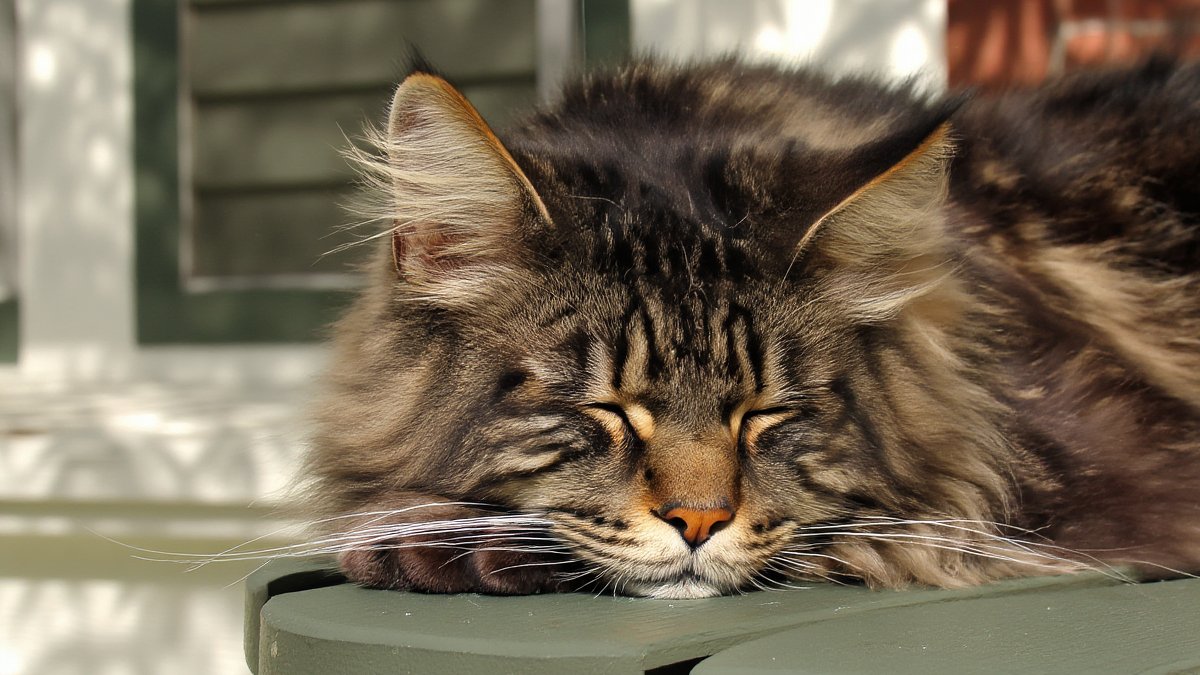
You may have noticed it before you even got home: your cat is moving through the house like she is wading through syrup. The food that was devoured at seven that morning sits untouched, the favorite window perch has been abandoned, and when you set down a treat, she looks up, sighs, and goes back to lying on her side. This is the scene almost every cat owner knows the day after vaccines — and it is the reason so many of them call the clinic that evening asking whether something has gone wrong. In the overwhelming majority of cases, nothing has. What you are seeing is a normal immune response doing exactly what it was designed to do: your cat's body is practicing for a threat that will never arrive. The trick is knowing which reactions belong on the "totally fine" list and which ones belong in a phone call. Here is both lists, how long each reaction typically lasts, and what to do at home while you wait it out.
The Normal Aftermath: What a Healthy Reaction Looks Like
A vaccine works by introducing an inactive or weakened version of a disease so the immune system can build defenses. That process is not silent — it generates inflammation, which is why cats react afterward. The classic set of post-vaccine side effects includes:
- Mild lethargy. A cat that normally greets you at the door may skip the greeting for a day or two and prefer horizontal positions. Sleepiness after vaccines is by far the most commonly reported reaction.
- Soreness where the shot went in. Most feline vaccines are given either under the chin or into a hind leg. The site can be tender to the touch for a few days, and your cat may flinch if you pick her up and bump it.
- A low-grade fever. A temperature a degree or two above normal is a standard part of the immune response and usually peaks within the first day.
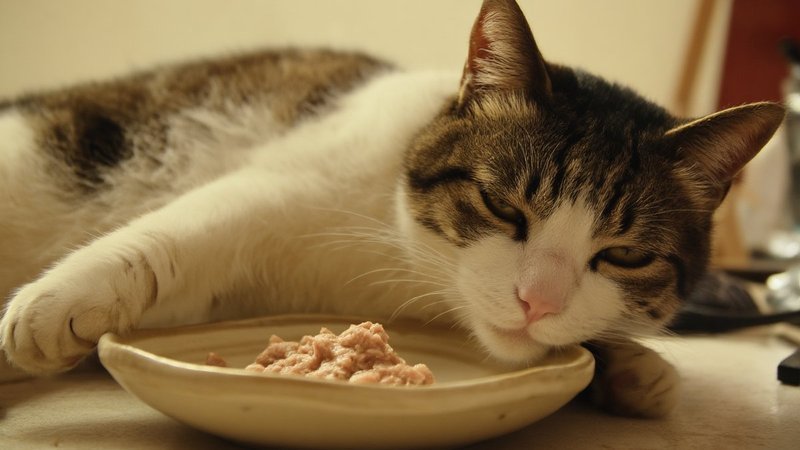
- Reduced appetite for a day or so. Many cats will graze less, and some skip a meal entirely. As long as water is still being drunk, one quiet day at the food bowl is unremarkable.
- General grumpiness. Ears back, tail twitch, refusal of pets — the cat version of "I feel like garbage, leave me alone."
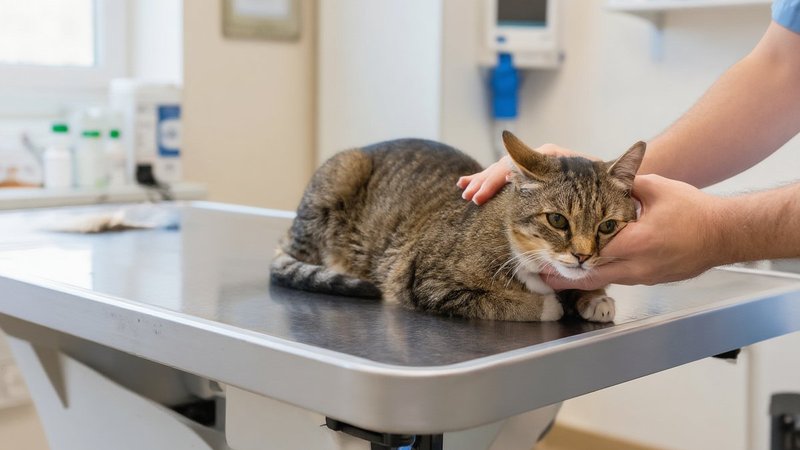
A Timeline: When Each Reaction Shows Up and Fades
Most owners do not need to watch the clock, but having a rough timeline makes it much easier to tell "normal" from "not normal." The pattern below is what you can generally expect:
| Reaction | Typical onset | Usual duration |
|---|---|---|
| Mild lethargy | Within hours of the visit | 12 to 48 hours |
| Injection-site soreness | First 24 hours | A few days, fading gradually |
| Low-grade fever | Day one | Usually under 48 hours |
| Reduced appetite | Day one | Mostly back within a day or two |
| Small firm lump at the site | Days to weeks | Needs watching — see red flags below |
If your cat is still noticeably off after about 72 hours, that is the point where "wait and see" turns into "make a call." Most practices will take a quick phone check-in for exactly this situation.
Red Flags That Mean Call the Vet
The reactions above are boring in the best possible way. A different set of signs points to a genuine adverse reaction, and these should not be managed at home:
- Facial swelling, hives, or wheezing in the first hour after the visit. This is an allergic reaction and it moves fast — go straight to your vet or the nearest emergency clinic, and call ahead so they know what you are seeing.
- Vomiting that repeats, or diarrhea that does not settle after a day. One heave is common enough to ignore; repeated vomiting is not.
- Collapse, difficulty breathing, or gums that look pale or bluish rather than pink. These are emergencies, full stop — the same rules apply as with any suspected cat emergency, and [[cat emergency symptoms|/blog/cat-emergency-symptoms/]] covers how to recognize them.
- An injection-site lump that keeps growing or is still there three weeks after the shot. Most small lumps resolve on their own, but a persistent one deserves imaging so the vet can rule out a vaccine-associated reaction. Three weeks is the standard line for "call about this."
- Fever that lingers beyond two days, or an appetite that has not come back by 48 hours.
- Limping on a vaccinated leg for more than two or three days, or swelling that spreads up the limb.
Own a Veterinary Clinic?
Enjoyed this article? Our editorial team researches, writes, and publishes professional features just like this one about clinics across the US. Get your practice in front of thousands of cat owners searching for a vet in your city.
Kittens vs Adults: Why Their Reactions Differ
Kittens and adult cats get different schedules, which shapes what you will see afterward. A kitten works through a series of FVRCP boosters spaced about three to four weeks apart from roughly six or seven weeks of age through sixteen weeks, plus rabies — so a single year can mean several visits and several rounds of the same mild side effects. The full sequence is broken down in kitten vaccination timeline. Kittens tend to be sleepier and fussier after each shot because their immune systems are still maturing, and new owners often report a kitten who is "a little different" for a day or two, usually within the normal range. An adult cat getting an annual or triennial booster — the interval depends on the vaccine and whether she is strictly indoor — typically reacts more mildly, sometimes not at all. If you are mapping out which shots your cat actually needs based on lifestyle and risk, cat vaccination schedule walks through the decisions, and what vaccines cost covers what each of those visits will run you.
What to Do at Home After the Shots
There is no special recovery protocol, but a few habits make the next couple of days smoother — for the cat and for your peace of mind:
- Set up a quiet, warm spot away from kids and other pets. A crate, a closet with a blanket, or just the back of the couch works; the goal is low stimulation.
- Skip the zoomies. Keep play gentle for 24 to 48 hours — no wrestling matches that drag her around by the legs.
- Put food and water within arm's reach of her resting spot. Do not force-feed; offer her favorite food and let appetite come back on its own schedule.
- Check the injection site once a day, gently. Note whether it is flat, slightly raised, or firm, and jot down what you see so you can describe it accurately if you do end up calling.
- Never give human pain relievers. Ibuprofen, acetaminophen, and most over-the-counter medications are toxic to cats — there is no safe home dose of any of them.
How the Vet Visit Itself Handles Reactions
Part of why post-vaccine reactions are so safely managed is that they are anticipated. A good practice reviews your cat's history before choosing vaccines, notes any previous reactions in the record, and keeps the cat for a short observation period after the shots — which is exactly where immediate allergic reactions would show up, while epinephrine and other emergency medications are on hand. You will also leave with specifics: which vaccines were given, where they went in, and what to watch for over the next 48 hours. If a reaction does develop at home, that record is what speeds things up on the phone — "FVRCP in the left hind leg yesterday, now a firm lump" gets you a concrete answer instead of a generic one. On the cost side, the visit itself and each vaccine are separate line items; what a vet visit costs breaks down typical numbers so a post-vaccine check-in call or follow-up appointment does not surprise you.
What This Looks Like in Practice: Temecula Valley Veterinary, Temecula, CA
Temecula Valley Veterinary
34174 De Portola Road, Temecula, CA, 92592
Phone: (951) 309-0201
⭐ 4.8 (20 reviews)
As a worked example: Temecula Valley Veterinary at 34174 De Portola Road in Temecula, California holds a 4.8-star rating across 20 local reviews, and the kind of question this post is answering shows up regularly in practices like it — an owner calling two days after a booster to ask about a small firm lump under the cat's chin, or a new kitten owner reporting that the first meal was skipped. The practical value of a nearby practice with established ratings is exactly that: a phone check-in gets handled by people who have seen this week's batch of post-vaccine cats, so you get "that is normal, recheck if it is still there in ten days" rather than guessing from forums. You can reach the clinic at (951) 309-0201, and Temecula owners can compare all 22 local practices on the cat vets in Temecula listing before committing to a regular.
If You Only Read One Section
Mild lethargy, injection-site soreness, a low fever, and a quiet day at the food bowl are normal for up to about 48 hours after vaccines — keep her warm, quiet, and fed, and skip human painkillers entirely. Facial swelling, hives, repeated vomiting, trouble breathing, or an injection-site lump still present three weeks later are not: those get a call, immediately in the first case and within days in the second. When in doubt, the vet's phone line exists for exactly this.
More Cat Health Guides
This article is editorial content produced by the CatVetFinder team. Clinic details are drawn from public listings and may change — always confirm hours and services with the clinic directly.