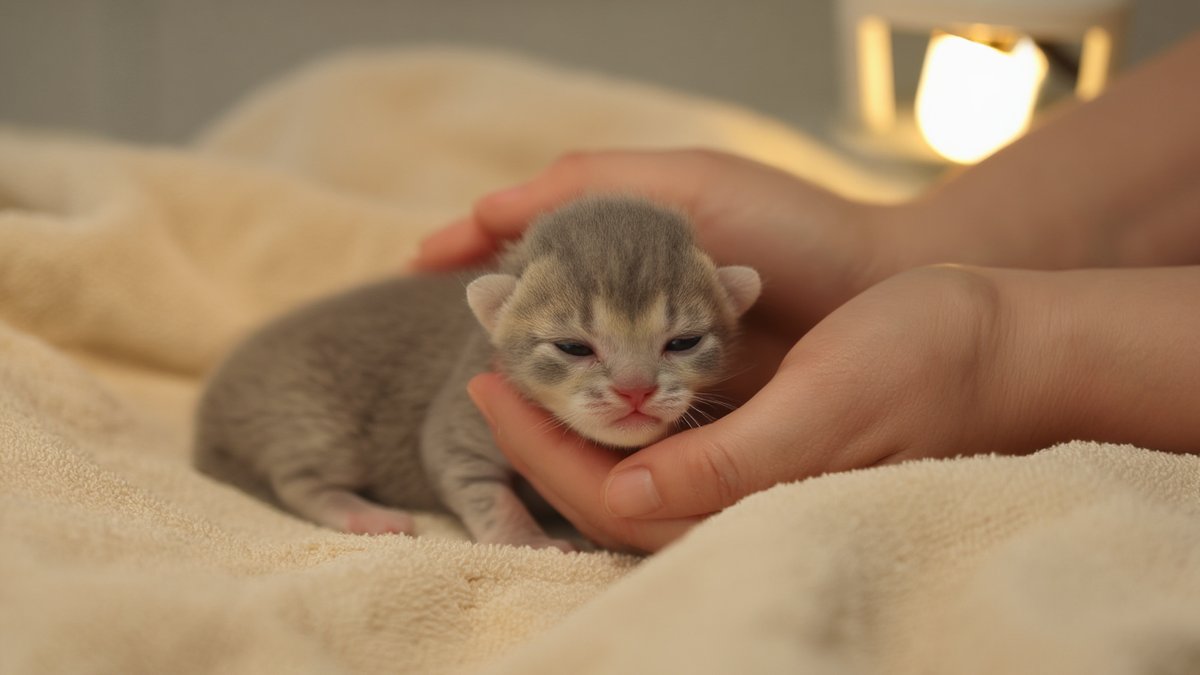
Foster volunteers and people bottle-raising a litter all learn the same hard lesson: kittens do not fade slowly. A kitten who was wiggly and rooting at the bottle yesterday can be cold, limp, and refusing food by tonight. "Fading kitten syndrome" is the catch-all name for this crash — not one disease, but the final common path of many problems hitting a body too small to buffer them.
The good news is that fading is often reversible, but only if you recognize it early and act within hours, not days. This guide walks through the signs in the order they usually appear, what to do in the first thirty minutes, and what a veterinarian will look for.
The Daily Habits That Catch Fading Early
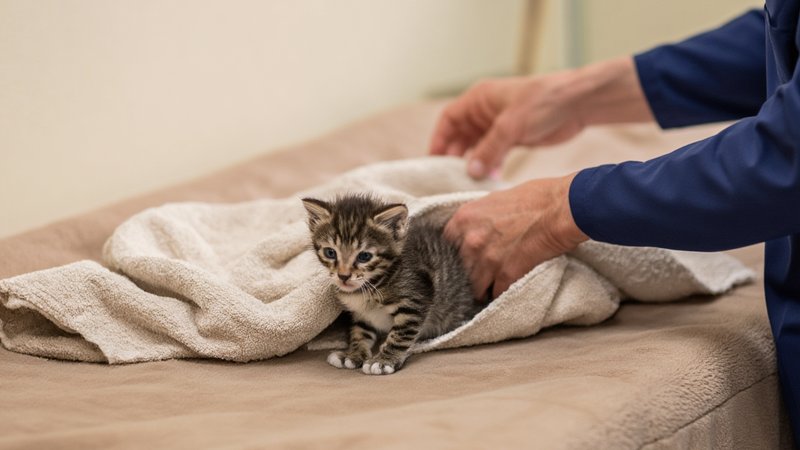
Every experienced foster runs the same three checks daily, and they work because they catch trouble while the kitten still looks normal. Weigh every kitten at the same time each day and write the number down — a digital kitchen scale reads grams accurately. A flat line on the chart is the first alarm, one to two days before any visual change. Second, watch the finish of every feed: a healthy kitten roots eagerly, suckles hard, and falls asleep with a rounded belly. A kitten who has to be coaxed onto the nipple, mouths without swallowing, or cries after eating is in trouble. Third, look at color and posture — pink gums, a relaxed curl, and steady breathing are the normal picture; pale gums, a hunched or flat-on-side posture, or labored effort are not.
The Big Three Killers: Cold, Sugar, and Water Loss
Almost every fading kitten crashes through the same trio, which is why first aid targets them in order. Hypothermia comes first because chilling shuts down digestion — a cold kitten cannot absorb what you feed it, and milk pooling in a shut-down gut causes the bloating foster volunteers dread. Low blood sugar follows within hours of any kitten that stops eating; weakness, twitching, and limpness are the signs, and a dab of glucose or sugar syrup on the gums buys time while you travel. Dehydration rounds it out — sunken eyes, dry gums, and skin that tents instead of snapping back. Rehydration fluids, warmers, and supportive feeding are standard clinic tools for exactly this presentation.
What the Veterinarian Will Check
Expect a focused workup: temperature, hydration status, blood glucose, a fecal test for parasites (roundworms and coccidia are common in kittens and can drag a whole litter down), and an exam for birth defects — cleft palate, heart problems, and gut malformations all present as a kitten who never quite thrives. Blood work can reveal neonatal isoerythrolysis, the condition where a mother's antibodies attack a kitten's red blood cells and cause sudden anemia. Imaging is reserved for cases that do not explain themselves. Bring your weight log — the day-by-day trend is genuinely diagnostic, and vets ask for it constantly because it turns "this kitten seems off" into a precise timeline.
The Cat Hospital
4716B Lincoln Blvd, Marina del Rey, CA, 90292
Phone: (310) 773-9286
⭐ 4.6
What This Looks Like in Practice: The Cat Hospital
Say you are bottle-raising a rescued litter near Marina del Rey, California, and day three's weigh-in shows your gray kitten flat at 285 grams. At The Cat Hospital (4.6 stars from 71 reviews, 4716B Lincoln Blvd, Marina del Rey) — a cat-only practice, which matters for a fragile kitten because there are no barking dogs in the lobby — the routine is exactly the sequence above: warm first, glucose on the gums, then fluids, a fecal test, and a feeding plan. A cat-focused clinic like this sees underweight kittens constantly during spring and summer kitten season and can tell you within one visit whether you are dealing with a fixable crash or something structural. The CatVetFinder listings for Marina del Rey show other nearby clinics with kitten experience if you are choosing a regular practice for your litter.
Prevention: The Five Things That Keep a Litter Out of Trouble
- Keep the nest warm, not hot: a solid heat source over part of the enclosure, bedding the kittens can move on and off, and a thermostat you actually check. Chilling is involved in the majority of crashing litters.
- Weigh daily, write it down, and act on a flat day — not a bad week. The scale is the earliest and most honest instrument you own.
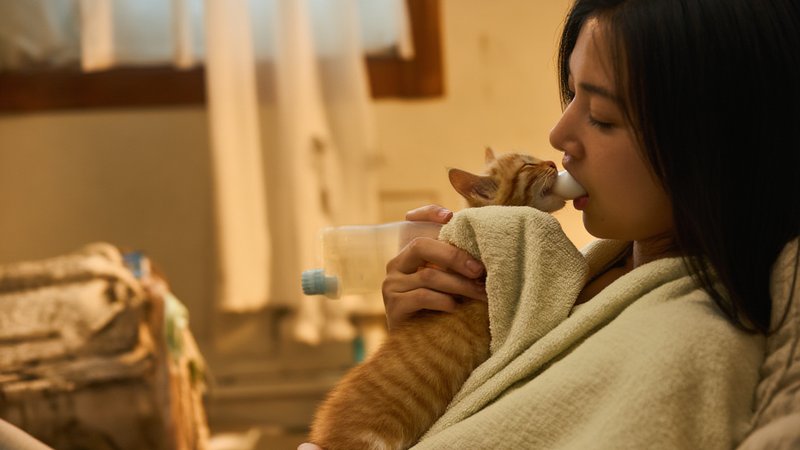
- Feed on schedule with kitten milk replacer, warmed and freshly mixed. Cow milk causes diarrhea and dehydration, and cold formula chills from the inside.
- Keep the mother well-fed and examined too — mastitis, illness, or poor milk supply quietly starves an entire litter while everyone watches the kittens.
- Stimulate elimination after each feed (a warm, damp cloth mimics the mother's tongue) and keep bedding dry and clean; dirty bottoms and diarrhea are both a symptom and an accelerant.
Own a Veterinary Clinic?
Enjoyed this article? Our editorial team researches, writes, and publishes professional features just like this one about clinics across the US. Get your practice in front of thousands of cat owners searching for a vet in your city.
The bottom line: fading kitten syndrome rewards preparation, not panic. A scale, a written weight chart, a reliable heat source, and the phone number of a clinic that sees kittens are the whole toolkit. The moment weight stalls or a kitten stops nursing with intent, warm-and-go — you can troubleshoot from the car. Related reading: kitten diarrhea and when to worry covers the gut side of kitten crashes, kitten growth and weight milestones gives the week-by-week targets your scale numbers should hit, and the 3-3-3 adjustment timeline for adopted cats picks up the story once a rescued kitten is stable and heading home.
This article is editorial content produced by the CatVetFinder team. Clinic details are drawn from public listings and may change — always confirm hours and services with the clinic directly.