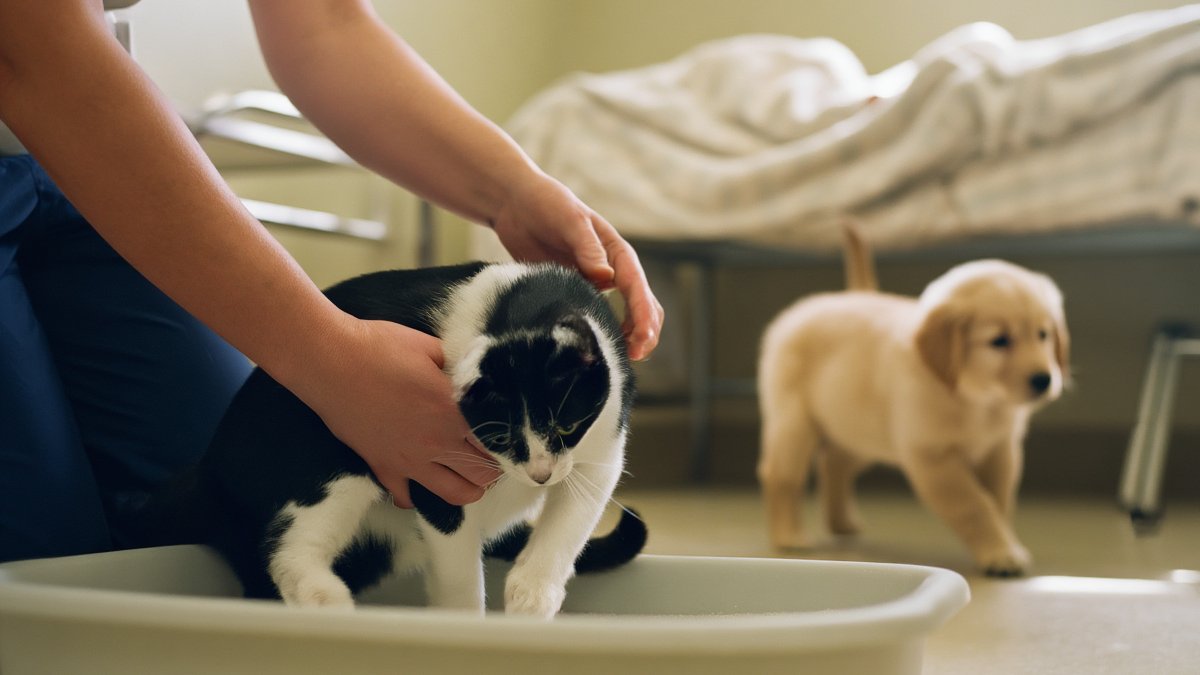
Here is the good news that surprises first-time kitten owners: you do not really "litter train" a kitten the way you house-train a puppy. Following their mother is the feline default, and kittens as young as three to four weeks already arrive with the program half-installed — dig, eliminate, cover. That is why almost every litter-training problem traces back not to a stubborn kitten but to a setup that fails the kitten's side of the bargain: a box with walls too tall for eight-week-old legs, a litter texture that feels wrong under paws, a box parked next to the roaring washing machine. Get the setup right and most kittens train themselves within days. This guide walks the week-one plan — box choice, litter choice, placement, and the routine that cements the habit — then covers the handful of misses that cause the accidents everyone posts about.
The Week-One Setup Checklist
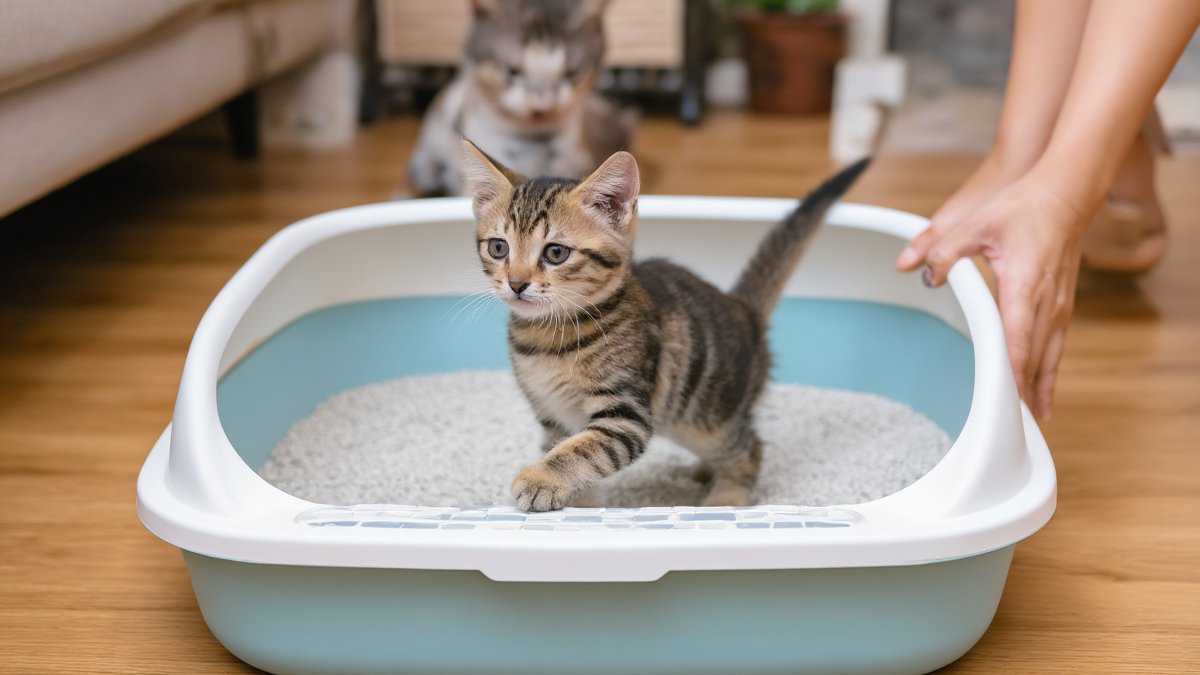
- Right-size the box. For kittens under twelve weeks, the box walls should be low enough to step over easily — a shallow storage-container "trainee box" or an entry-level litter pan beats a tall-sided adult model. You can upgrade to the tall decorative box later.
- Pick an unscented, fine, clumping-or-not litter. Kittens tend to prefer fine, unscented litter, and very young kittens mouth their environment — many vets suggest a non-clumping litter until roughly twelve weeks because clumping litter swallowed while grooming can cause intestinal blockage. Unscented wins over perfumed every time.
- Fill it two to three inches deep. More is not better; deep litter is hard to dig in and some kittens treat a deep pile like a sand dune to play in rather than a toilet.
- Place the box where the kitten can always reach it. One box per floor of a small home, none next to noisy appliances, none at the far end of a labyrinth. A kitten with a full bladder does not plan a commute.
- Sequester smartly at first. In the first days, confining the kitten to one room with food, water, bed, and the box lets the habit form fast, then expands territory as reliability grows.
- Take them after the triggers. Place the kitten in the box after waking, after eating, and after vigorous play — the three reliable eliminations windows in a kitten's day. Do not scrub their paws in the litter; a few gentle digging motions are plenty.
Timing: When to Start and How Fast It Goes
Kittens raised with a mother cat typically start using litter around three to four weeks, copying her; a kitten adopted at eight to twelve weeks is developmentally primed and usually reliable within a week of good setup. A kitten younger than eight weeks — say, a bottle-baby you are raising — needs hands-on help: after each feeding, place the kitten in the box and gently simulate the digging motion; with orphan-raised kittens this mimicry replaces the mother's demonstration, and it works. Expect near-misses early and handle them correctly: never punish, never rub a nose in it — a kitten punished near the box learns the box itself is dangerous, which manufactures the exact problem you were trying to avoid. Clean accidents with an enzymatic cleaner so no odor memory remains, and put the "accident evidence" briefly in the box; the scent of their own waste marks the correct deposit location more persuasively than anything you can explain.
Own a Veterinary Clinic?
Enjoyed this article? Our editorial team researches, writes, and publishes professional features just like this one about clinics across the US. Get your practice in front of thousands of cat owners searching for a vet in your city.
When Accidents Continue: The Five Usual Suspects
If a kitten who was using the box starts missing, run down this list before assuming a behavioral problem. First, box logistics: dirty box (scooping once a day minimum for kittens), a recent litter change, a relocated box, or a new cat in the home competing for it. Second, accessibility: a growing kitten in a bigger house may simply be too far from any box — add one rather than training harder. Third, age-related forgetting: very young kittens regress under stress and re-stabilize in days. Fourth, medical: diarrhea, worms, and urinary infections all cause urgency accidents — kitten diarrhea in particular undermines training because the kitten genuinely cannot wait, which is a health visit, not a training issue. Fifth, surface preference: some kittens fixate on a texture (a bath mat, a soft bed) that beats your litter in their opinion; swap the litter brand or texture and the fixation usually resolves. Rule out the medical category first whenever the accidents come with soft stool, straining, frequent small pees, or blood.
A Worked Example: Penobscot Veterinary Hospital: Buckley Laura DVM, Bangor, ME
Penobscot Veterinary Hospital: Buckley Laura DVM
411 Davis Rd, Bangor, ME, 04401
Phone: (207) 947-6783
⭐ 5.0
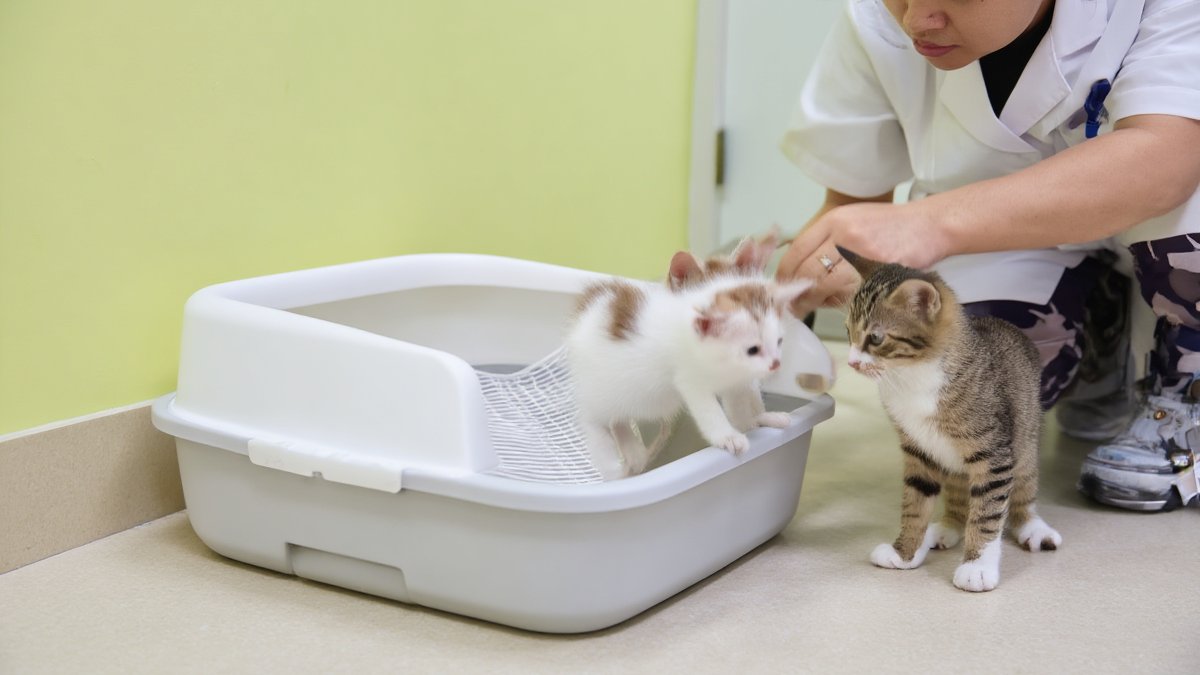
First kitten visits and litter questions travel together, and Bangor owners have a highly rated local option in Penobscot Veterinary Hospital on Davis Road — a 5.0-star practice where new-kitten appointments cover the full first-year picture: the vaccine series, deworming, a fecal test (which matters for training more than people expect), and the spay/neuter timeline. Call (207) 947-6783 and mention the kitten's age and any elimination issues when booking; if accidents are already happening, they will likely schedule the fecal test in the same visit rather than have you make two trips. Owners comparing practices across the region can browse the cat vets in Bangor, ME listing to see which nearby clinics take new kitten patients.
The Takeaway
Litter training a kitten is ninety percent geometry and ten percent routine: a low-sided box, unscented litter two inches deep, a quiet nearby location, and a kitten placed in it after meals and naps. Most kittens trained that way are reliable inside a week, and the ones who are not usually have a fixable reason on the five-suspect list — box hygiene, access, regression, a medical cause, or a texture dispute. Skip the punishment entirely, clean misses with enzyme cleaner, and treat sudden regression with soft stool or straining as a vet call, not a behavior problem. Get the first two weeks right and the habit you build holds for the next nineteen years.
This article is editorial content produced by the CatVetFinder team. Clinic details are drawn from public listings and may change — always confirm hours and services with the clinic directly.