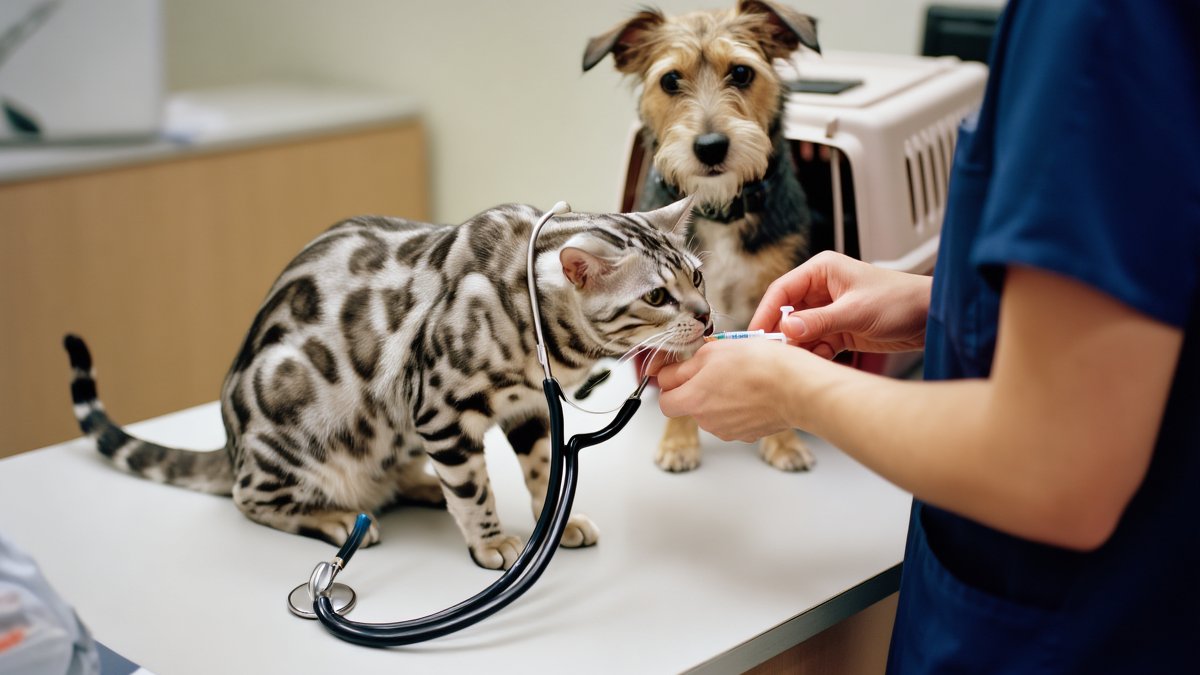
A course of antibiotics or a twice-daily thyroid pill sounds simple at the vet’s office and becomes a two-person wrestling match at home — by day three, the cat hides when you open the fridge, and you both dread the moment. The good news is that pilling a cat is a skill, not a personality test: a calm setup, the right hold, and a couple of tricks cover almost every cat and almost every medication form.
Start with the checklist below, then read the details behind each step and what to try when a cat refuses everything. The one universal rule before any of it: confirm with your vet that the medicine can be handled the way you plan — some pills should never be crushed or split, and some cannot ride in food at all.
The Quick Checklist
- Prepare everything first: pill or syringe drawn up, a treat ready, a damp cloth nearby, and the room quiet. Cats read a scrambled setup as an ambush.
- Choose one person, one position. Sitting with the cat facing away from you — tucked against your body — beats chase-and-pin every time.
- For a pill: one hand over the head, tilt the nose gently up about 45 degrees; the jaw relaxes when the nose points up.
- Press the lower jaw down with your thumb or use a pill popper, place the pill as far back on the tongue as you can reach, close the mouth, and hold it briefly.
- Immediately run a finger under the chin or blow softly at the nose — the lick-swallow reflex triggers reliably.
- Follow with the treat and a syringe of water or broth if the vet allows it; this both rewards and washes the pill down, protecting the esophagus.
- For liquid medicine: insert the syringe into the cheek pocket between the molars and cheek, not straight at the front teeth, and dribble slowly — never squirt.
- Log every dose. Twice-daily schedules fail in practice because nobody can remember whether the morning dose happened.
The Towel Wrap: Your Best Tool
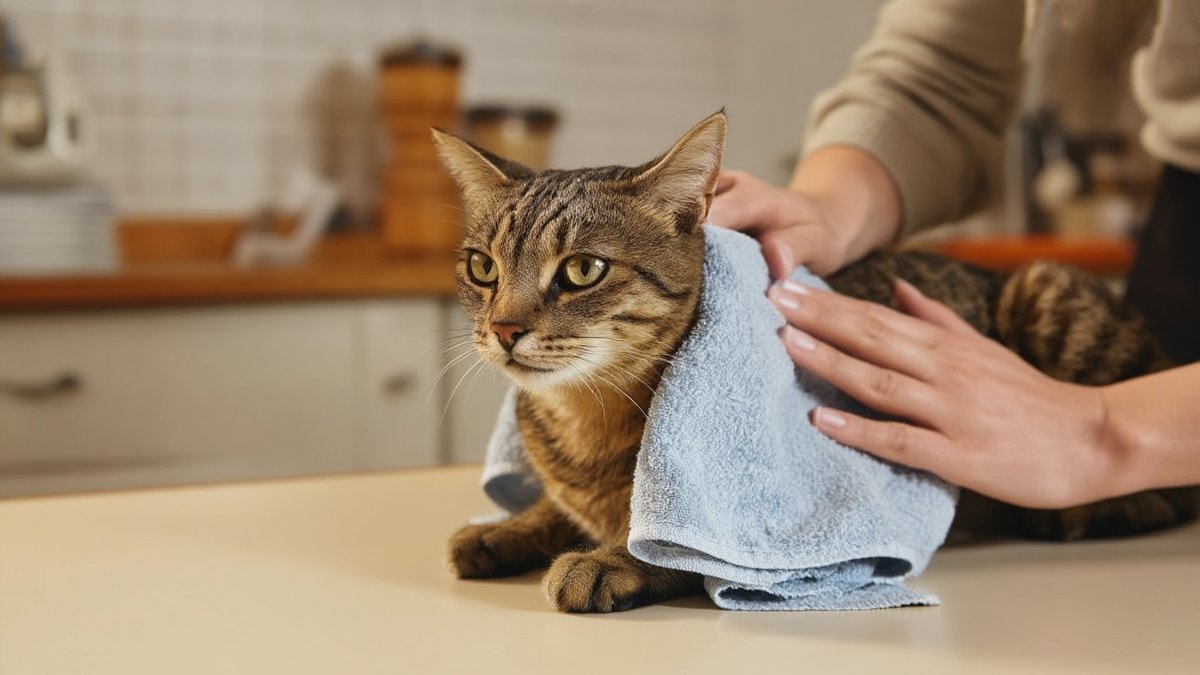
The purrito is not a meme — it is genuinely the most humane restraint for medication-resistant cats. Lay a bath towel flat, set the cat on it facing away from you with only the head out, then fold one side over the body, then the other, tucking the paws inside. A cat that cannot feel claws flailing against your arms relaxes faster than a cat being held down, and your own hands stay free for the syringe or the pill. Practice the wrap once with no medicine involved, ending in a treat, so the towel does not become a warning sign on sight.
Hiding Pills in Food: What Actually Works
Food-hiding works for some cats and fails spectacularly for others, because cats detect bitterness and texture with impressive precision. Pill pockets, a pea-sized ball of cream cheese or butter, or a bit of soft food wrapped around the pill all work — until the cat finds the first pill and distrusts the wrapper forever. Two habits improve the odds: give a plain treat ball first, then the wrapped pill, then another plain one, so the experience blurs together; and confirm with the vet that the specific drug tolerates food or moisture, since some medications lose potency or turn dangerous when dissolved.
Liquid Medicine: The Cheek Pocket Method
Own a Veterinary Clinic?
Enjoyed this article? Our editorial team researches, writes, and publishes professional features just like this one about clinics across the US. Get your practice in front of thousands of cat owners searching for a vet in your city.
Liquids are usually easier than pills when done right, and harder when done wrong. Aim the syringe into the side of the mouth — the gap behind the big canine teeth — and deliver a small dribble, letting the cat swallow between pushes. Squirt straight at the back of the throat risks inhalation, and dumping it all at once guarantees a soaked, furious cat. If the medicine is foul-tasting and the cat fights every dose, ask the vet about flavoring or compounding into a tuna- or chicken-flavored suspension; pharmacies that compound pet medications turn many failed regimens into easy ones.
When Nothing Works
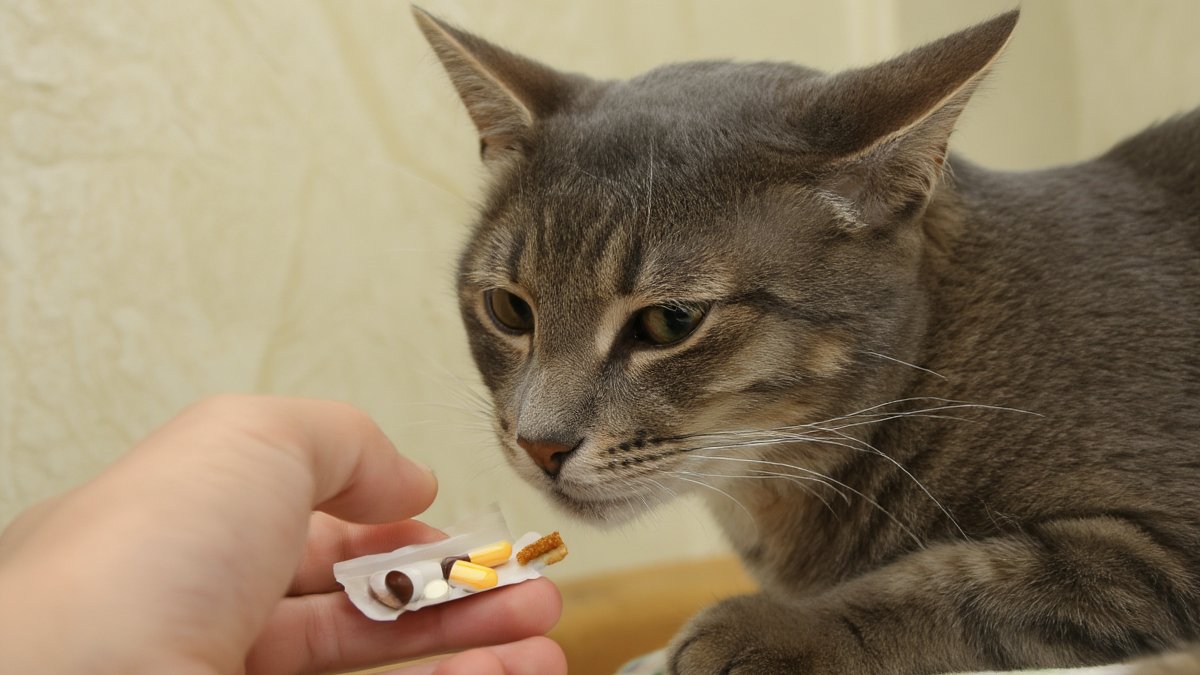
If the cat has learned to dread the process — hiding at the sight of the bottle, growling, or biting — stop forcing doses and call the vet. Options exist that owners rarely know about: transdermal gels rubbed into the ear (used widely for thyroid medication), long-acting injections that replace ten days of pills, and compounded flavors matched to the individual cat. A regimen the cat tolerates treats the disease; a regimen the cat defeats does not, and the fight damages your relationship with the cat along the way.
A Worked Example: Where Medication Questions Meet a Vet Near Franklin, Wisconsin
Medication-form conversations are exactly the kind of small question a good clinic answers well. Near Milwaukee, Brook-Falls Veterinary Hospital on West Lincoln Avenue, rated 4.9 by pet owners, practices fear-free style handling and can walk through pill versus liquid versus transdermal options for a specific cat’s temperament. Owners in the Milwaukee metro can compare practices in the cat vets in Franklin, WI listing.
Brook-Falls Veterinary Hospital
8300 W Lincoln Ave, Franklin, WI, 53214
Phone: (262) 781-5277
⭐ 4.9
Questions About Giving Cats Medicine
Medication time goes easier on a cat that trusts the household routine — litter box setup guide covers the environment side of low-stress homes, and if medicine has made your cat skittish about being touched, why cats bite when petted explains how overstimulation builds and how to reset it. For cats whose medicine causes upset stomach, cat vomiting when to worry separates the harmless from the concerning.
This article is editorial content produced by the CatVetFinder team. Clinic details are drawn from public listings and may change — always confirm hours and services with the clinic directly.