Most litter box problems are not behavior problems. They are setup problems that eventually look like behavior problems. A cat who picks a new surface every couple of weeks, hesitates at the box entrance, or kicks half the litter onto the floor is usually reacting to a box that was never configured for a cat in the first place — it was configured for the human buying it. The good news is that the correct setup costs almost nothing to adopt, and adopting it early prevents the avoidance habits that are genuinely hard to undo later.
This is a first-week, first-principles checklist: what to buy, where it goes, how full it should be, and which of the popular conveniences quietly work against you. If you are past the setup stage and the accidents have already started, the medical-and-recovery checklist is a different article — but even then, the configuration below is the target you are rebuilding toward.
The Setup Checklist: Eight Decisions, Made Once
- Box count: one box per cat, plus one. Two cats means three boxes. Households that "get by" on fewer are the ones that come apart the week a new cat, a move, or a schedule change tips the balance.
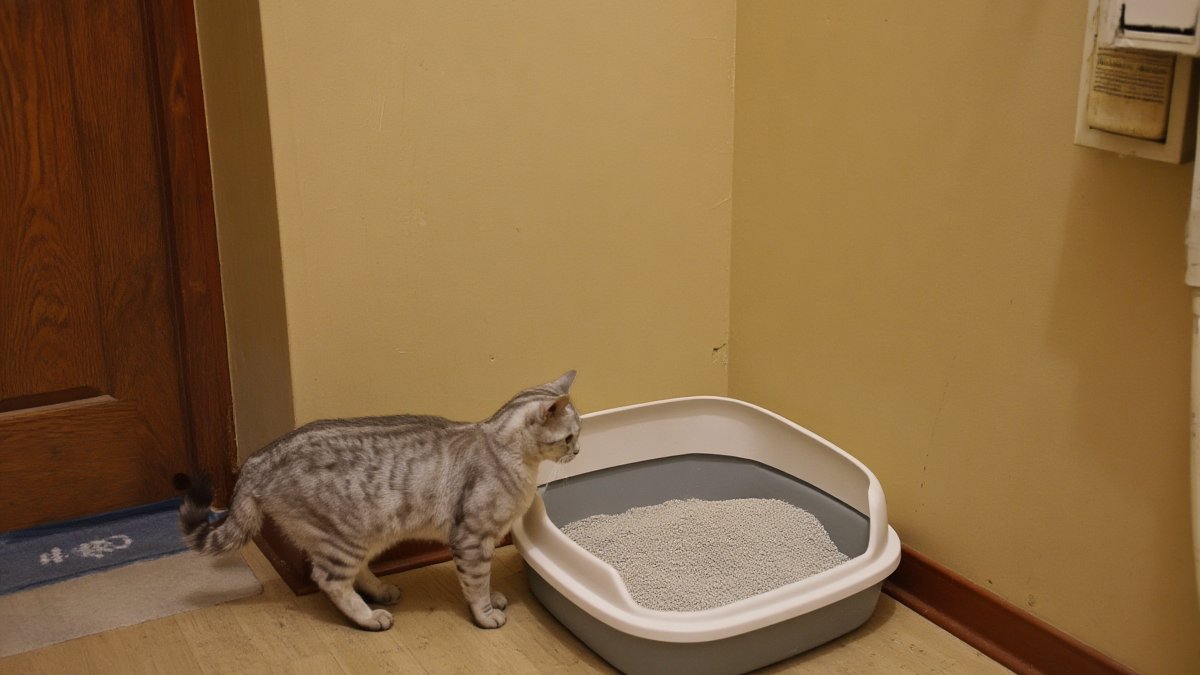
- Box size: bigger than you think. The cat should be able to turn a full circle without touching a wall. Many commercial boxes — especially the hooded ones — fail this test for any cat over ten pounds. A large storage tote with a cut-down entry is a perfectly respectable box.
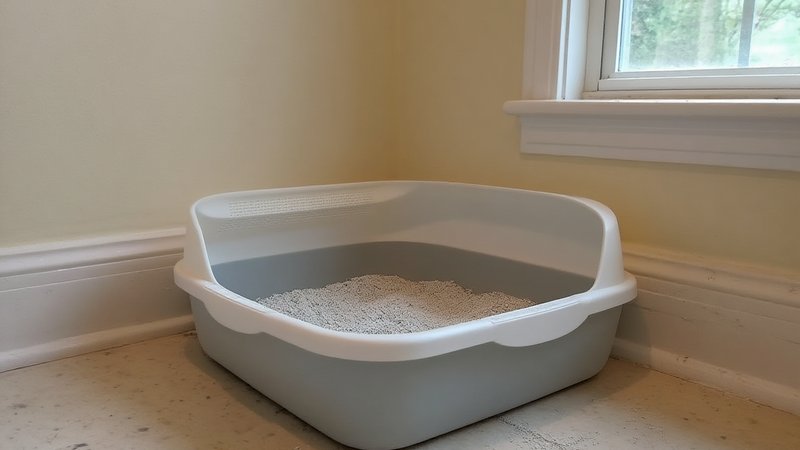
- Covered vs open: open. Hoods exist for people, not cats. They trap odor at nose height inside the box, block the sightline cats use to confirm no one is creeping up on them, and are statistically cleaned less because the mess stays out of view.
- Litter type: unscented, fine, clumping. Preference studies keep landing on the same answer. Skip perfumed formulas — what reads as "fresh linen" to you reads as an overwhelming chemical signature to a nose two hundred times more sensitive.
- Litter depth: two to three inches. Deep fill encourages digging-as-recreation; shallow fill leaves nothing to bury and some cats refuse to cover at all.
- Placement: quiet, but not abandoned. One box per floor of the home, in rooms people actually occupy, away from food and water, and nowhere near a washing machine, furnace, or anything that starts loudly on its own.
- Scooping rhythm: once a day, minimum, with a full dump-and-wash every few weeks using unscented soap. This is the single highest-leverage item on the list.
- Entry height: low for kittens, seniors, and any cat with arthritis history. The hop that is trivial at three years old is the reason a twelve-year-old starts looking at the bath mat.
Why the Obvious Answers (Deodorizers, Hoods, Tiny Boxes) Backfire
Almost every product marketed to make litter boxes more pleasant is aimed at the wrong nose. Scented litters, deodorizing sprays, and heavily fragranced cleaners all sit in the box and in the cat's airway for hours at a time. A cat who holds it, perches on the rim, or exits mid-squat is often not being difficult — she is trying to spend as little time as possible inside something that smells wrong to her. Meanwhile the human smell complaints keep coming, because fragrance layered over waste does not remove it.
The hooded box deserves a special word because it is the most common regret purchase. The failure mode is invisible: the cat who dislikes the hood cannot tell you, so she simply starts using the carpet in a room with better visibility. By the time the pattern is established, the box itself is nearly irrelevant — you are treating an avoidance habit, not choosing a lid. If a hood is non-negotiable in your household, at least run one open box alongside it so a preference problem has somewhere to go besides the closet floor.
Own a Veterinary Clinic?
Enjoyed this article? Our editorial team researches, writes, and publishes professional features just like this one about clinics across the US. Get your practice in front of thousands of cat owners searching for a vet in your city.
Where to Put the Boxes (and Where Never To)
Placement fails in two opposite directions. The first is the banished box: pushed into a basement corner, a garage, or a windowless bathroom far from daily life. Cats are not motivated to trek to the far end of the territory any more than you would be. The second is the ambushed box: technically convenient, but positioned where the dryer slams, where a hallway funnel lets a housemate block the exit, or where the dog has learned that litter time means snack time. From the cat's point of view, both failures are identical — the box is not safe at the moment she is most vulnerable.
The sweet spot is a spot a human would describe as boring: an open-ended bathroom, a hallway with two exits, a corner of a living room that no one fights over. If you are choosing between privacy and sightlines, cats consistently prefer sightlines.
Kitten Setup, Senior Setup, and the In-Between
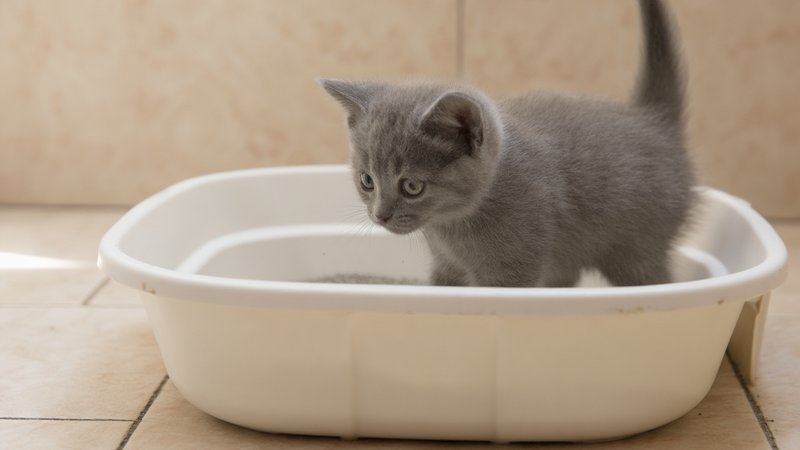
Kittens need shallow depth, low entry, and — for the first months — clumping litter withheld or closely supervised, because a kitten who tastes clumping litter can end up with an intestinal blockage. Seniors often need a second wave of changes years after the first setup was perfect: a lower entry wall, a box on a previously box-free floor because the stairs became hard, and more frequent scooping as kidney changes increase output. A setup that was ideal at adoption is not automatically ideal at eleven. Re-audit it every few years, and after any arthritis diagnosis.
A Worked Example: The Pets I Love Veterinary Hospital, Monroe, NY
A wellness exam is the natural moment to get a second opinion on your setup, because a vet can check the physical side of the ledger — the arthritic hips, the early bladder irritation, the stool quality an owner never sees — in the same visit. The Pets I Love Veterinary Hospital on Spring Street in Monroe, New York, rated 4.7 stars across nearly 200 owner reviews, is a full-service practice where that conversation is part of routine care: an exam that puts hands on the hips and spine of a senior cat, a look at what the litter has been showing you, and setup advice calibrated to your actual home rather than a brochure. Reviews describe the kind of unhurried appointments where bringing three questions about litter texture is treated as normal, not a waste of clinic time.
The Pets I Love Veterinary Hospital
200 Spring St, Monroe, NY, 10950
Phone: (845) 395-9200
⭐ 4.7 (197 reviews)
That combination matters more than it sounds. Setup advice given without an exam can miss the very condition that made the setup look broken — and an exam without the setup conversation misses the half of the problem that lives in your hallway, not on the exam table.
The Habits That Keep a Good Setup Good
The checklist is not a one-and-done; three small habits protect it. Change nothing abruptly: any litter swap should happen over a week with a parallel box, because the cold-switch is how perfectly good setups are destroyed. Clean accidents with an enzymatic cleaner rather than detergent, since residual proteins read as a toilet to the cat. And keep a rough mental log — which box gets used, how the clumps look, whether the digging is normal. Every serious feline illness announces itself first in the litter, and the owner who notices early is the one whose cat gets treated early.
Questions Cat Owners Ask About Litter Box Setup
If the box is set up correctly and your cat still refuses it, the next stop is medical — why cats stop using the litter box walks through that side of the ledger, and the common signs of kidney disease and why cats urinate blood cover the emergencies that announce themselves in the box. For the social side of a multi-cat setup, the step-by-step guide to introducing a new cat to a resident cat pairs directly with this one.
This article is editorial content produced by the CatVetFinder team. Clinic details are drawn from public listings and may change — always confirm hours and services with the clinic directly.